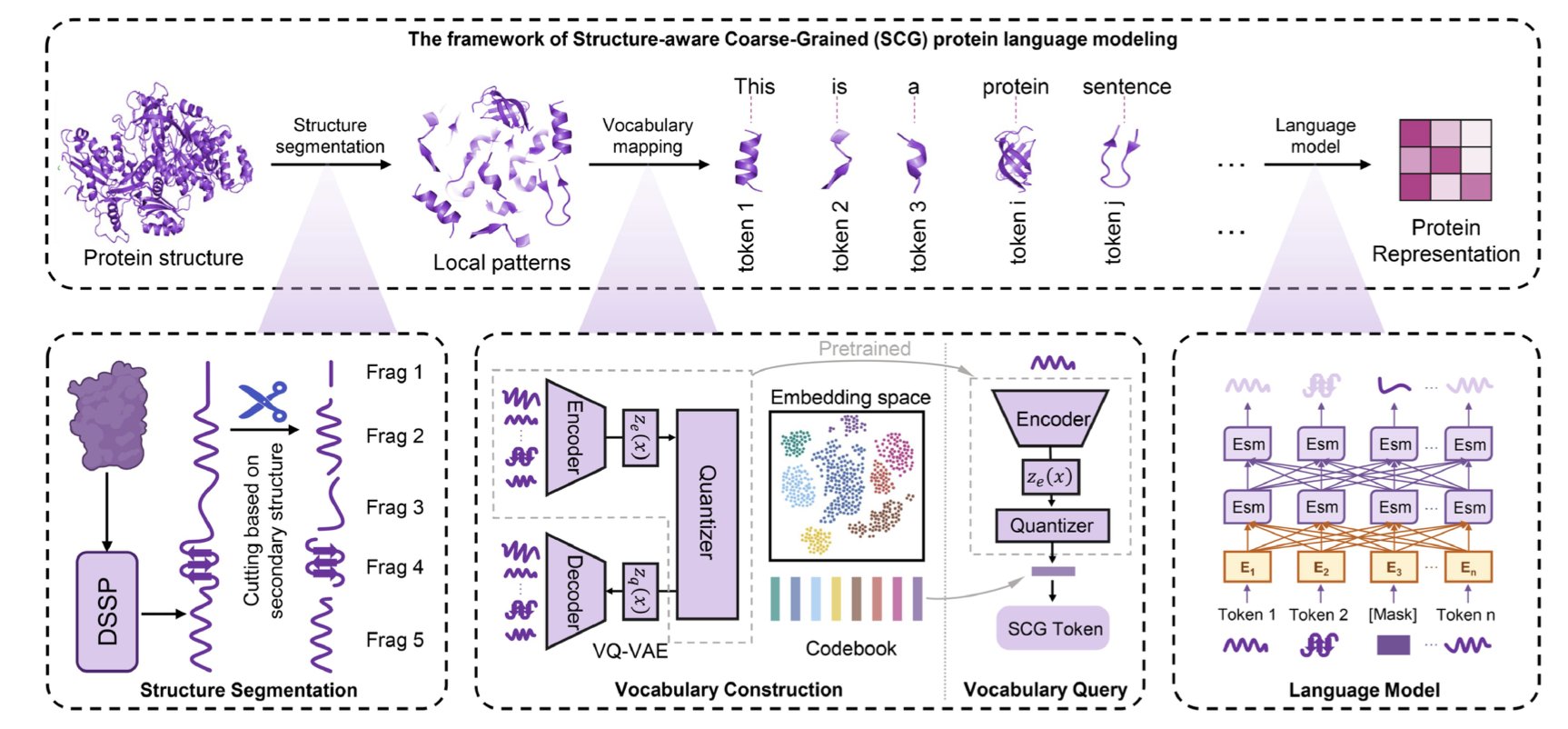
Can We Cure AI’s ‘Amnesia’ with Large Proteins?
Protein Language Models
Coarse-Grained Modeling
Secondary Structure
Large Proteins
Computational Drug Discovery
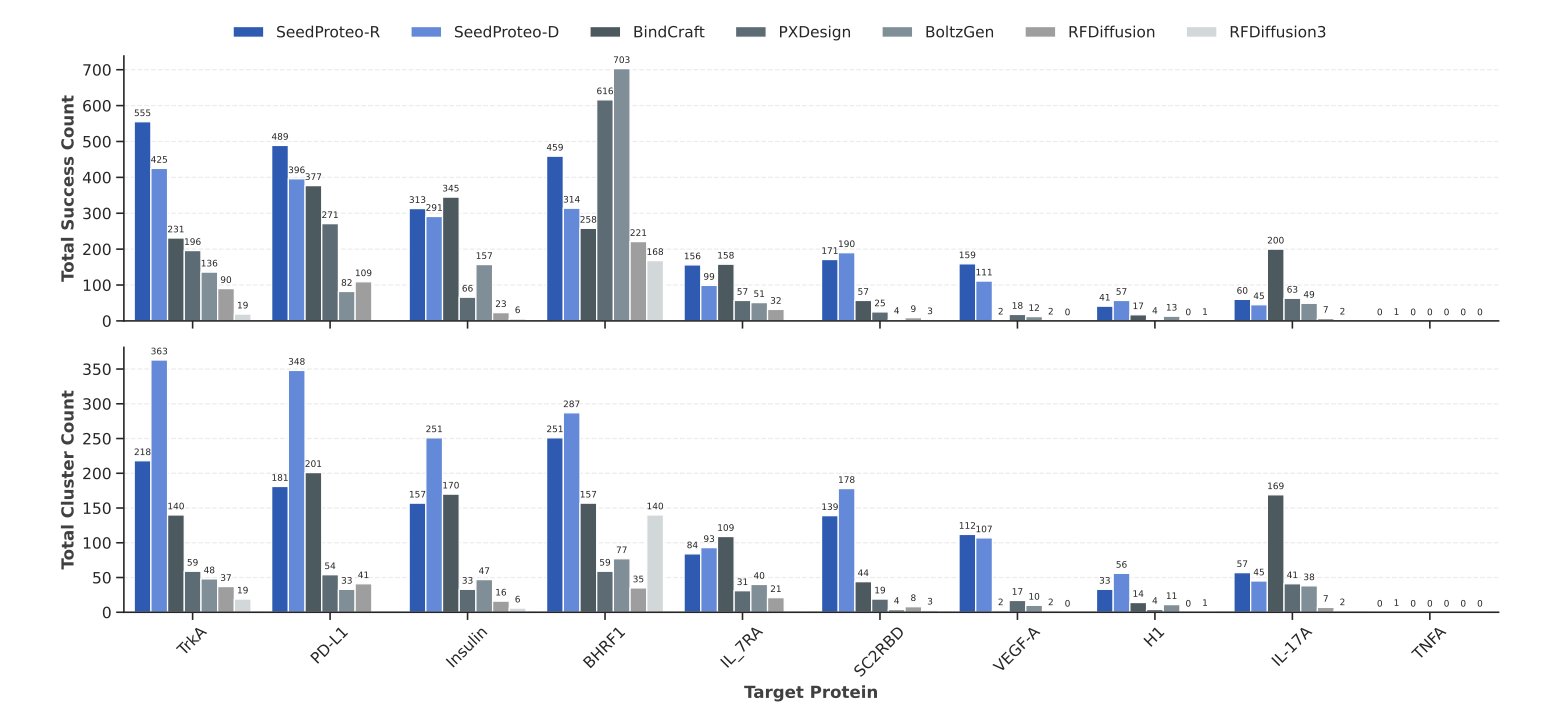
SeedProteo: Reverse-Engineering AlphaFold3 to Design New Proteins
Protein Design
Diffusion Models
SeedProteo
AlphaFold3
Drug Discovery
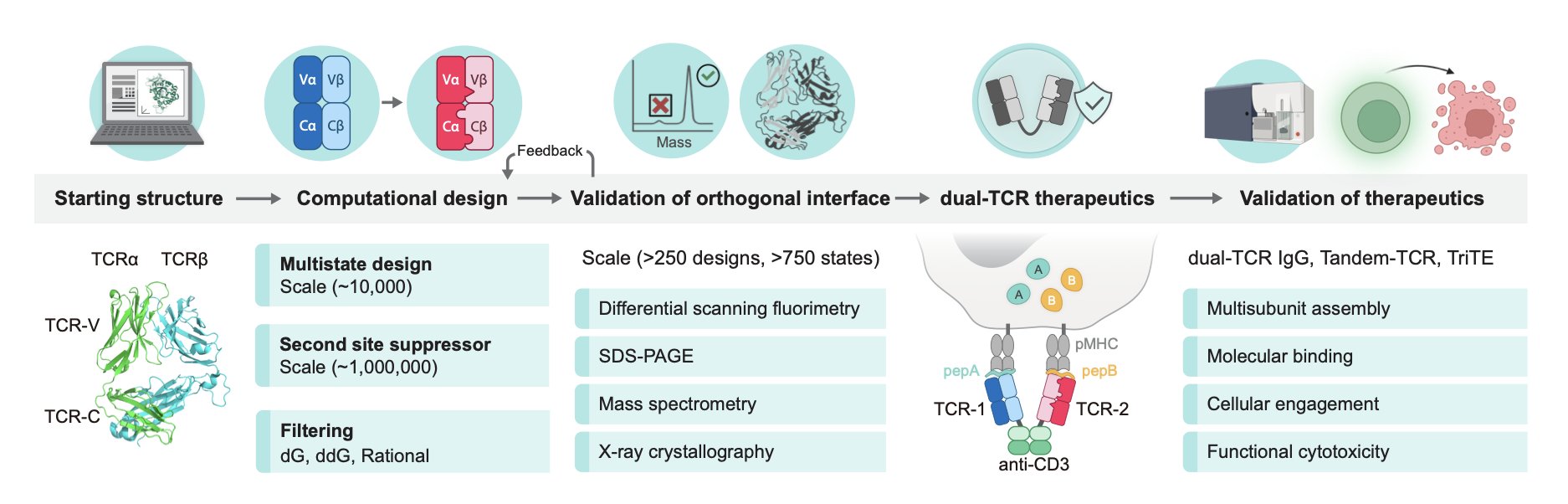
Biggest Hurdle for Dual TCR Therapy Solved? Computational Design Creates ‘Orthogonal’ T-Cell Receptors
T-cell therapy
computational design
protein engineering
immunotherapy
TCR
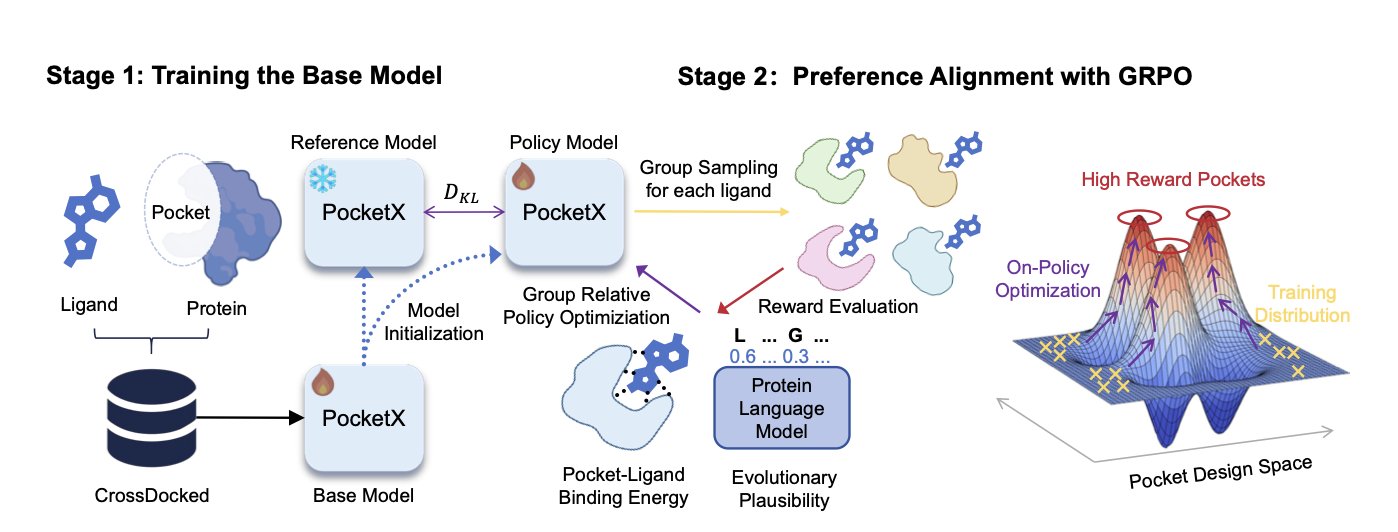
PocketX: How Reinforcement Learning Makes Protein Pocket Design More Than Just a Blueprint
Reinforcement Learning
Protein Pocket Design
Generative AI
Drug Discovery
GRPO
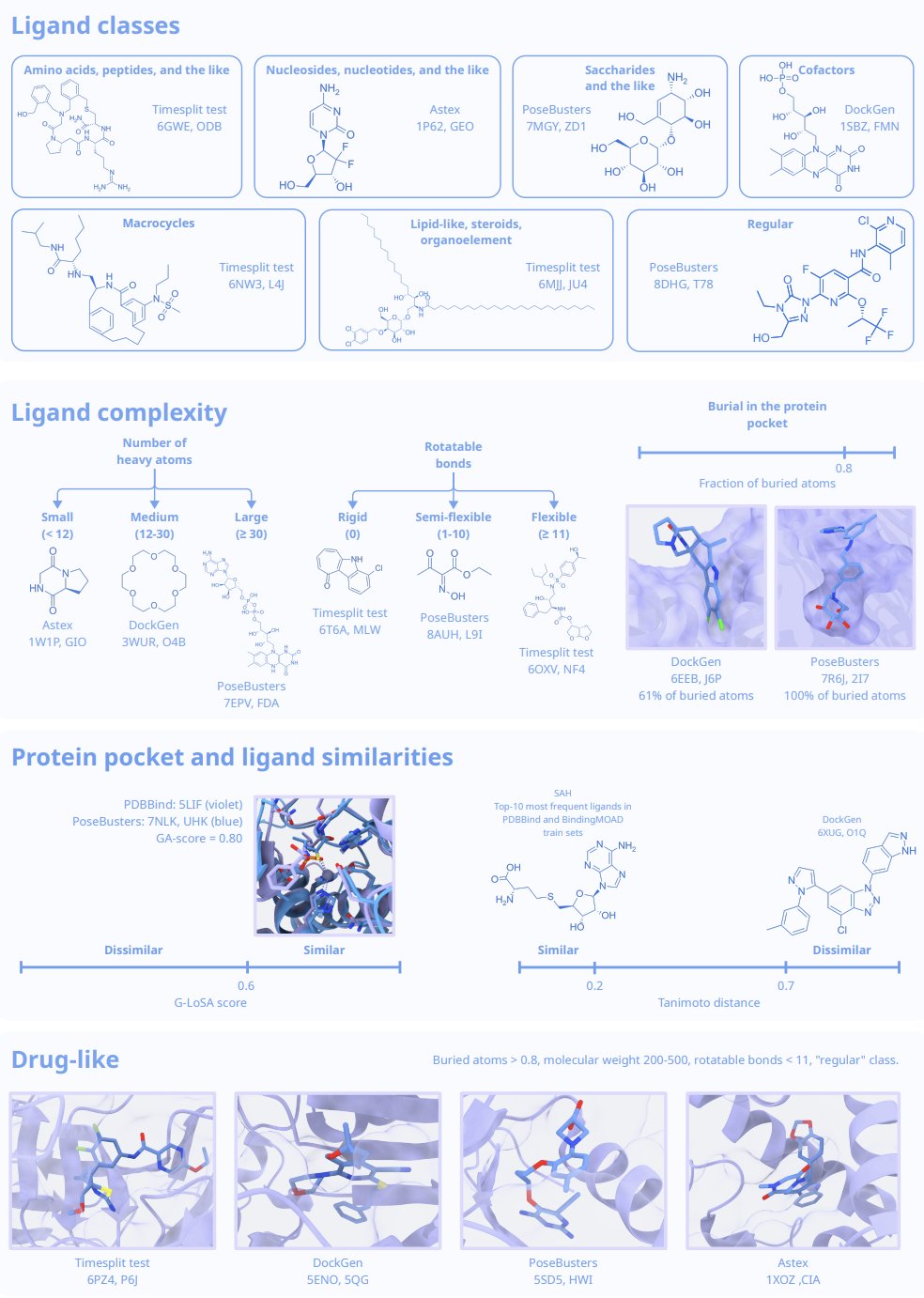
A New Benchmark for AI Drug Discovery: Why Even AlphaFold3 Struggles with New Targets
BENTO
Molecular Docking
Generalization
AI Drug Discovery
Benchmarking
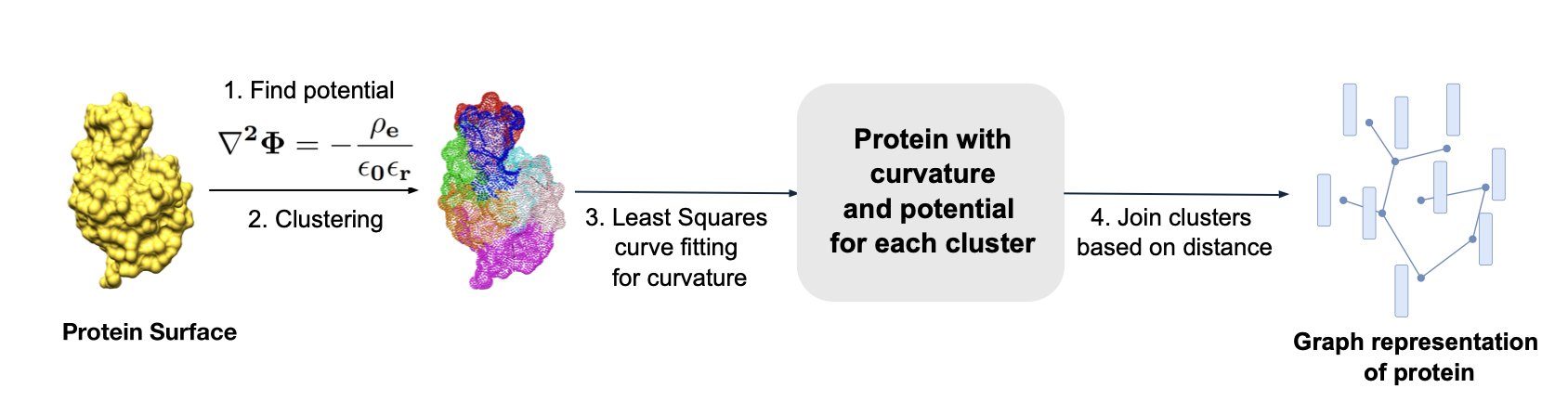
A New Way to Predict Protein Interactions: CurvePotGCN Goes Back to Basics
Protein-Protein Interaction
CurvePotGCN
Graph Convolutional Network
Computational Biology
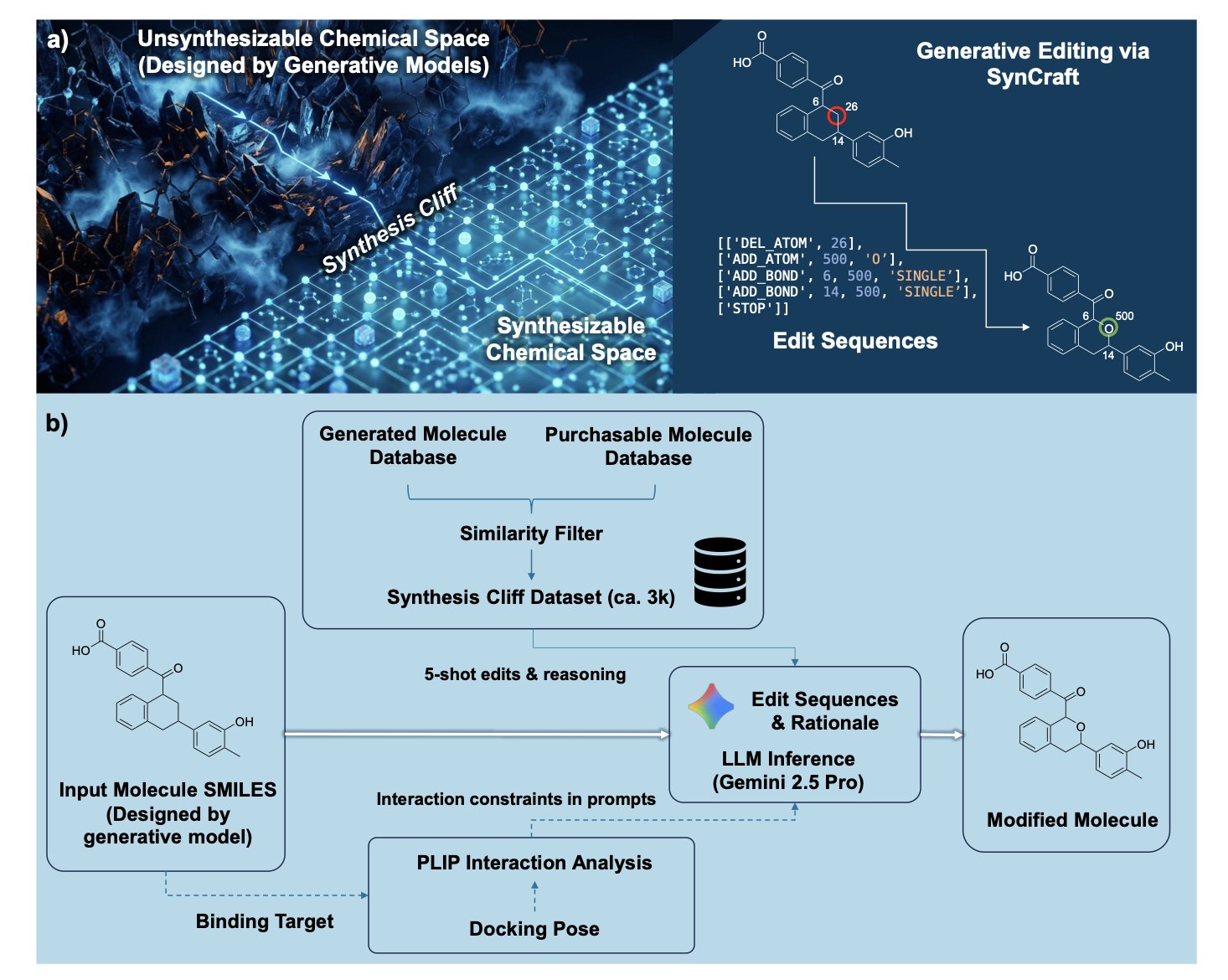
AI Molecular Editing: Crossing the Synthesis Cliff
Large Language Model
Molecular Editing
Synthesizability Optimization
Drug Discovery
SynCraft
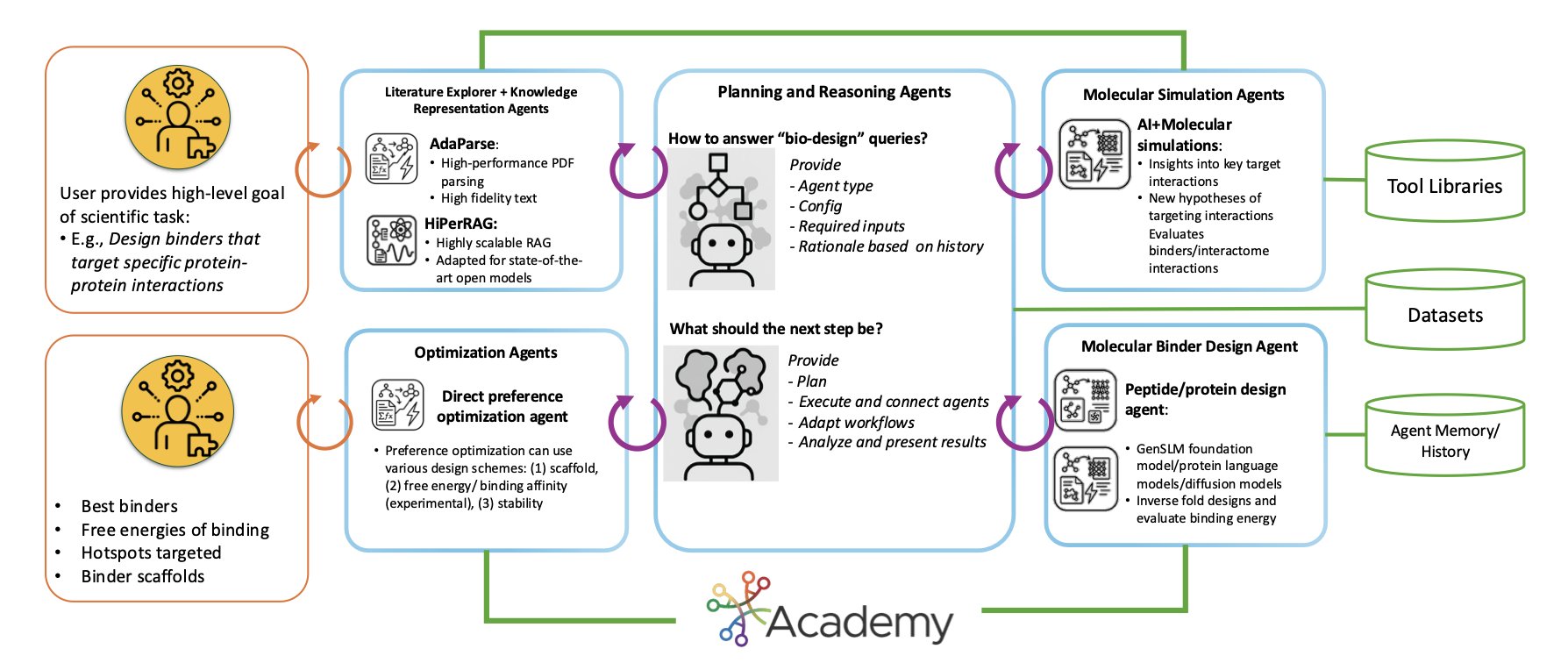
AI Agents Design Drugs for IDPs, Tackling ‘Undruggable’ Targets
AI Agents
Intrinsically Disordered Proteins
Drug Design
Computational Biology
Supercomputing
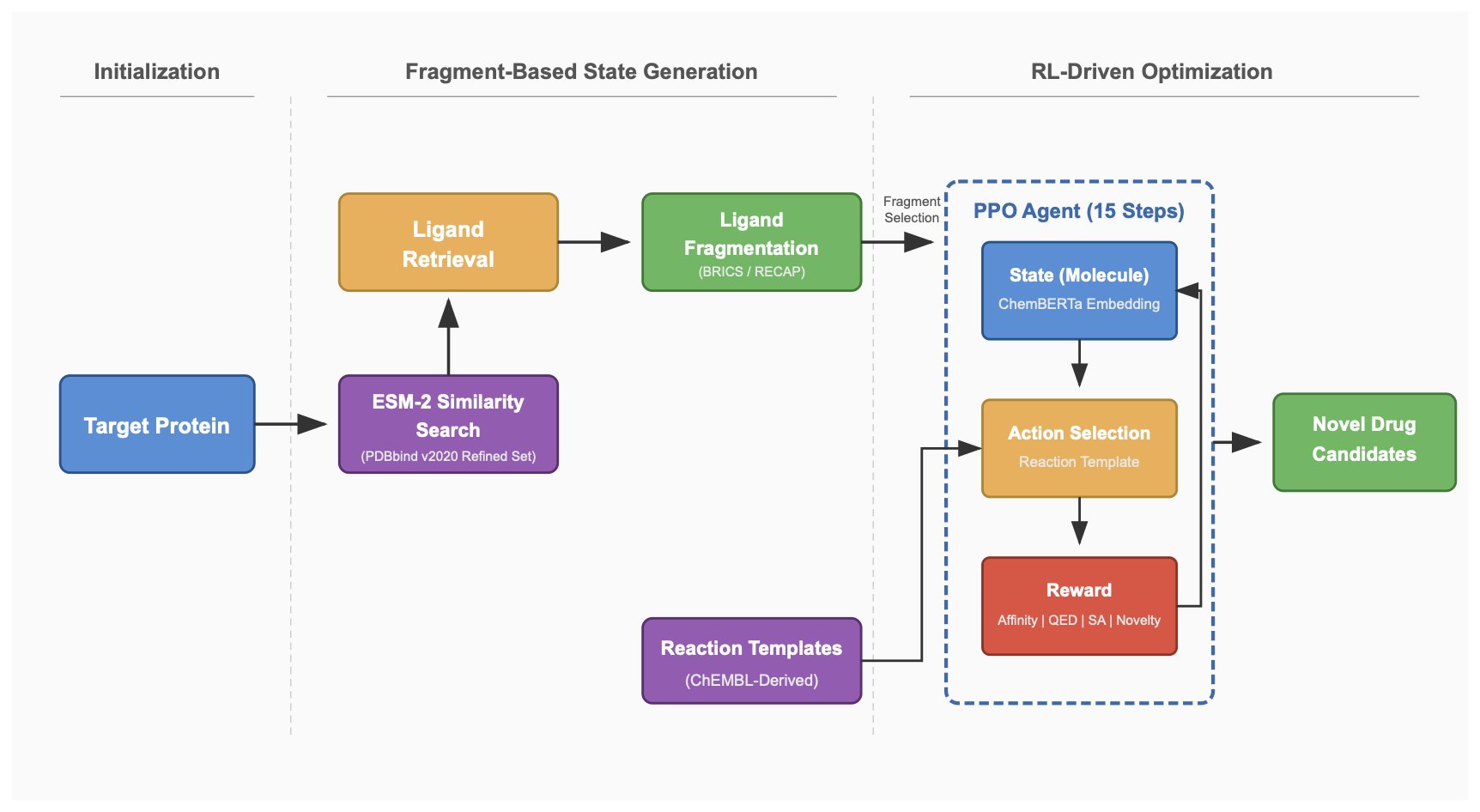
ReACT-Drug: Teaching AI to Design Synthesizable Drugs with Reaction Templates
AI Drug Discovery
Reinforcement Learning
De Novo Drug Design
Synthesizability
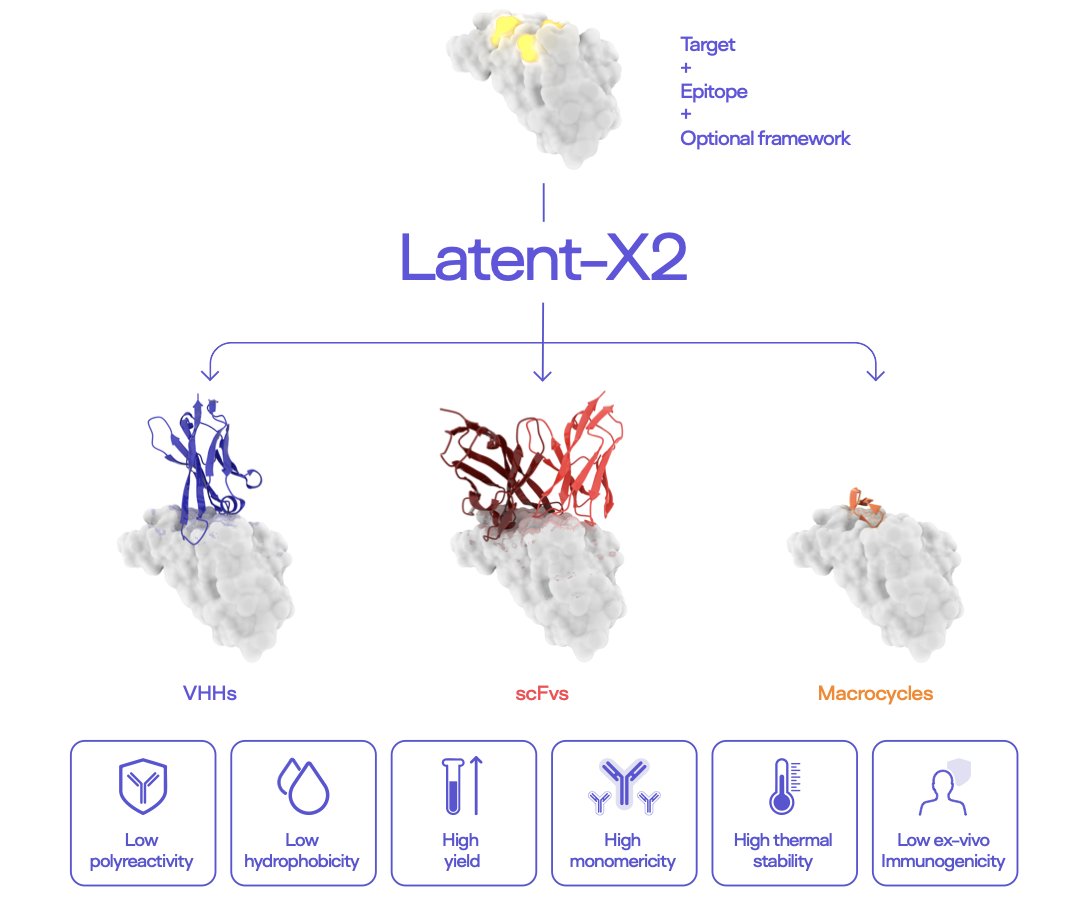
AI Designs Drug-like Antibodies in a Single Step, Solving Immunogenicity
Latent-X2
Antibody Drugs
Immunogenicity
Developability
AI Drug Discovery
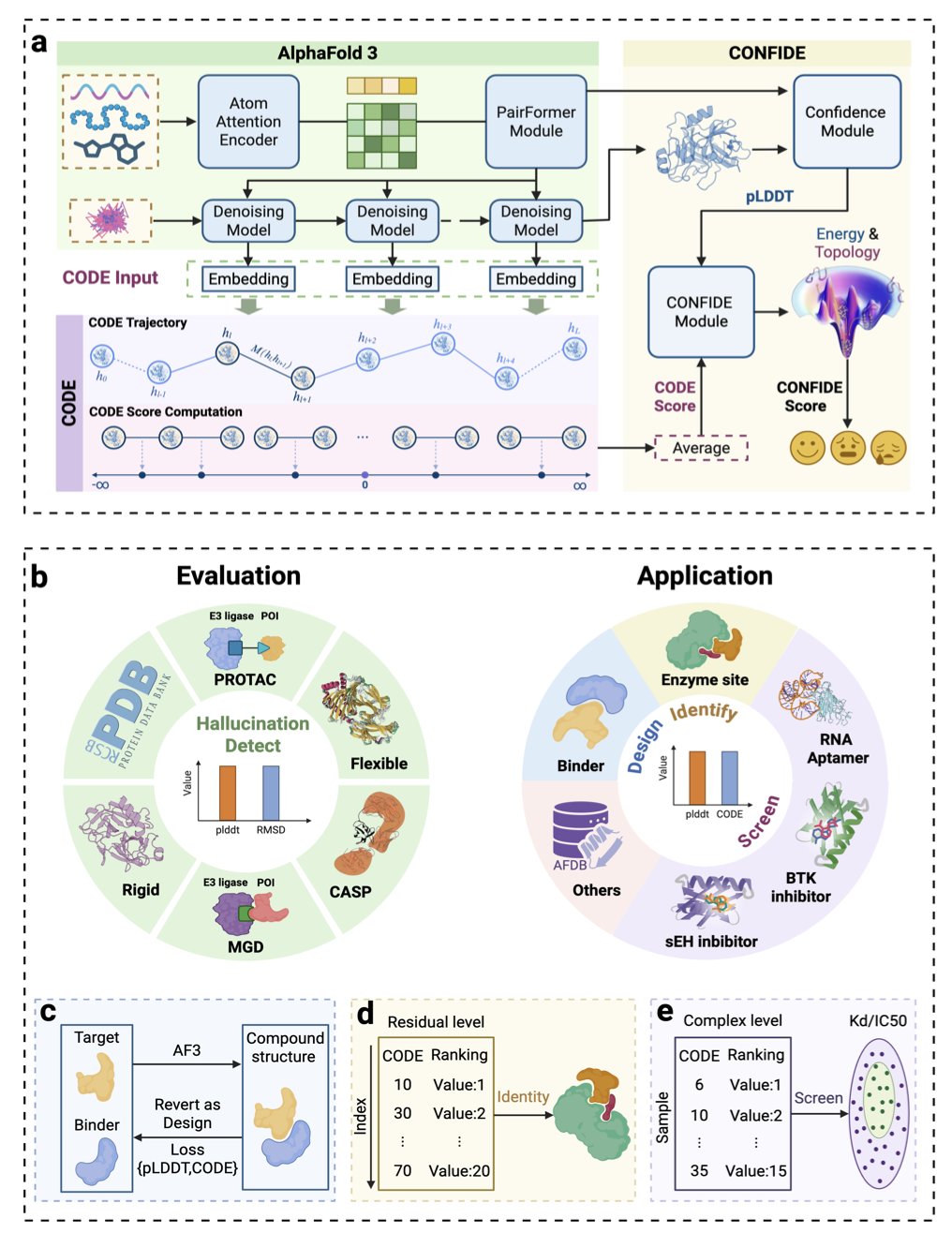
CONFIDE: A New ‘Quality Inspector’ for AI Drug Discovery, Ending Protein Structure Hallucinations
CONFIDE
Protein Structure Prediction
AI Hallucination
Topological Conflict
Computational Drug Discovery
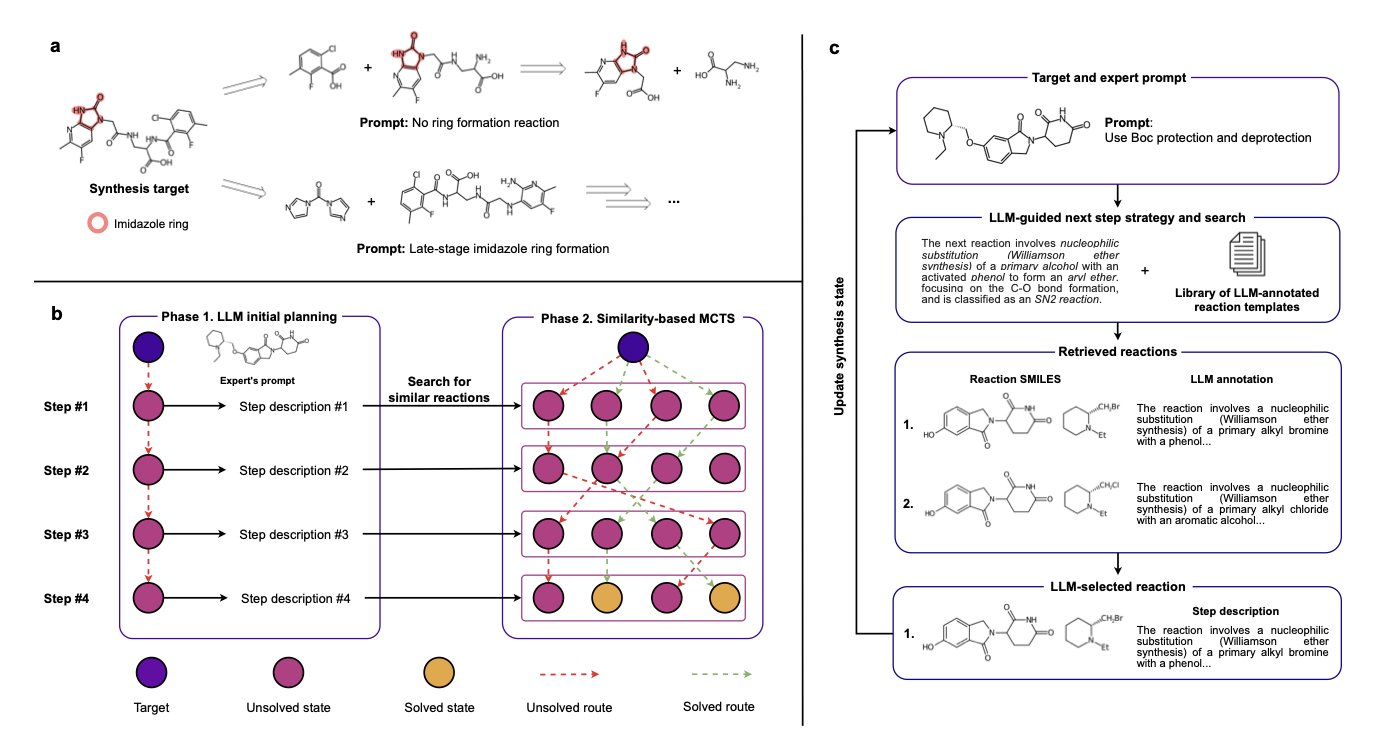
Synthelite: An AI Chemist That Designs Synthesis Routes Using Plain Language
Retrosynthesis
Large Language Model
Cheminformatics
Synthesis Planning
Human-AI Collaboration
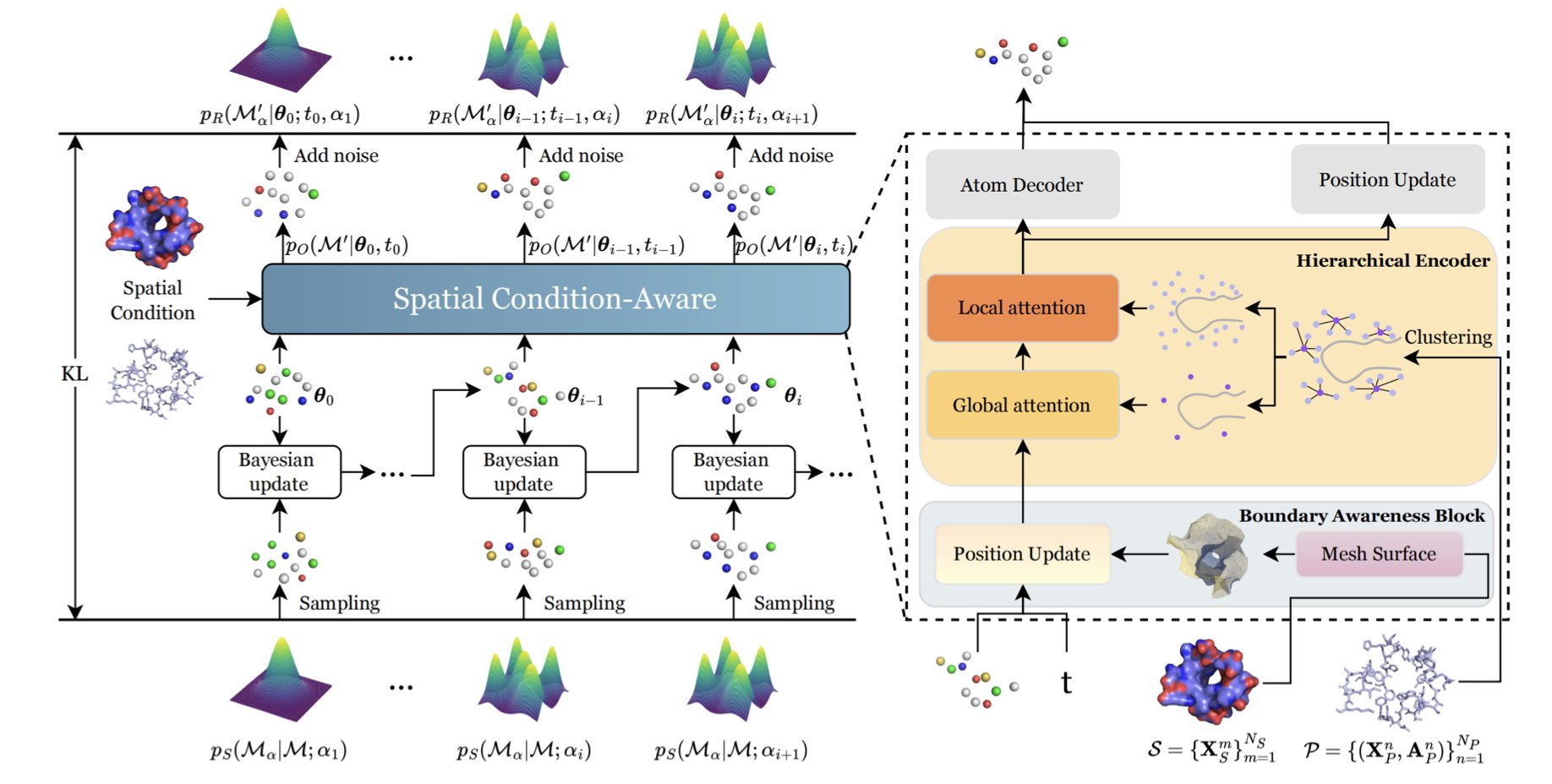
SculptDrug: Sculpting the Perfect Ligand with Bayesian Flow
SculptDrug
Bayesian Flow Networks
SBDD
AIDD
Generative Models
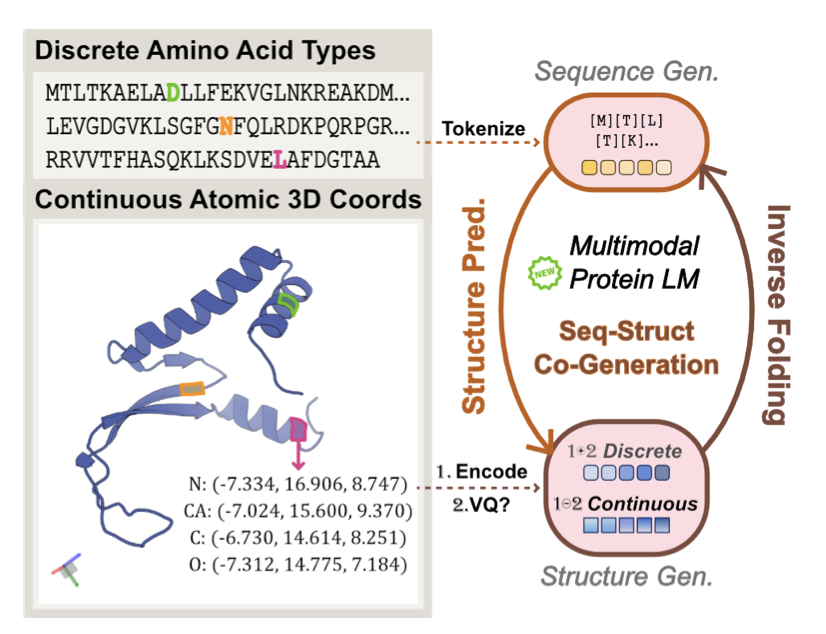
HD-Prot: Continuous Tokens Are a New Paradigm for Protein Modeling
Protein Language Model
Continuous Tokens
Structure Modeling
Diffusion Model
HD-Prot
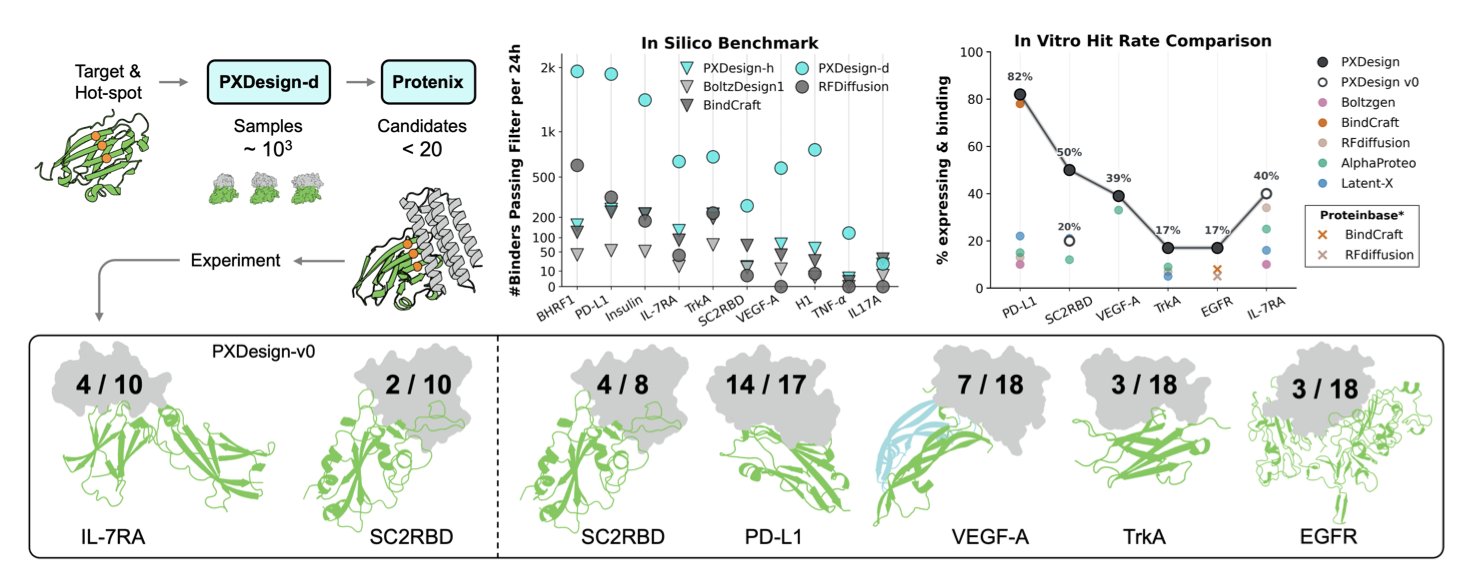
ByteDance PXDesign: AI-Designed Proteins Hit an 82% Success Rate
Protein Design
Generative AI
Diffusion Models
AlphaFold
Drug Discovery
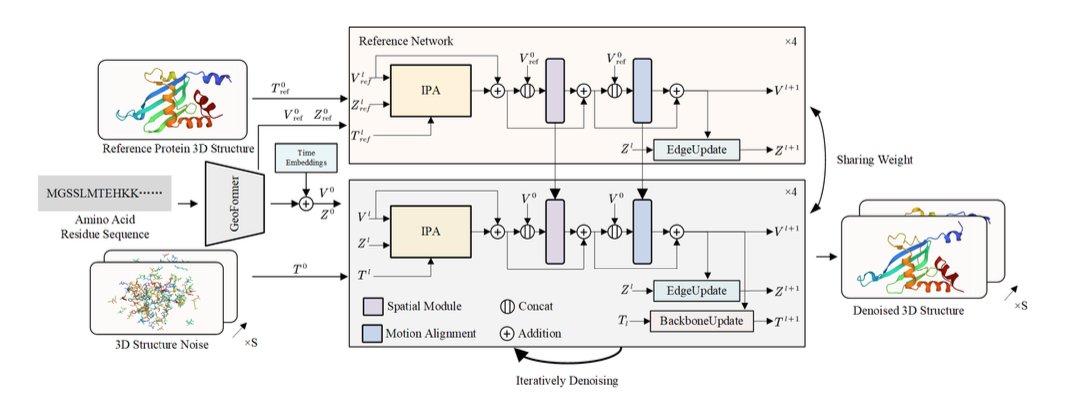
AI Makes Proteins Move: Introducing the 4D Diffusion Model
4D Diffusion Model
Protein Dynamics
Molecular Dynamics
Generative AI
Drug Discovery
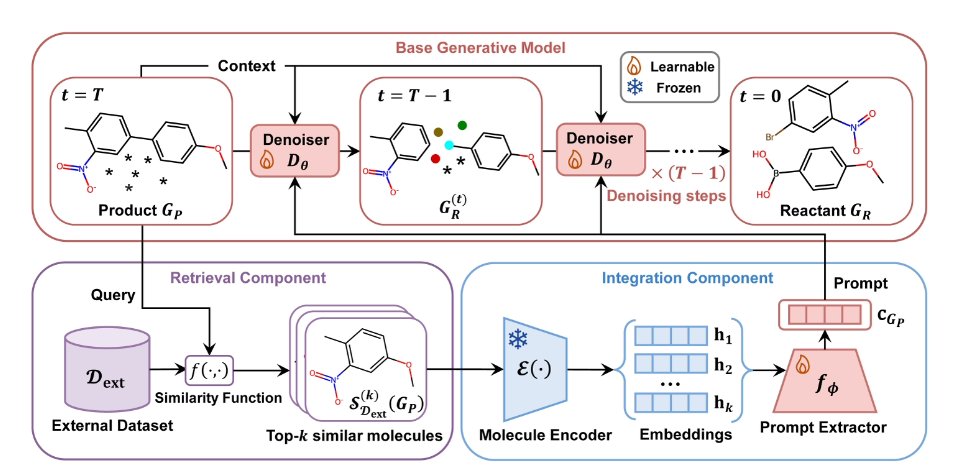
Giving AI a Search Library Boosts Retrosynthesis Accuracy by 15%
Retrosynthesis
Retrieval-Augmented Generation
RARB
Diffusion Model
Computational Chemistry
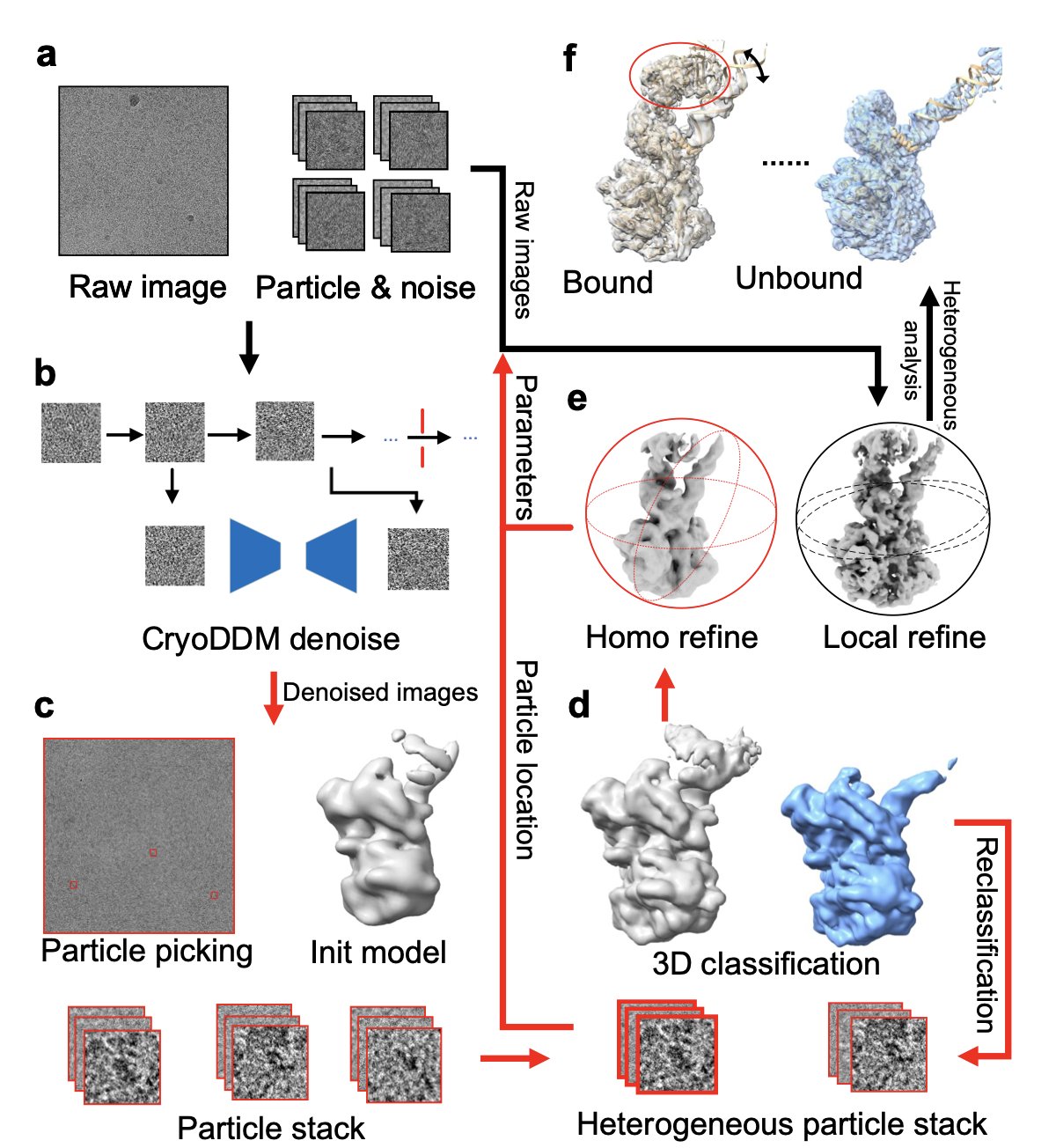
CryoDDM: AI Helps Cryo-EM See the Dynamic Details of Proteins
Cryo-EM
Denoising Diffusion Model
Structural Biology
Protein Conformation
Drug Discovery
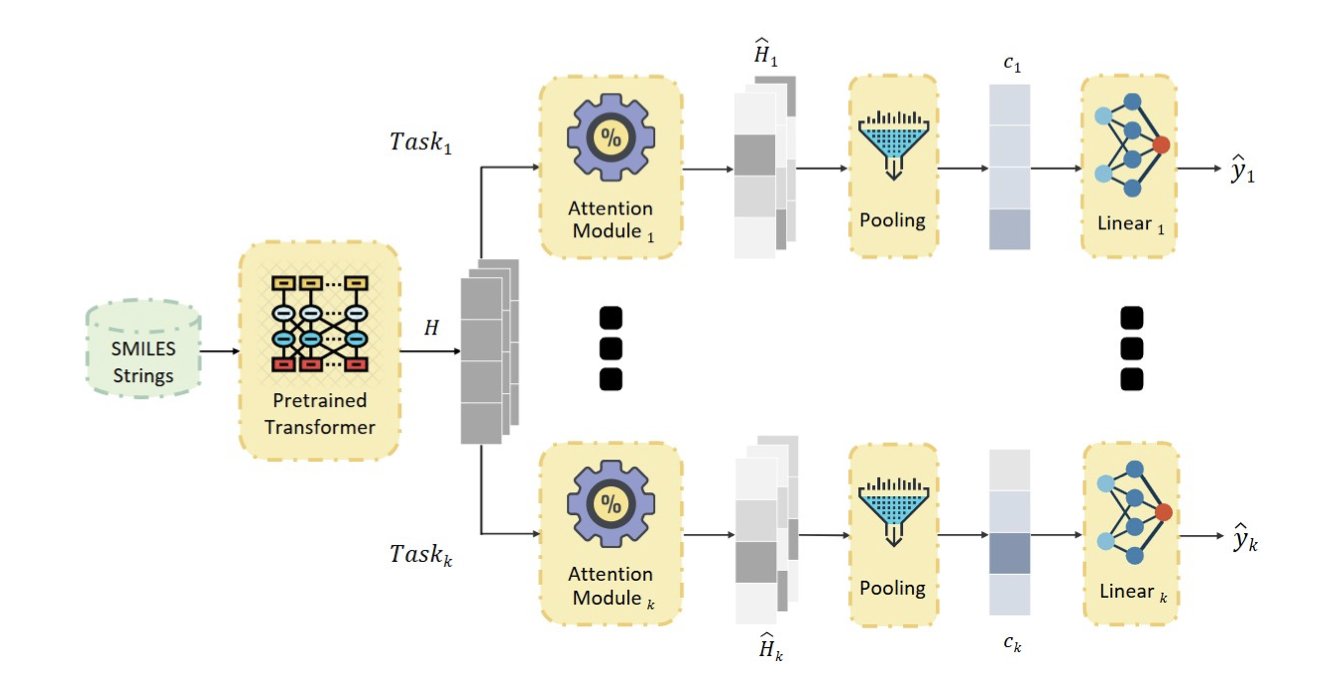
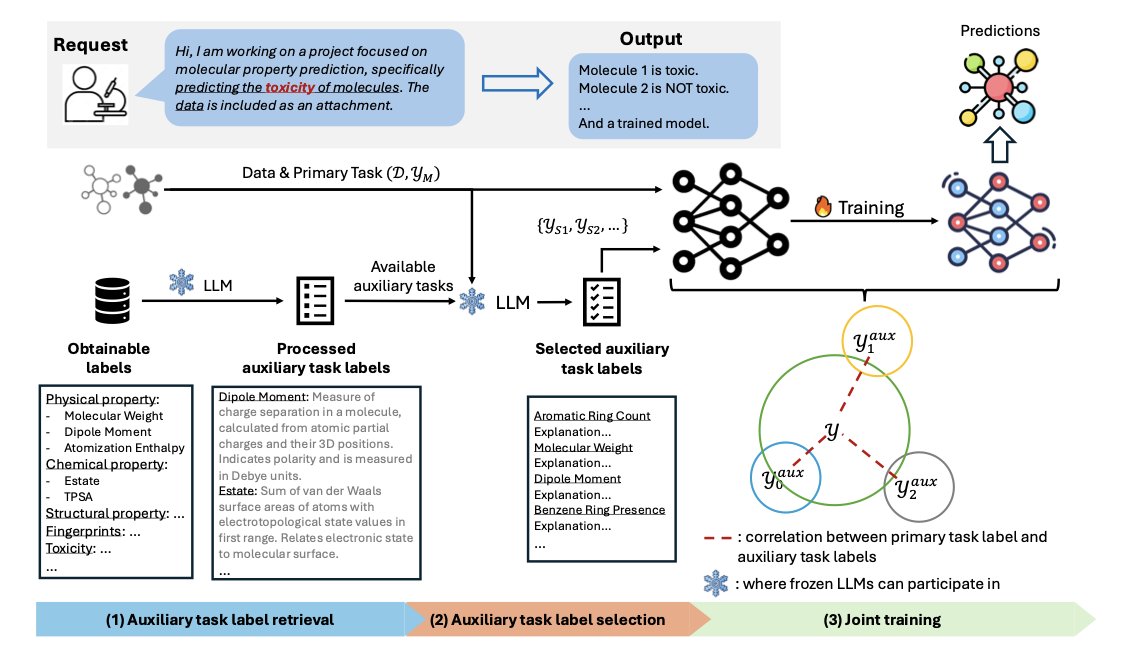
AI Predicts Molecular Toxicity: More Accurate, and Now Explainable
Molecular Toxicity Prediction
Multi-task Learning
Explainable AI
Chemical Language Models
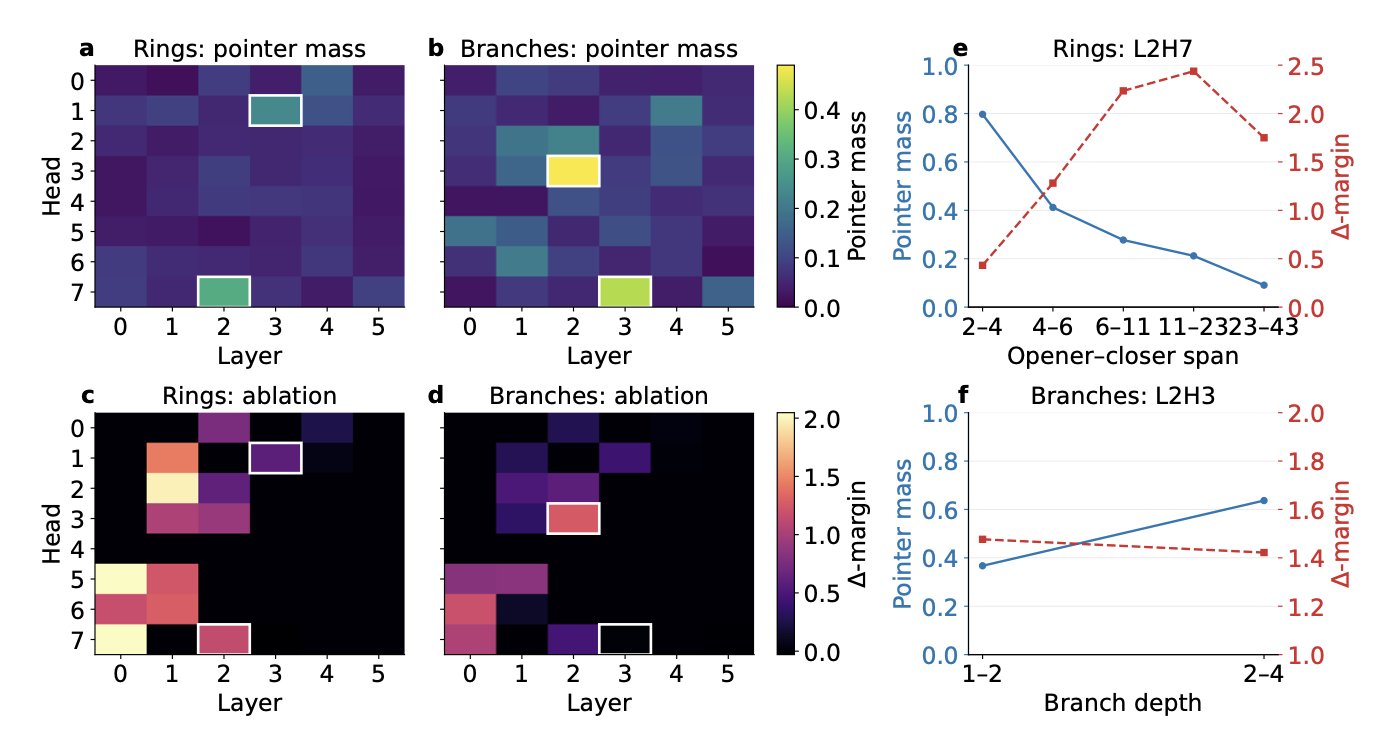
Dissecting the AI Chemist: The Thought Circuits of a Molecular Transformer
Molecular Transformer
Explainable AI
Sparse Autoencoders
Molecule Generation
Computational Chemistry
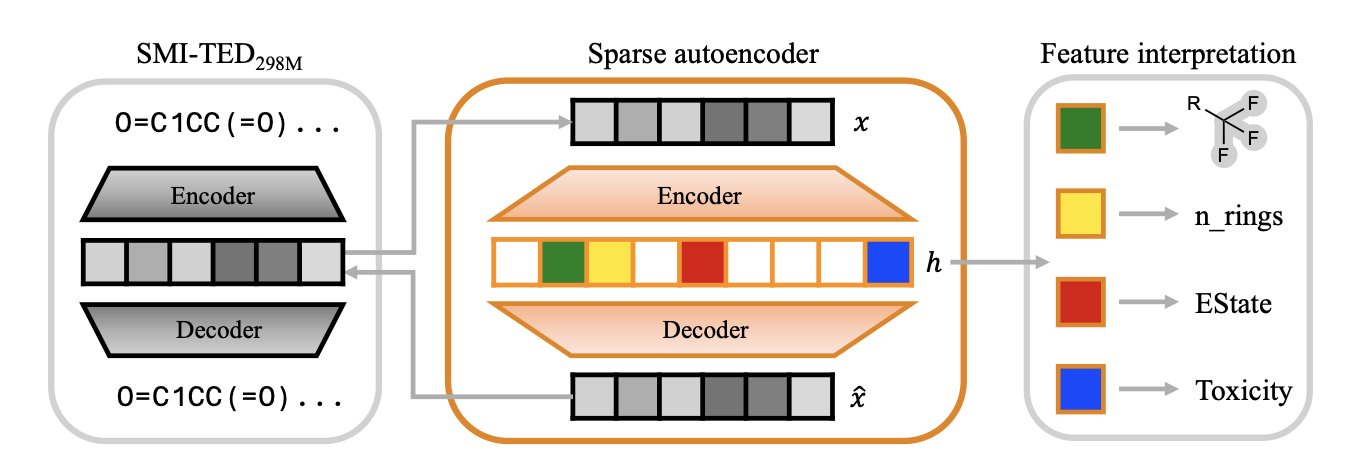
Decoding the AI Brain: SAEs Make Chemistry Language Models Interpretable
Sparse Autoencoders
AI Interpretability
Chemistry Language Models
Drug Discovery
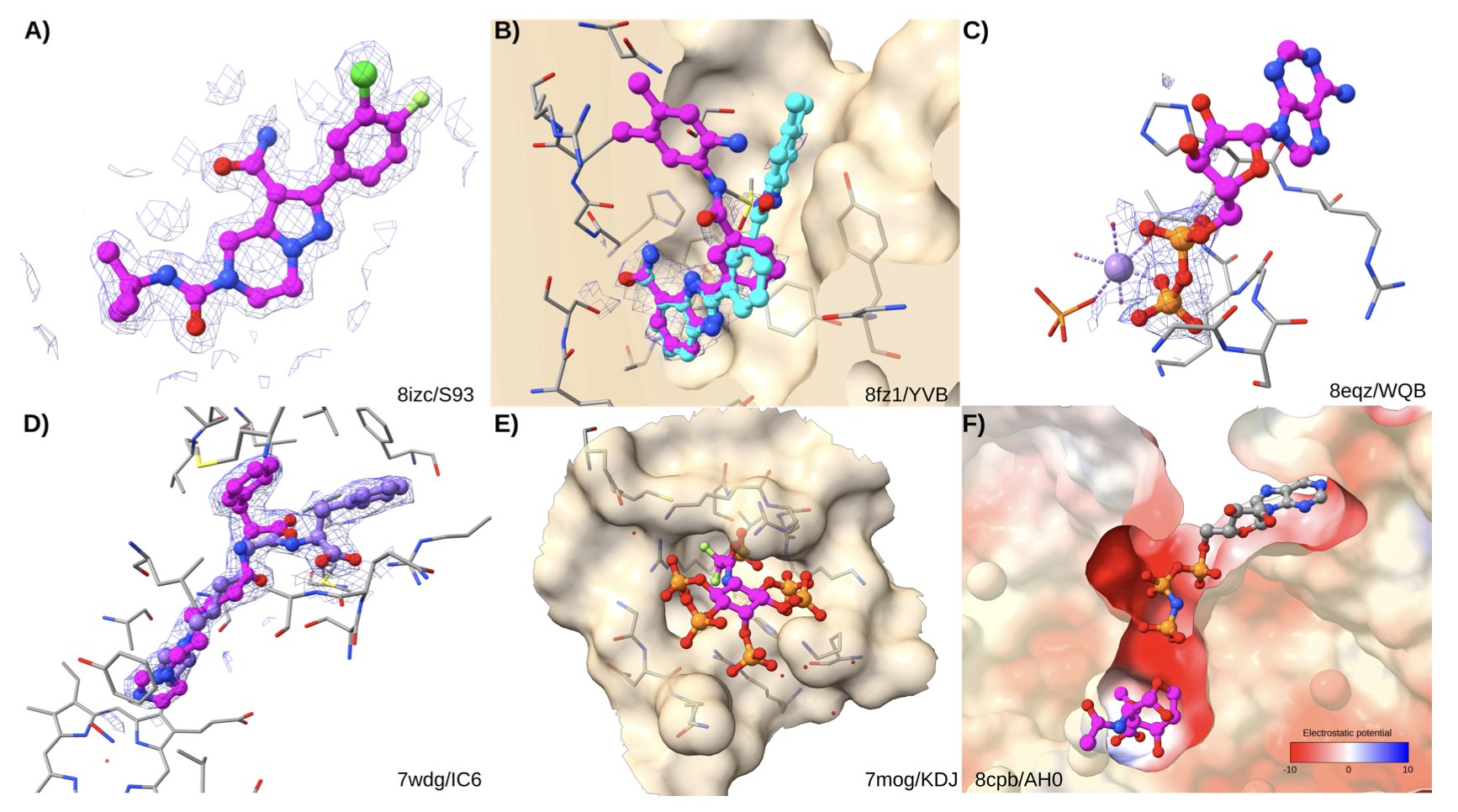
AI Drug Discovery: Co-folding vs. Docking—Which is More Reliable?
AI Drug Discovery
Co-folding
Molecular Docking
Computational Chemistry
Benchmarking
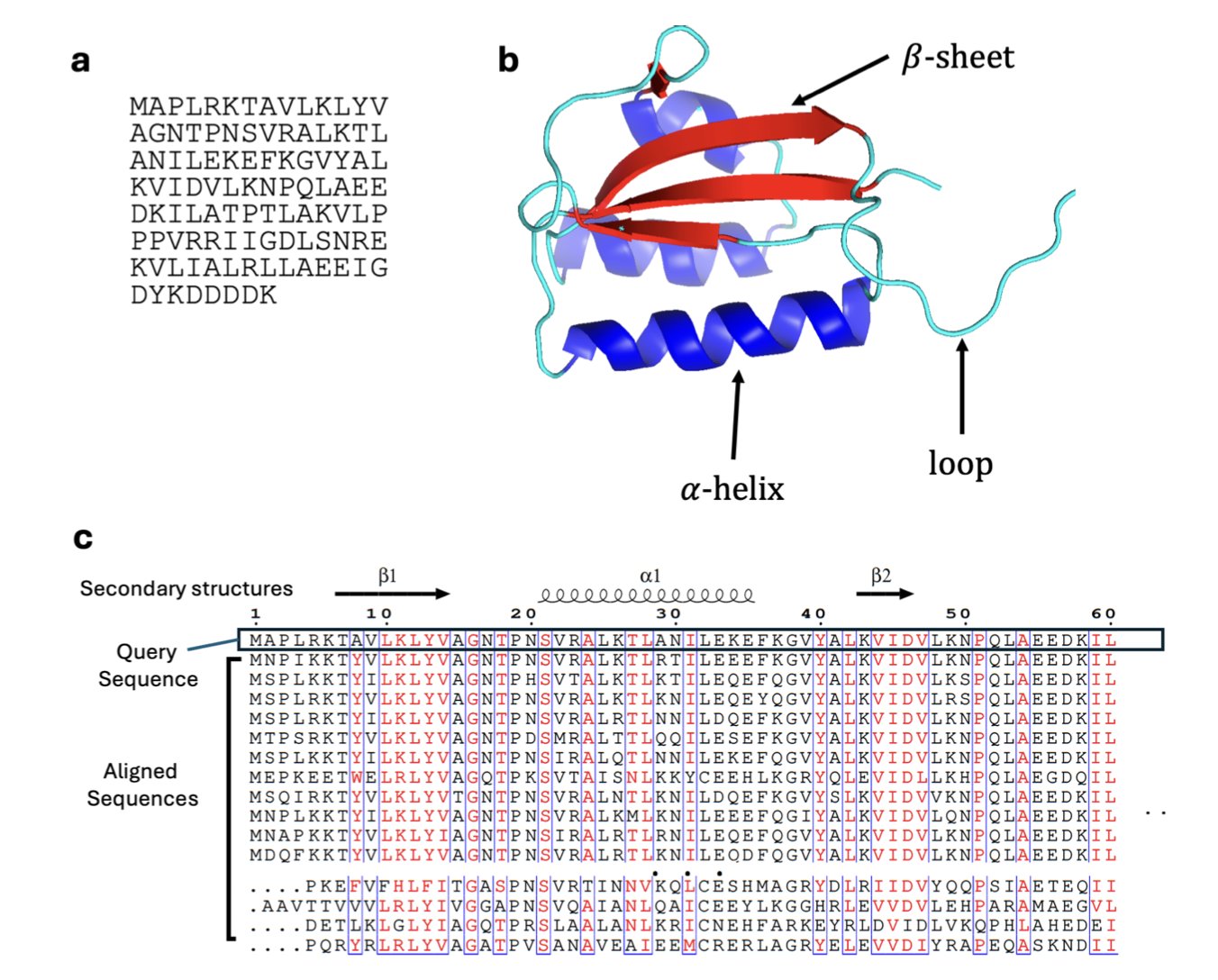
A New Trick for AlphaFold2: Predicting ‘Transformer’ Proteins
AlphaFold2
Metamorphic Proteins
Conformational Ensemble
Statistical Learning
Protein Structure Prediction
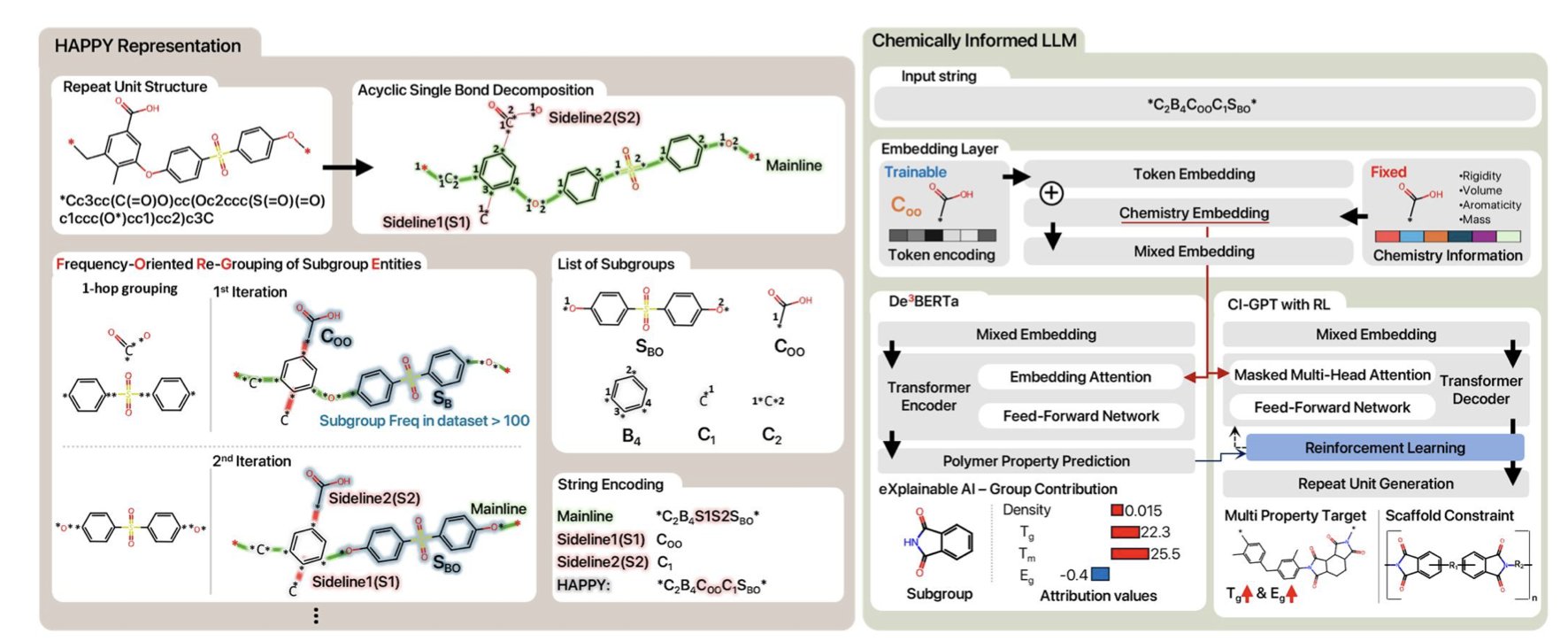
CI-LLM: Teaching Large Models to Think About Polymers Like a Chemist
Large Language Models
Polymer Informatics
Inverse Design
Explainable AI
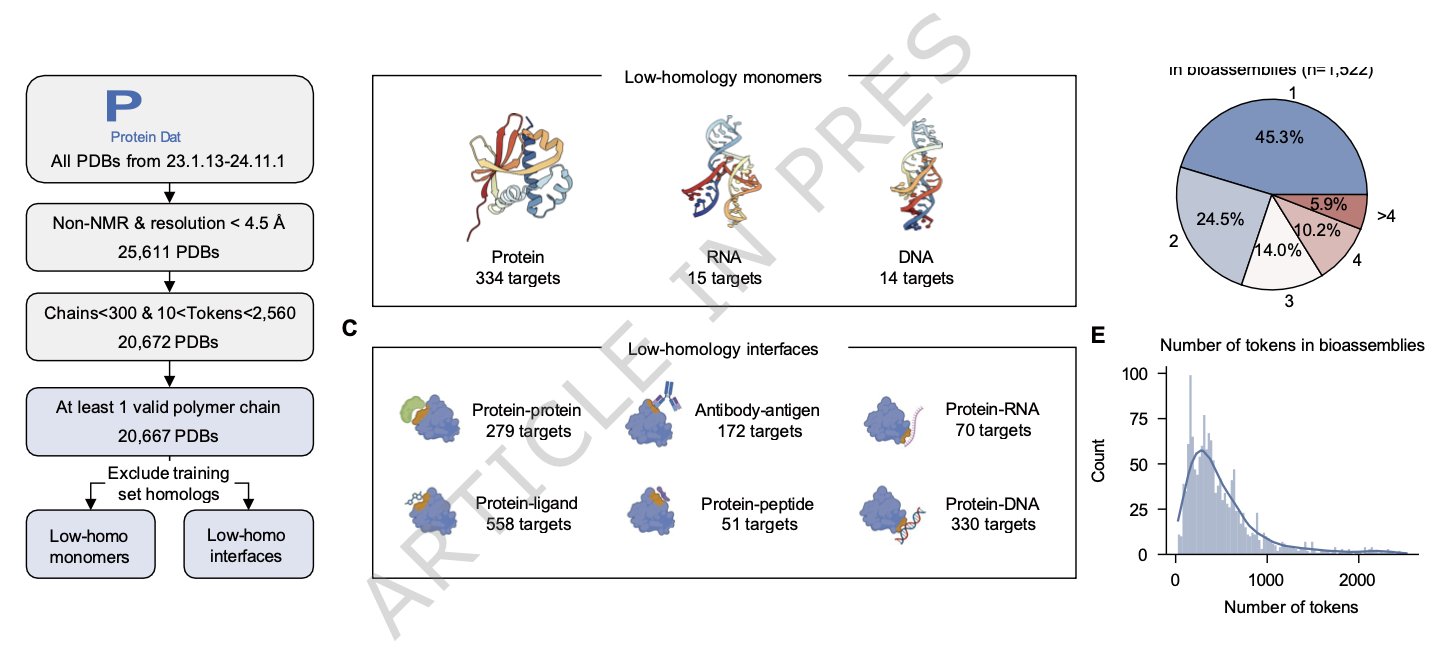
The FoldBench Benchmark: A High-Stakes Exam for AI Structure Prediction
FoldBench
AlphaFold 3
Structure Prediction
Drug Discovery
Benchmarking
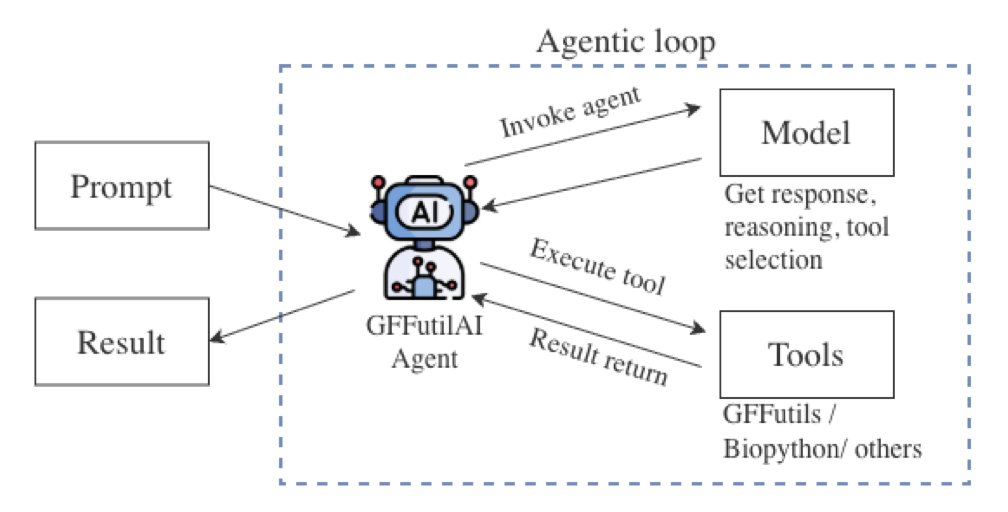
A New AI Agent Tool: Talk Directly to Your Genome GFF Files
AI Agent
GFF File
Bioinformatics
Natural Language Processing
Genomics
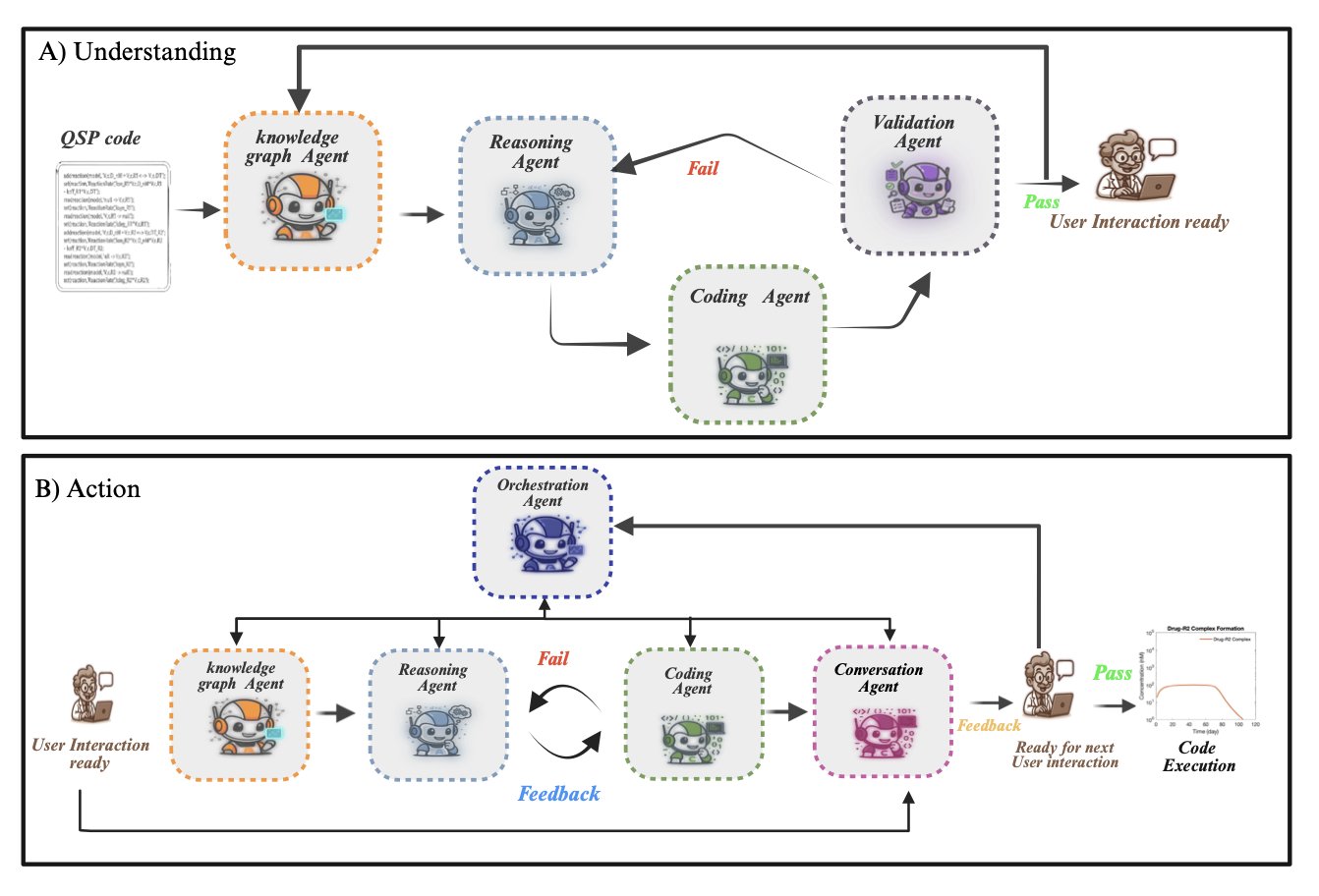
GRASP: Building Complex Pharmacology Models with Conversation
Quantitative Systems Pharmacology
GRASP
AI Agent
Graph Reasoning
Knowledge Graph
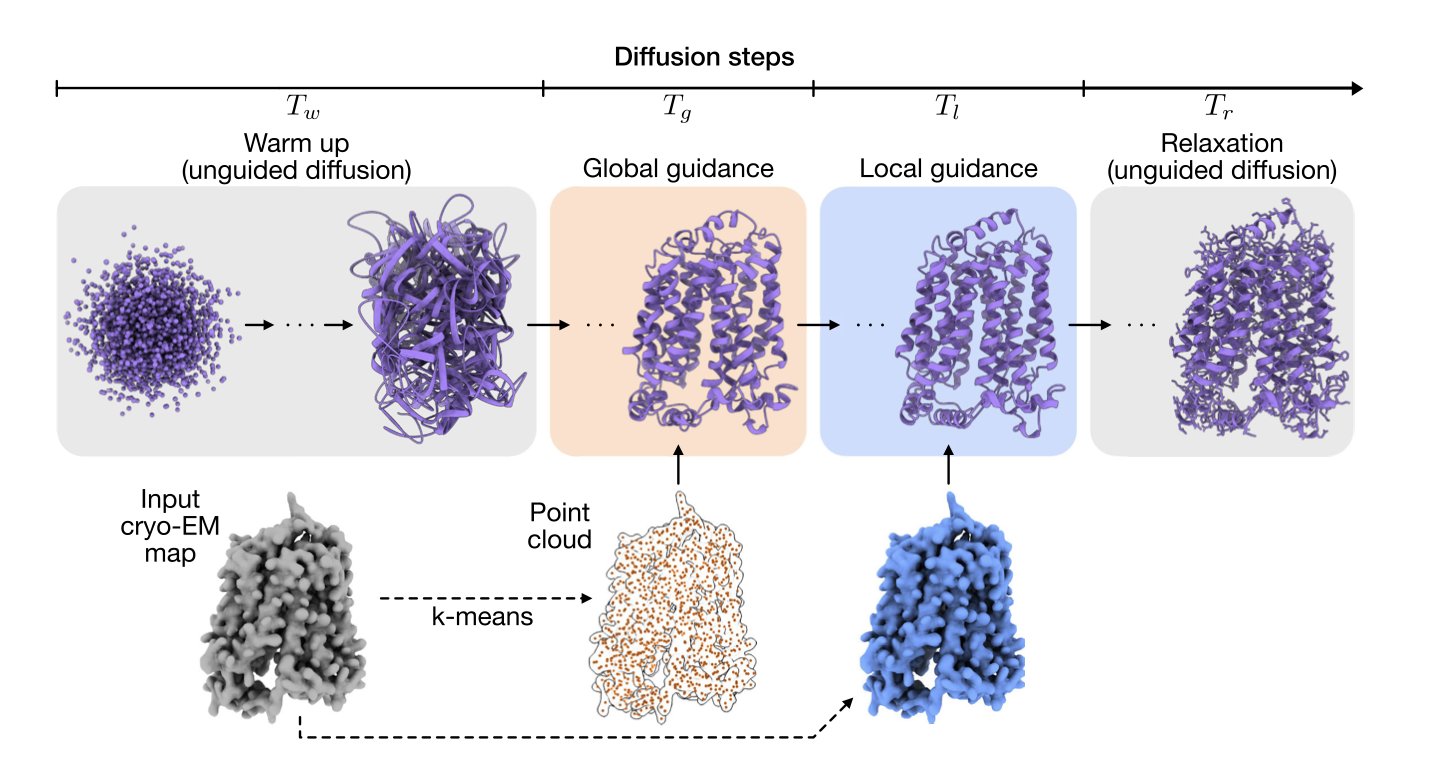
CryoBoltz: Using AI to See Protein Dynamics and Unlock New Drug Targets
CryoBoltz
Cryo-EM
Protein Dynamics
Diffusion Model
Drug Discovery
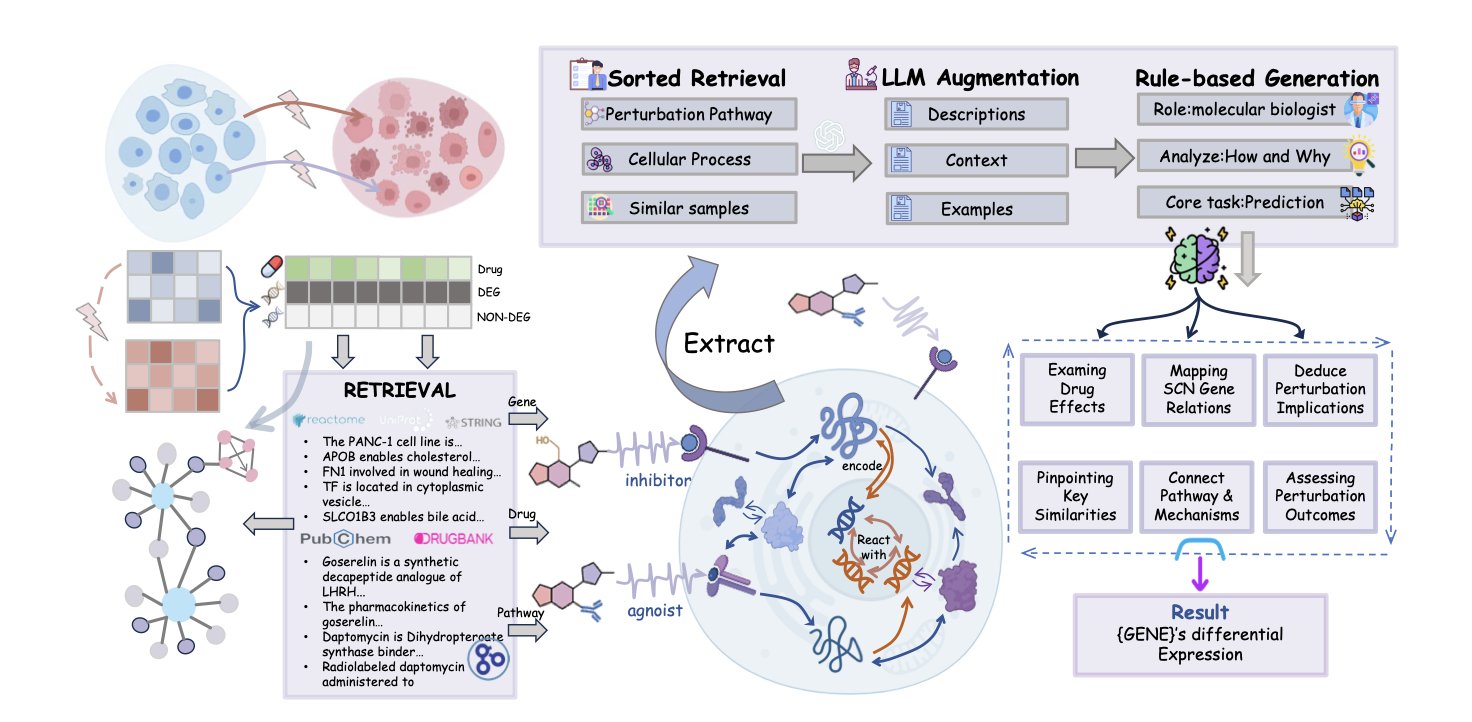
VCWorld: Building an Explainable ‘White-Box’ Virtual Cell with a Large Model
Computational Biology
Large Language Models
Explainable AI
Virtual Cell
Knowledge Graph
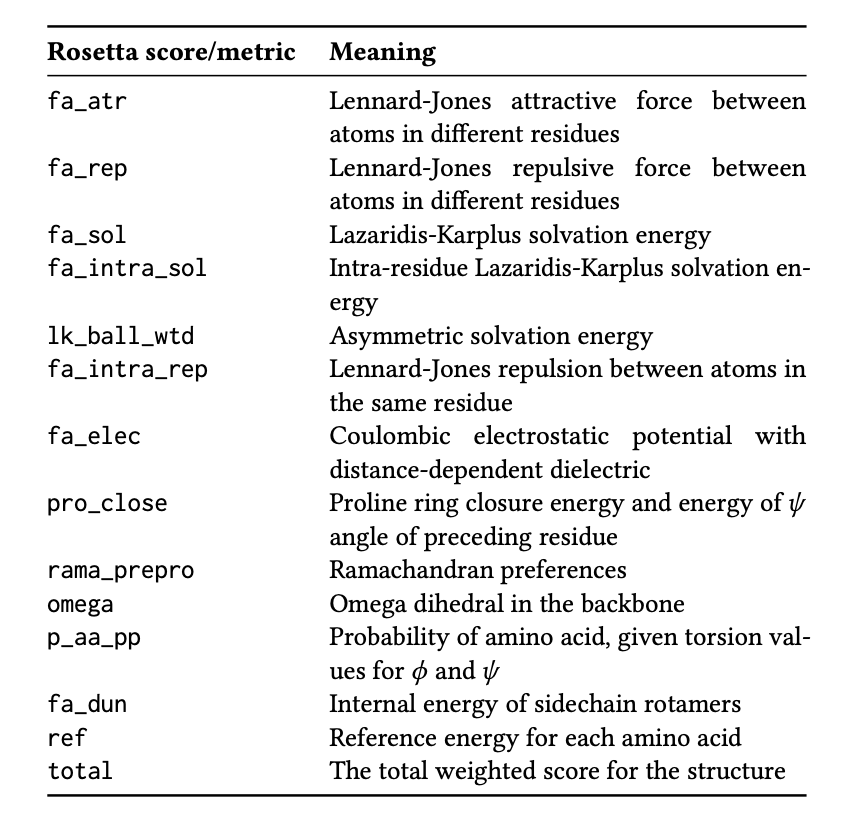
New AI Tool PRIMRose Decodes InDel Mutations, Amino Acid by Amino Acid
PRIMRose
InDel mutations
protein engineering
deep learning
Rosetta
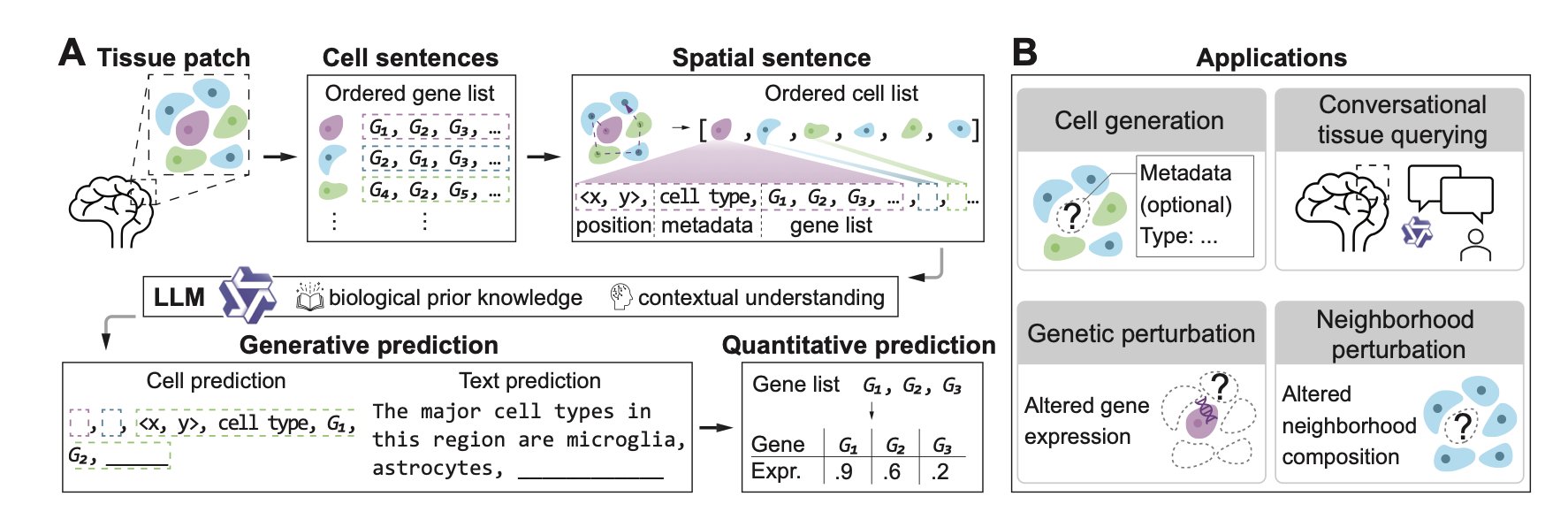
TissueNarrator: Using Large Language Models to Read the Cellular Landscape
Large Language Model
Spatial Transcriptomics
Computational Biology
Gene Perturbation
Generative AI
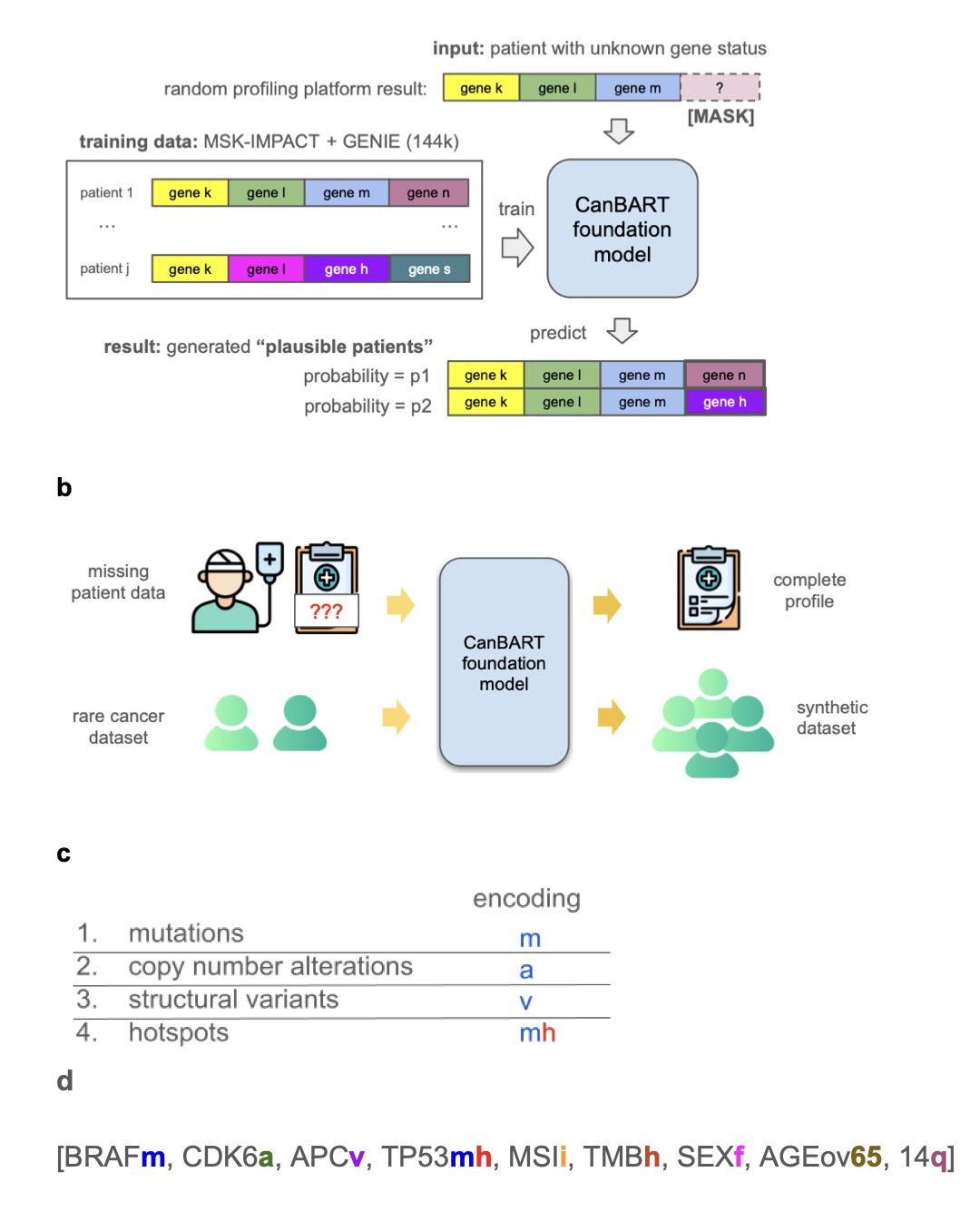
CanBART: Using a Language Model to Generate Synthetic Cancer Patient Data
CanBART
Generative AI
Synthetic Data
Cancer Genomics
Rare Cancers
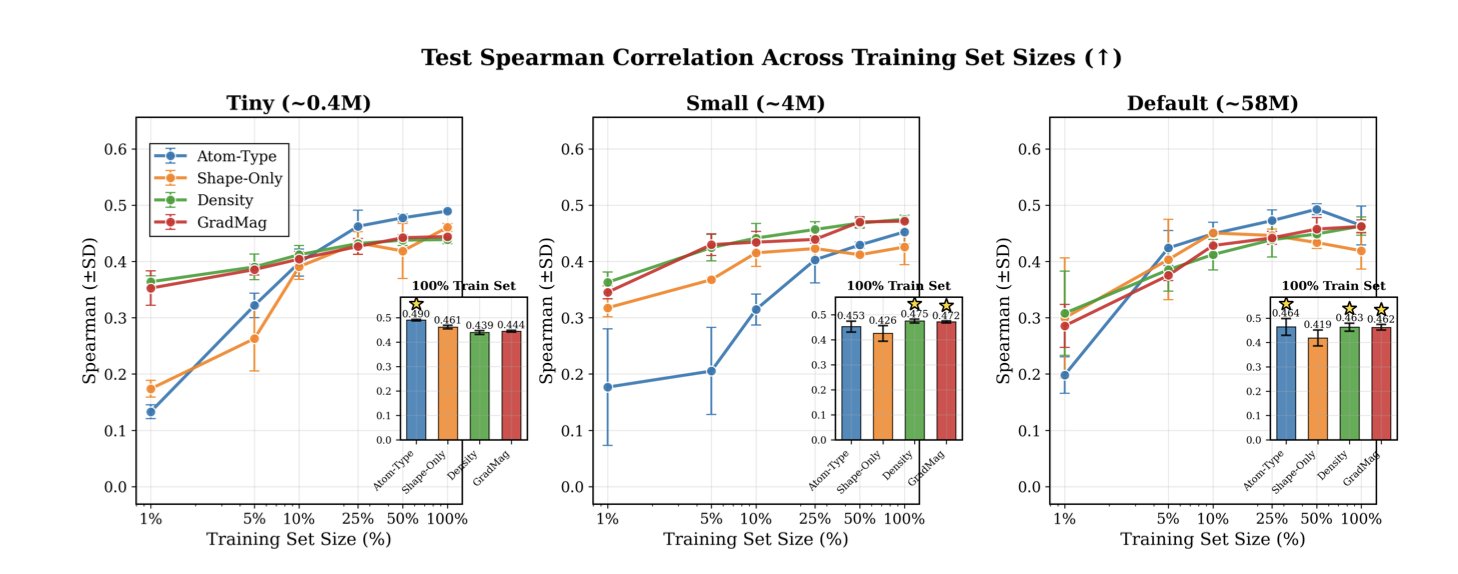
Beyond Atoms: How Electron Density Maps Are Changing AI Drug Discovery
AI Drug Discovery
Electron Density Maps
3D Molecular Learning
Binding Affinity Prediction
Structure-Based Drug Design
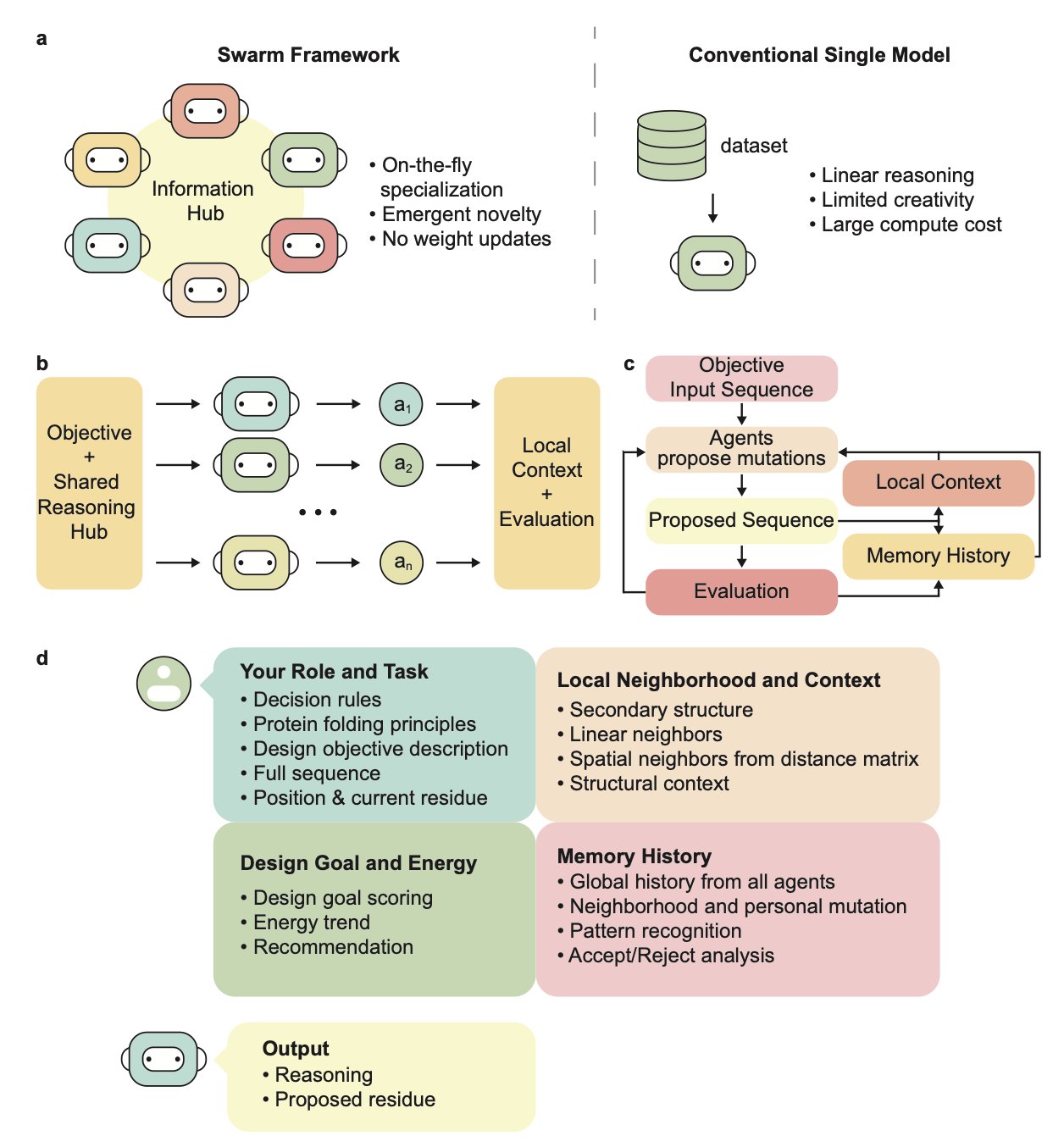
Swarms of Large Language Models: Designing New Proteins Without Training
Protein Design
Large Language Models
Swarm Intelligence
Agents
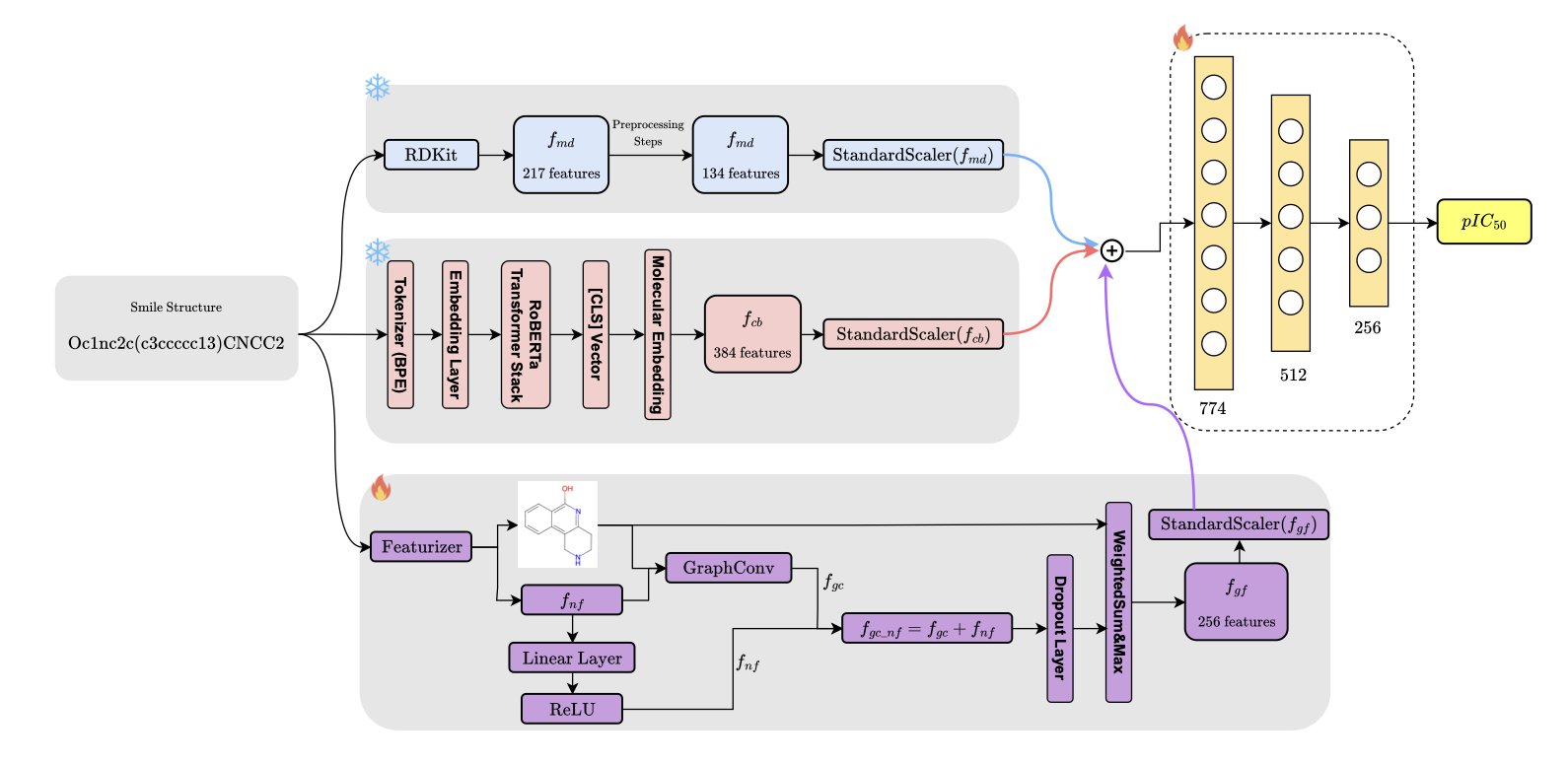
Rep3Net: Using Multimodal Information to Accurately Predict PARP-1 Inhibitor Activity
Multimodal Learning
Drug Activity Prediction
PARP-1
Graph Neural Network
ChemBERTa
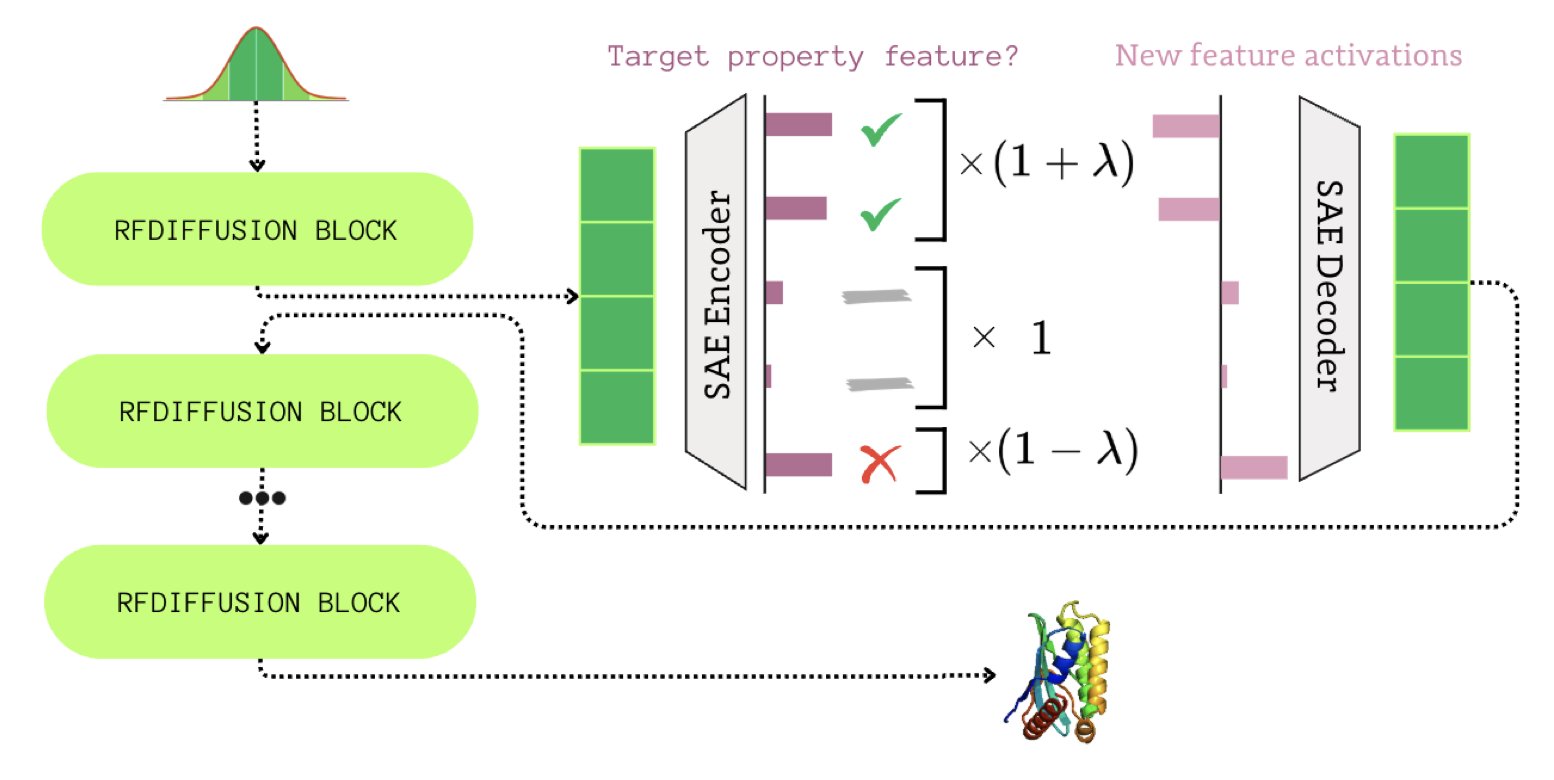
FoldSAE: Precisely Controlling Protein Folding with a Sparse Autoencoder
FoldSAE
Sparse Autoencoder
Protein Design
RFdiffusion
Secondary Structure
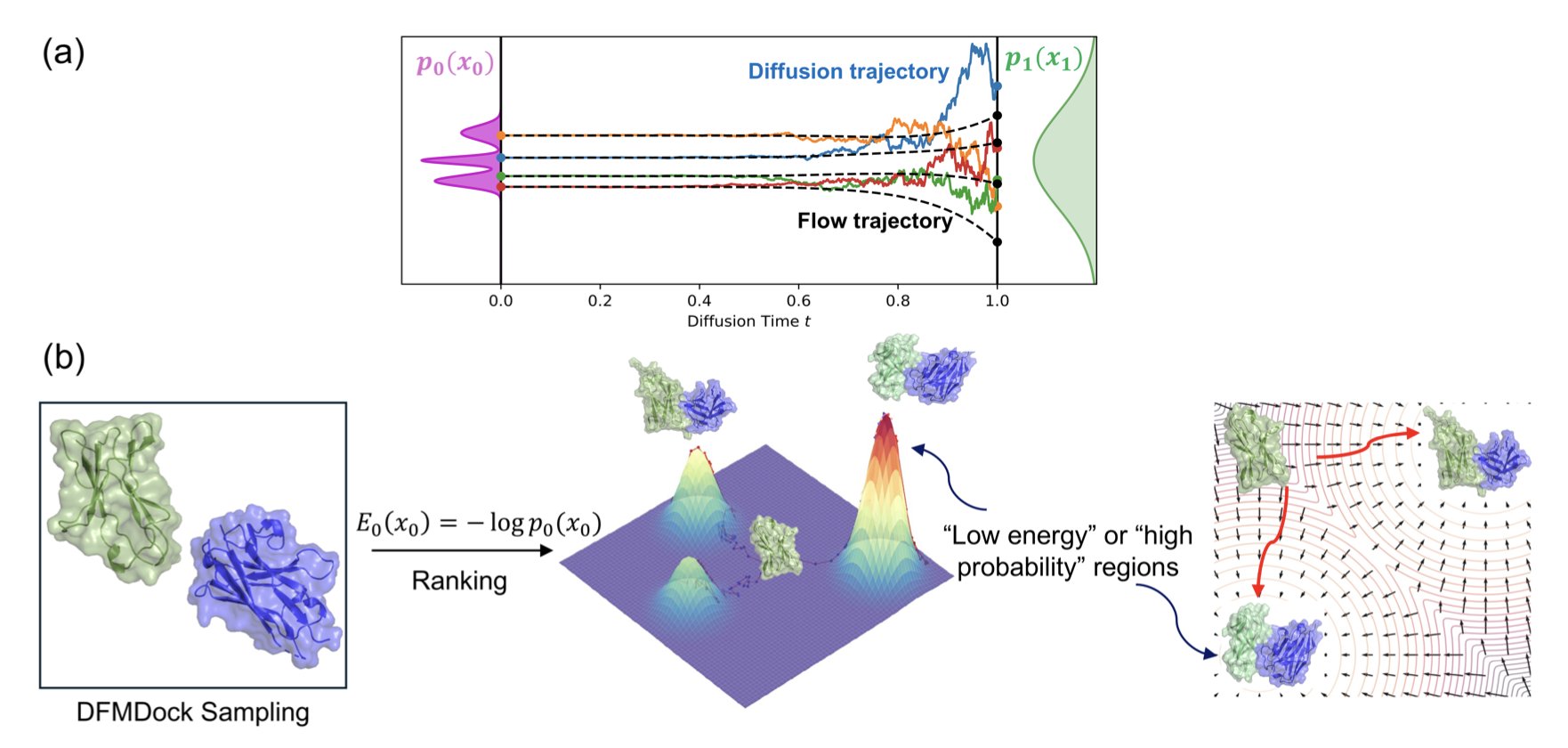
Diffusion Models Learn Thermodynamics: Extracting Physical Energy from AI
Diffusion Models
Protein Structure Prediction
Computational Chemistry
Thermodynamics
Generative AI
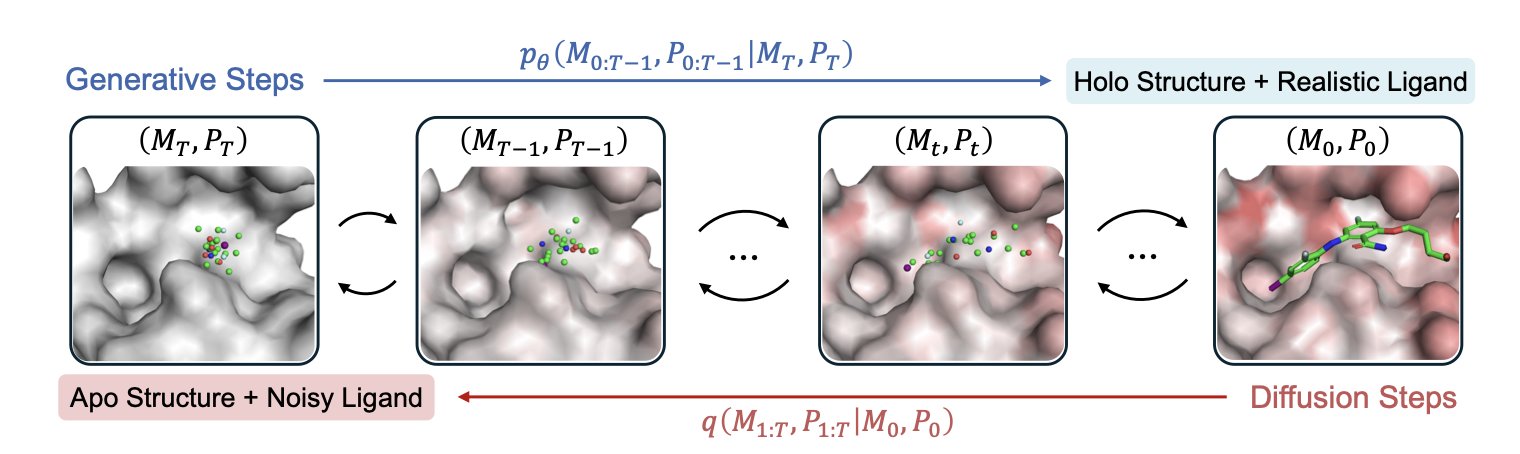
Apo2Mol: A New Path for AI Drug Design that Tackles Protein Flexibility
Apo2Mol
Diffusion Model
Protein Flexibility
Drug Design
Induced Fit

A New AI Paradigm: Generating Antibody Sequence and Structure in One Step with an AlphaFold3 Model
AlphaFold3
Antibody Design
Sequence-Structure Co-design
Protein Structure Prediction
Drug Discovery
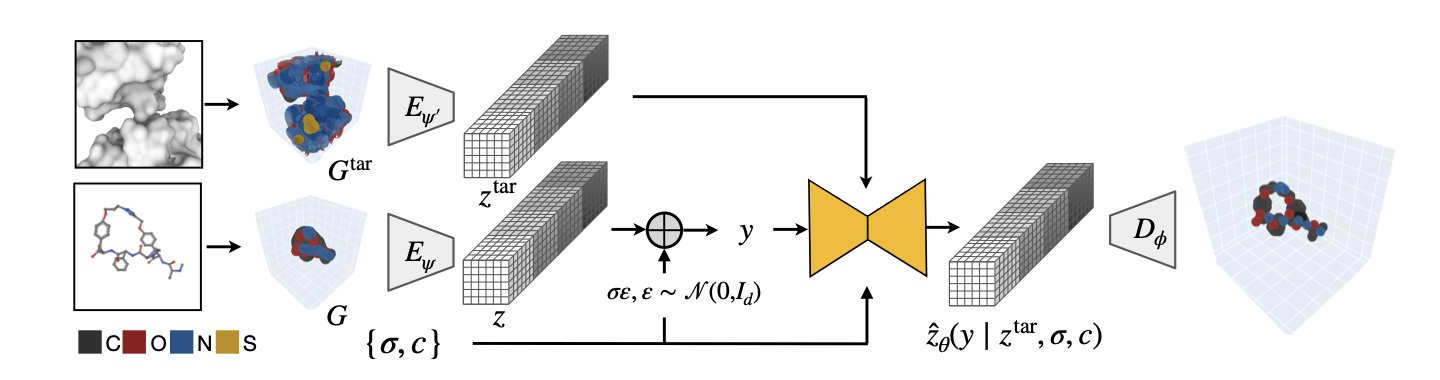
Neural Fields for Unified Molecule Generation: A Unified Theory for AI Drug Design?
Neural Fields
FuncBind
Drug Design
Molecule Generation
Multimodal
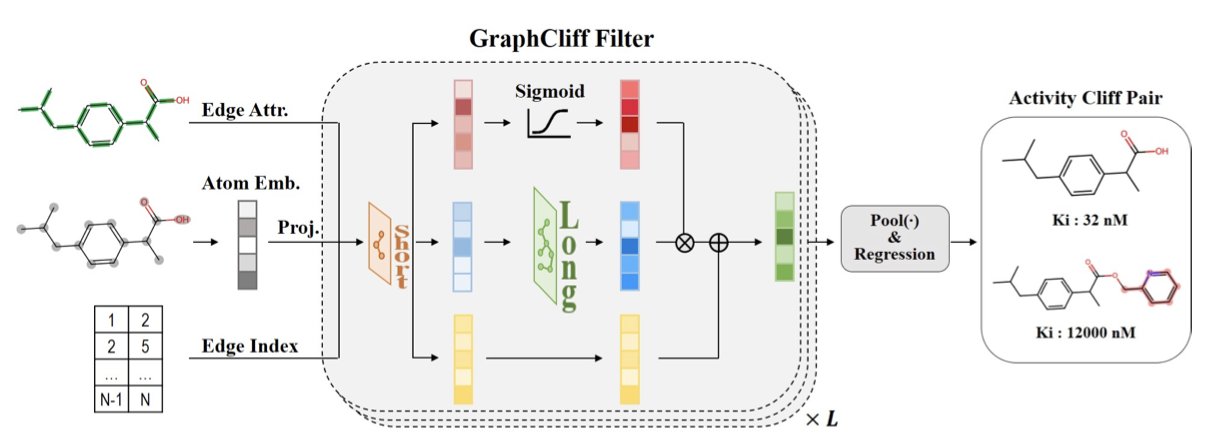
GraphCliff: A New Graph Neural Network for Predicting Activity Cliffs
Activity Cliffs
Graph Neural Network
Drug Discovery
Gating Mechanism
QSAR
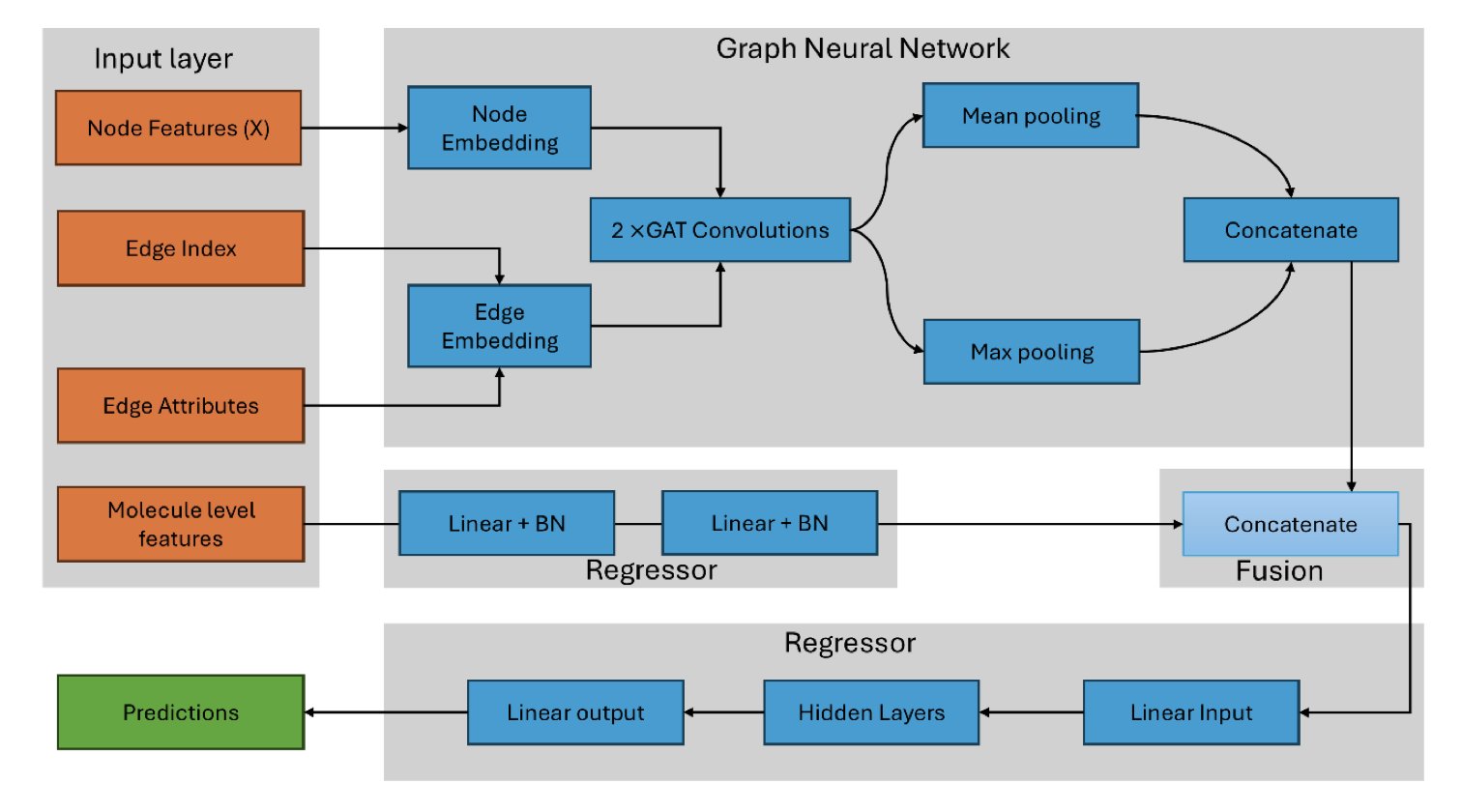
Atomic Hybridization Empowers GNNs for More Accurate Drug Target Prediction
Graph Neural Network
Atomic Hybridization
Drug Target Prediction
Molecular Descriptors
Computer-Aided Drug Discovery
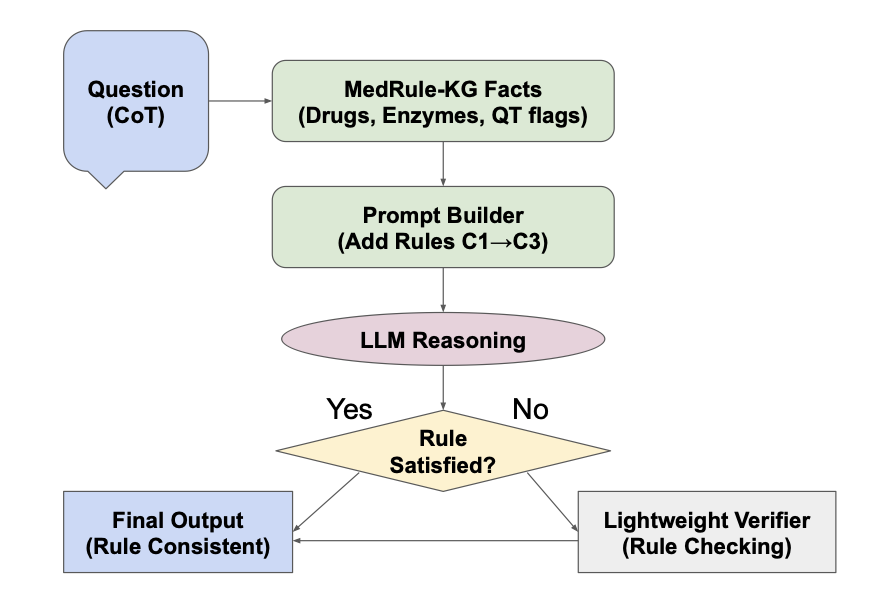
MedRule-KG: Adding ‘Logic Guardrails’ to AI Drug Discovery
MedRule-KG
Knowledge Graph
Large Language Model
Neuro-symbolic AI
Drug Discovery
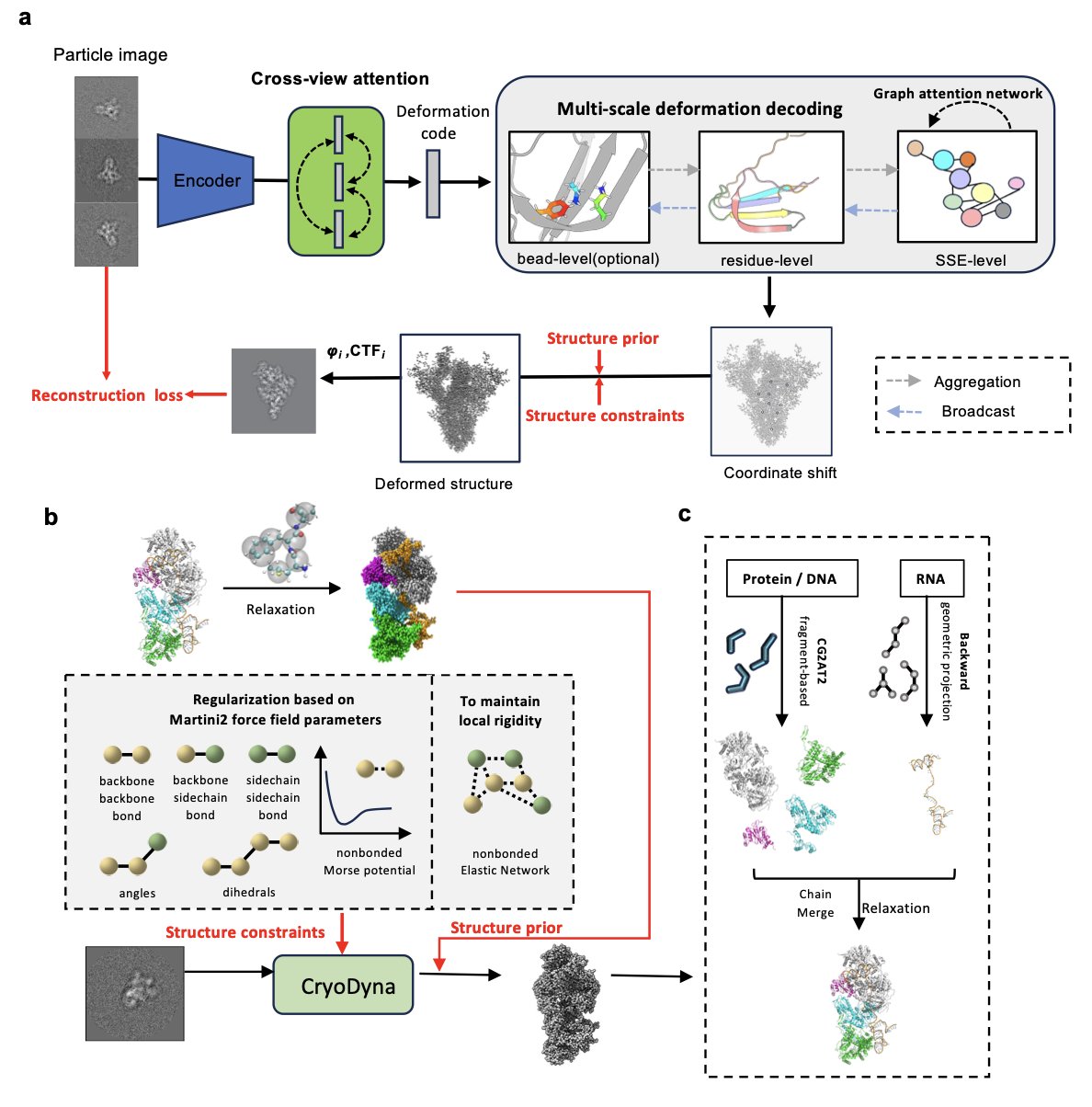
CryoDyna: Turning Cryo-EM Stills into a Dynamic Movie of Proteins
CryoDyna
Cryo-EM
Protein Dynamics
Deep Learning
Structural Biology
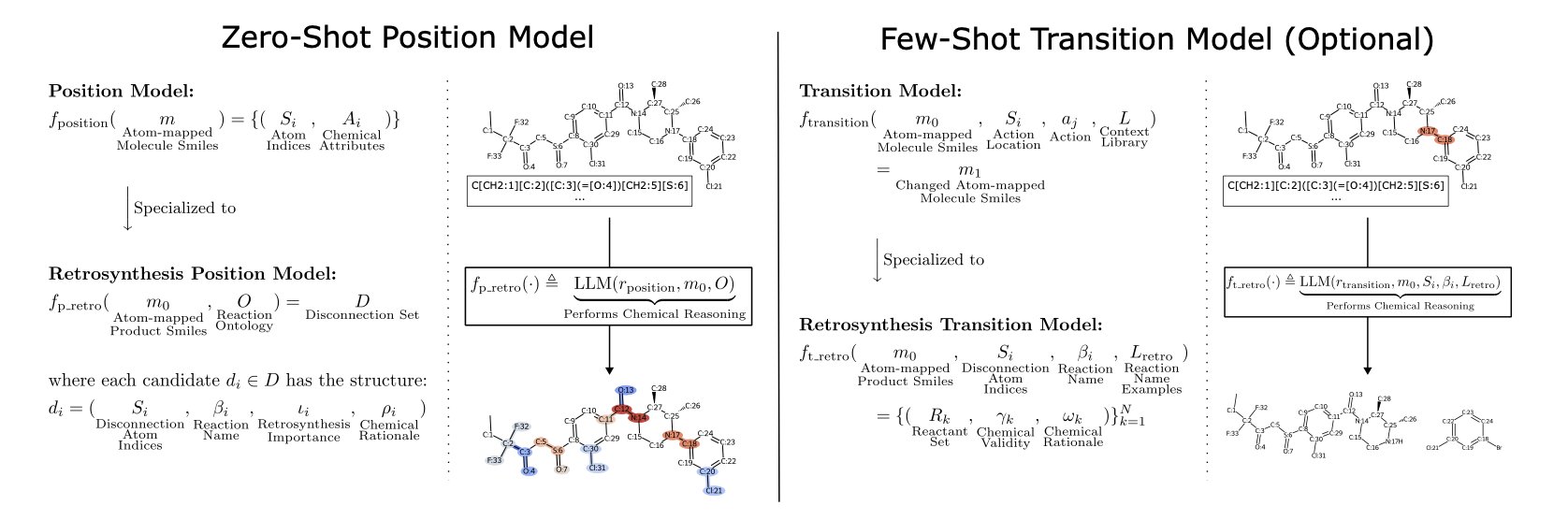
A New Way to Use Large Models: Atom-Level Reasoning for Retrosynthesis
Retrosynthesis
Large Language Models
Atom-Anchoring
Chemical Reasoning
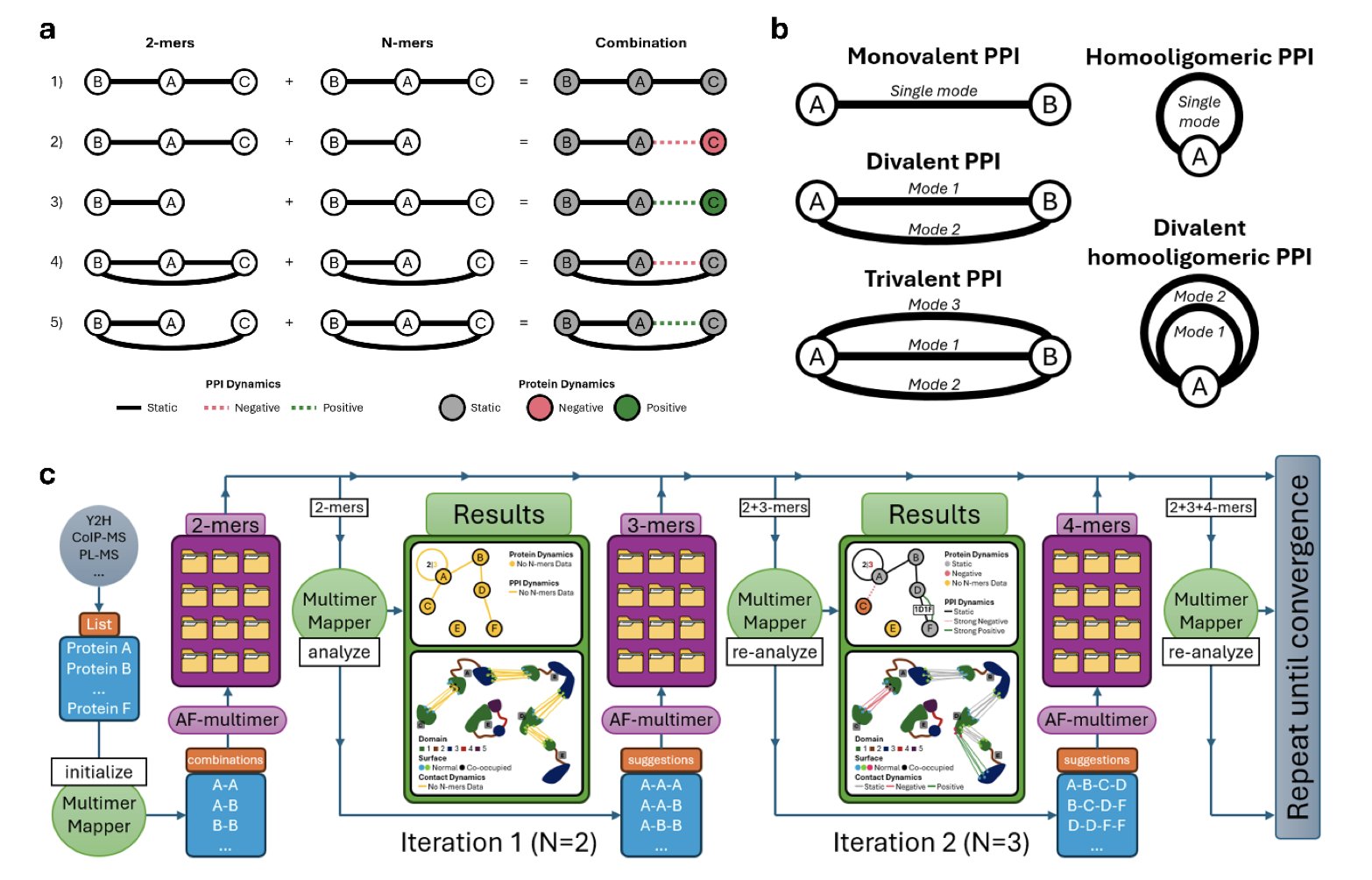
AI Protein Complex Prediction: From Still Snapshots to a Dynamic Movie
MultimerMapper
AlphaFold
Protein Structure Prediction
Stoichiometry Inference
Bioinformatics
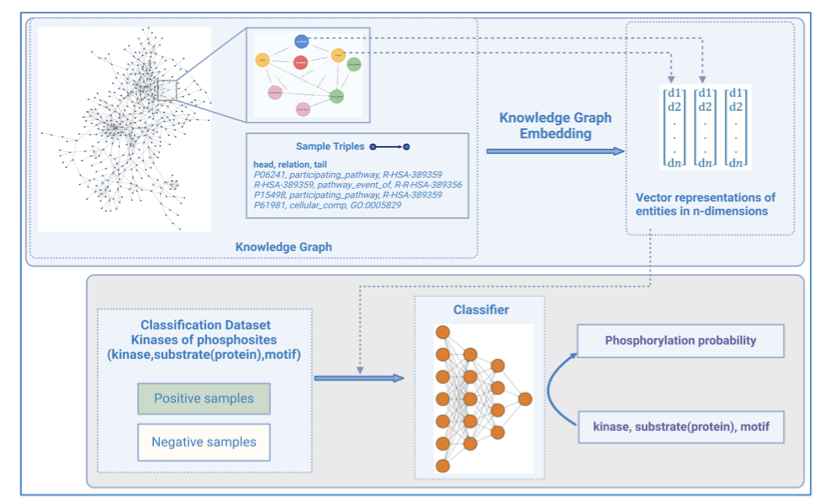
KSMoFinder: Knowledge Graphs Predict Kinases Better Than Large Protein Models
Knowledge Graph
Kinase Prediction
Deep Learning
Drug Development
Bioinformatics
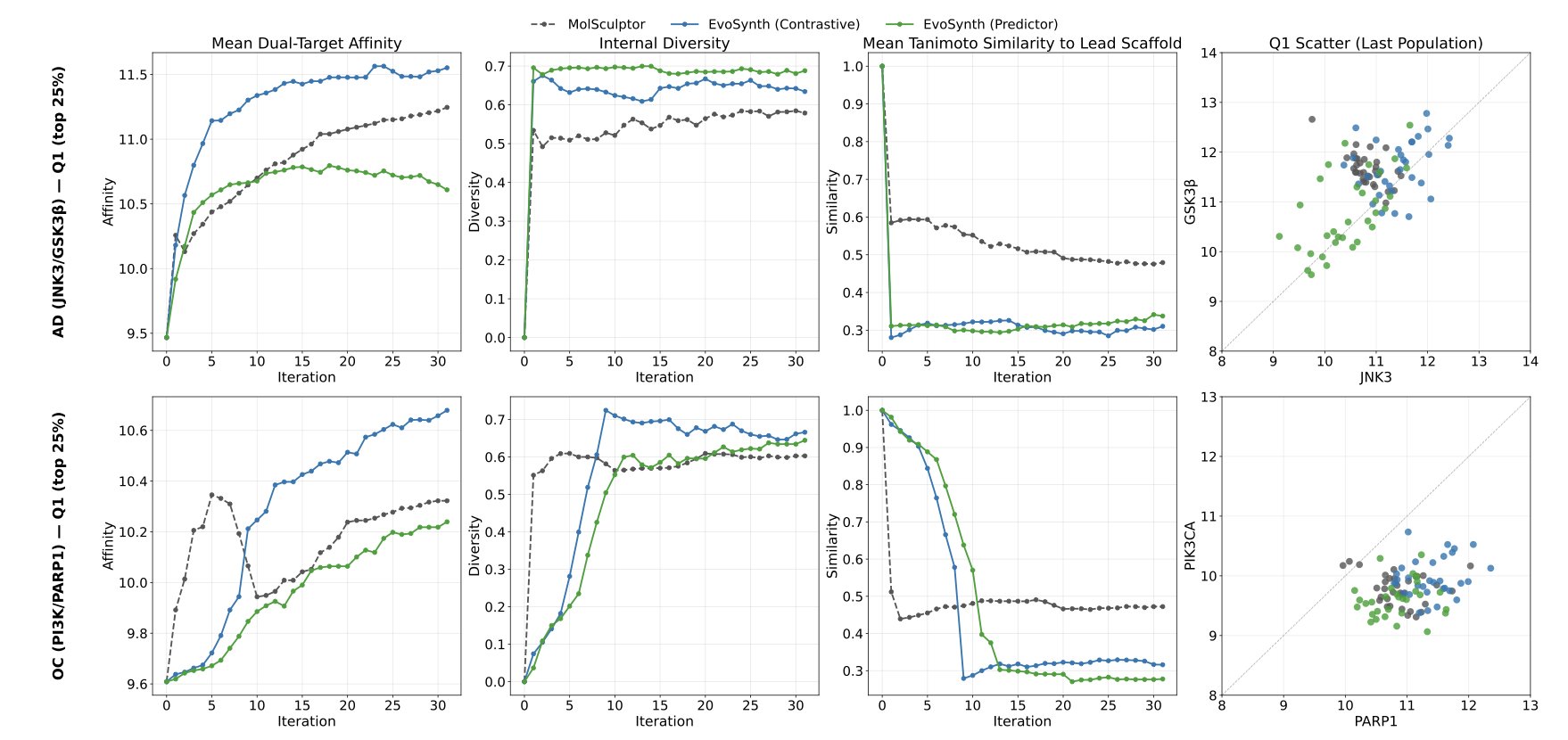
A New AI Framework for Multi-Target Drug Discovery: Balancing High Activity and Synthesizability
AI Drug Discovery
Multi-Target Drug Design
Evolutionary Algorithms
EVOSYNTH
Synthesizability
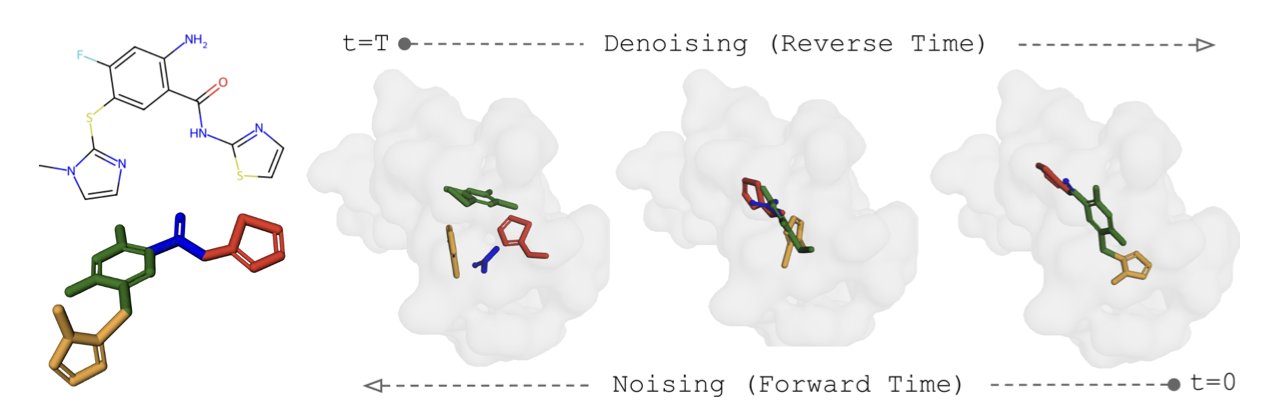
SIGMADOCK: Rethinking Molecular Docking with a Fragment Diffusion Model
Molecular Docking
Diffusion Model
Deep Learning
Drug Discovery
SE(3) Equivariance
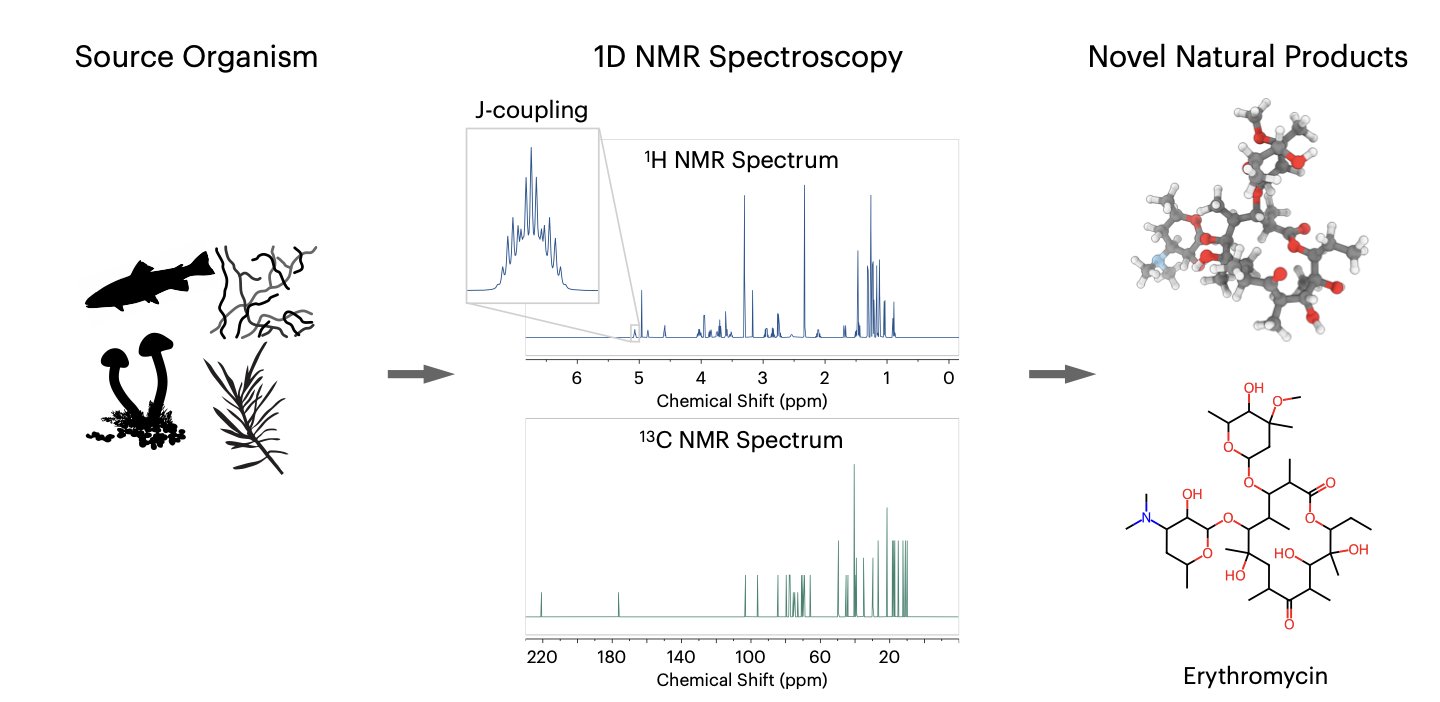
A New Way for AI to Read NMR: The CHEFNMR Atomic Diffusion Model
AI
Drug Development
NMR
CHEFNMR
Atomic Diffusion Model
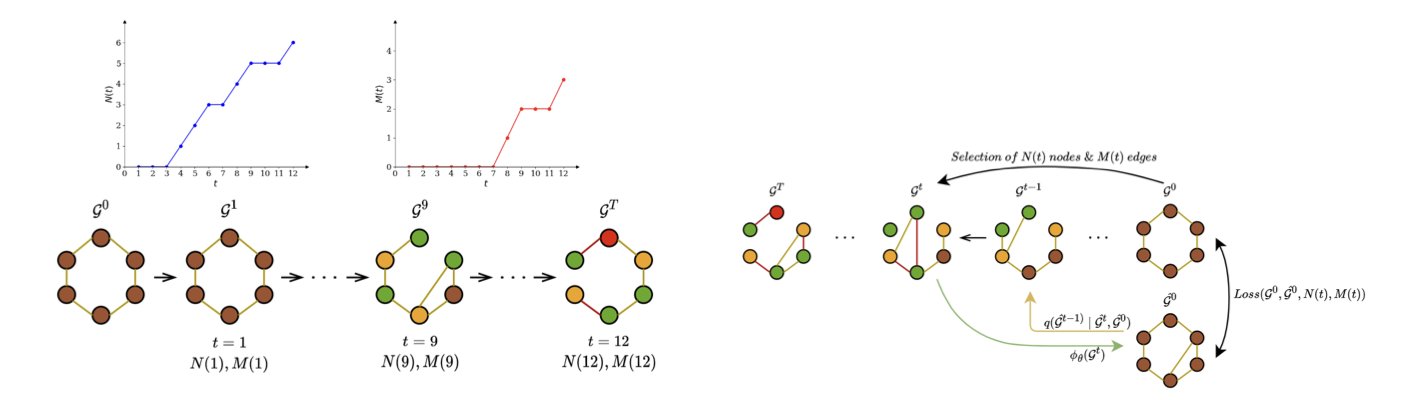
DMol: Generate Molecules 10x Faster While Keeping Key Chemical Motifs
DMol
Graph Diffusion Model
Motif Compression
Drug Discovery
Generative AI
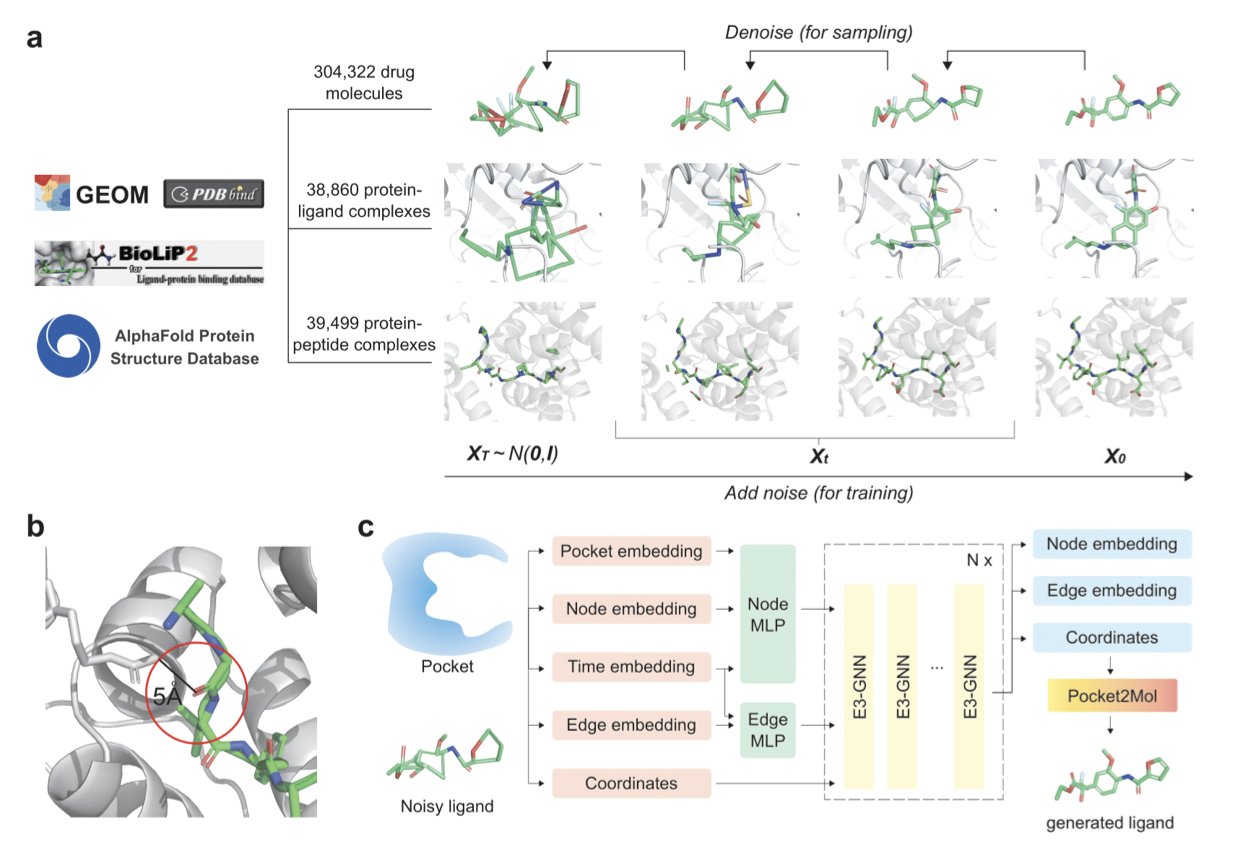
Peptide2Mol: AI Directly Generates Small Molecules that Mimic Peptides for Targeted Protein Binding
Peptide2Mol
Diffusion Model
Drug Discovery
Small Molecule Generation
AI for Science
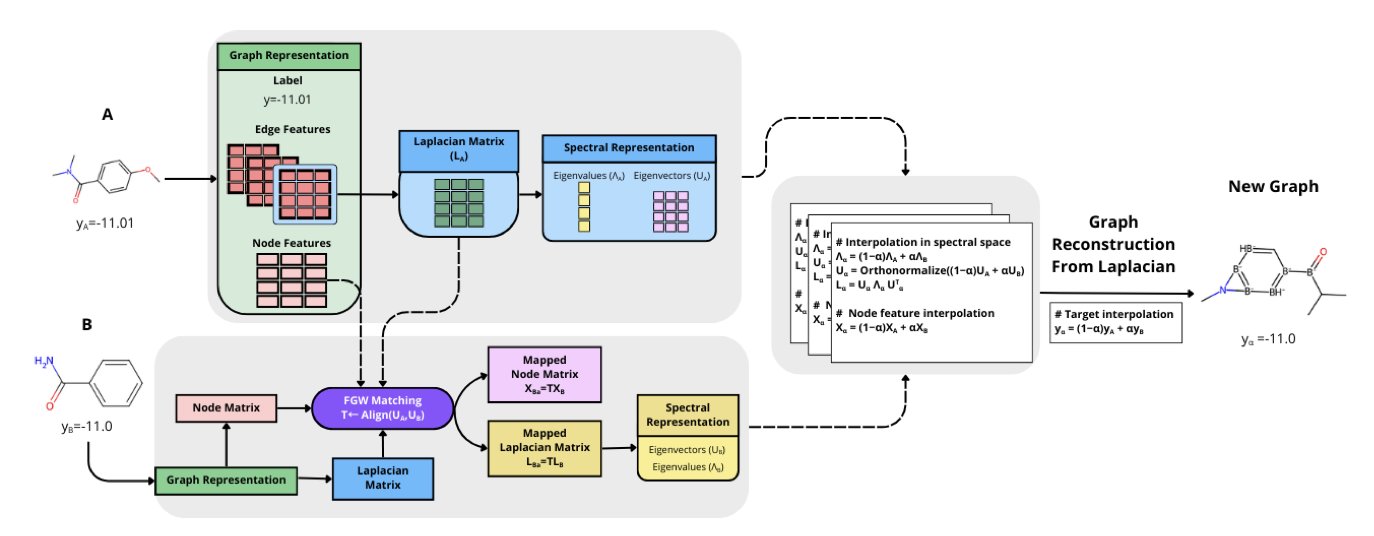
AI Drug Discovery: Using ‘Ghost Molecules’ to Fill in Sparse Data
SPECTRA
Drug Discovery
Data Augmentation
Molecular Property Prediction
Generative Models
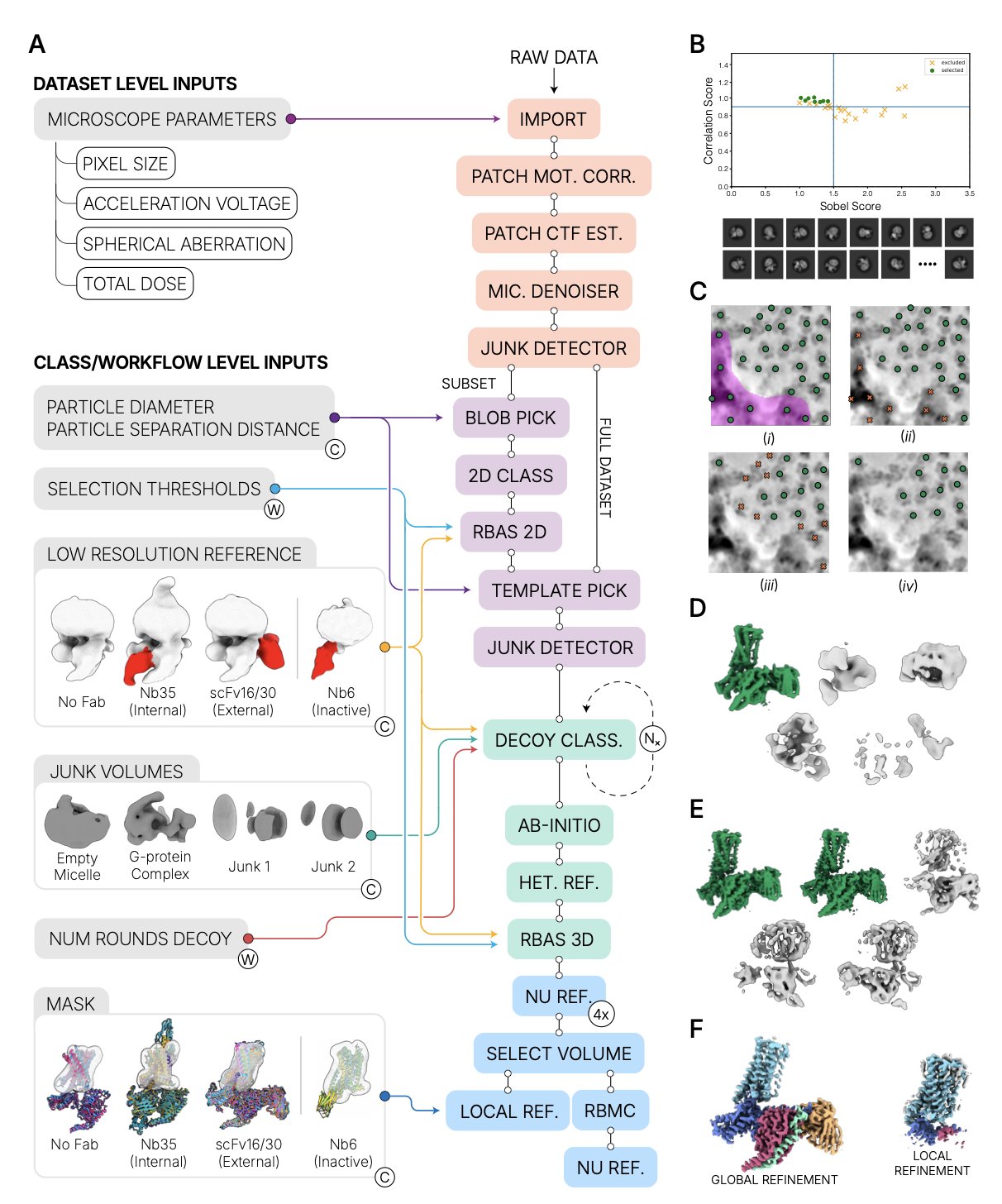
Cryo-EM Automation: CryoSPARC Makes High-Throughput Drug Discovery a Reality
Cryo-EM
CryoSPARC
Structural Biology
Drug Discovery
Automated Workflow
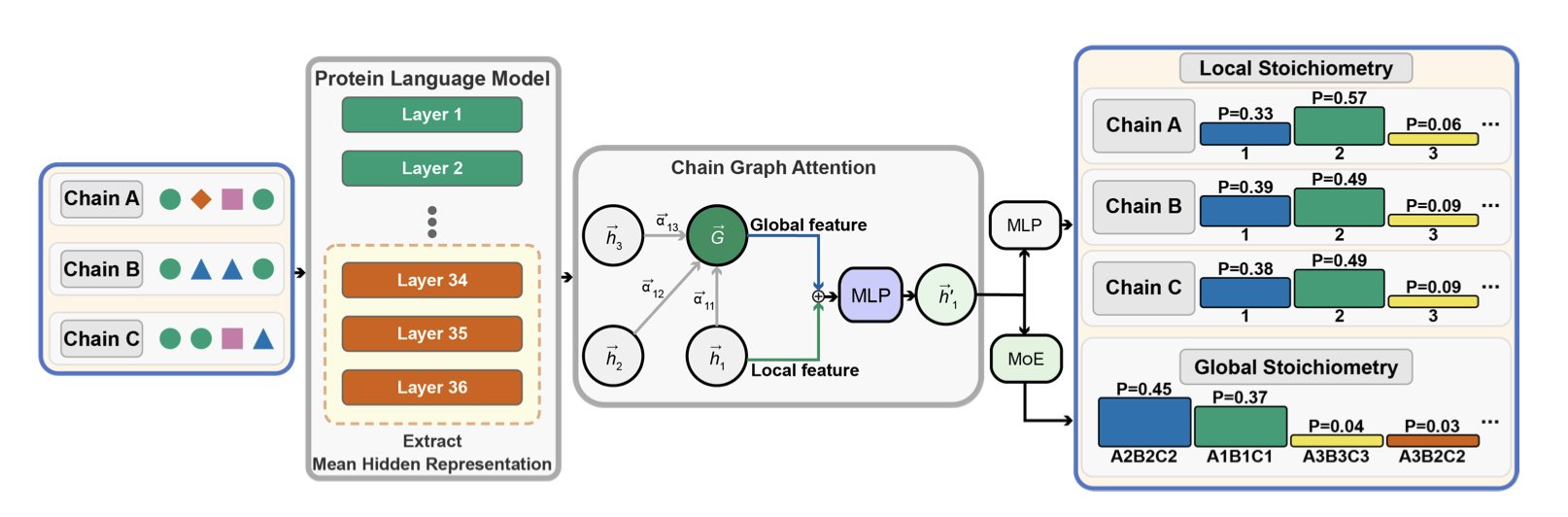
StoPred: AI Accurately Predicts the ‘Recipe’ for Protein Complexes
Stoichiometry Prediction
Protein Complex
Protein Language Model
Graph Attention Network
AI-aided Drug Discovery
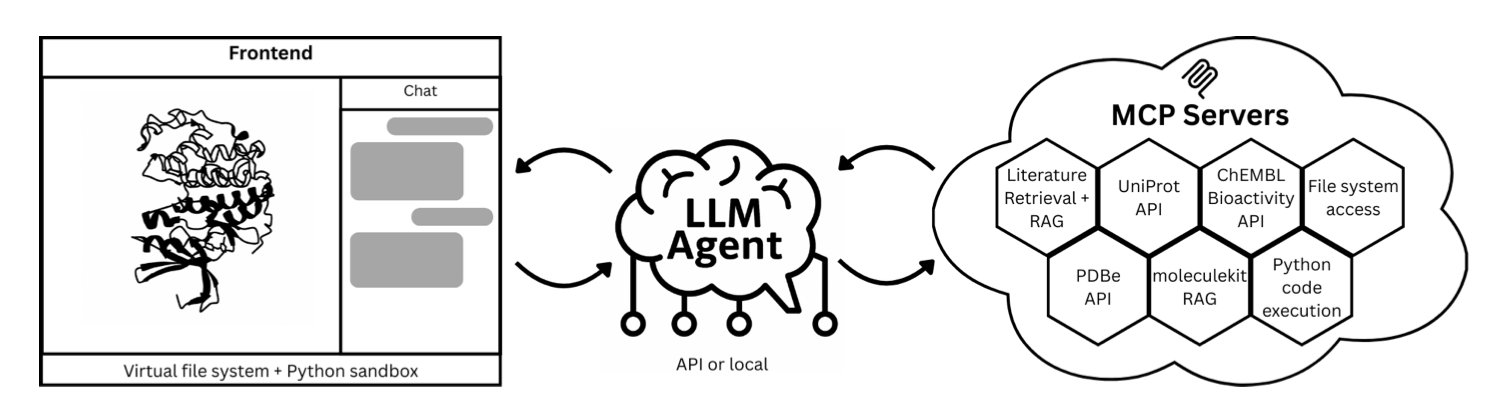
New AI Tool: Analyze Proteins Like a Conversation with Real-Time 3D Interaction
Protein Structure Analysis
Large Language Model (LLM)
Natural Language Processing
Retrieval-Augmented Generation (RAG)
3D Visualization
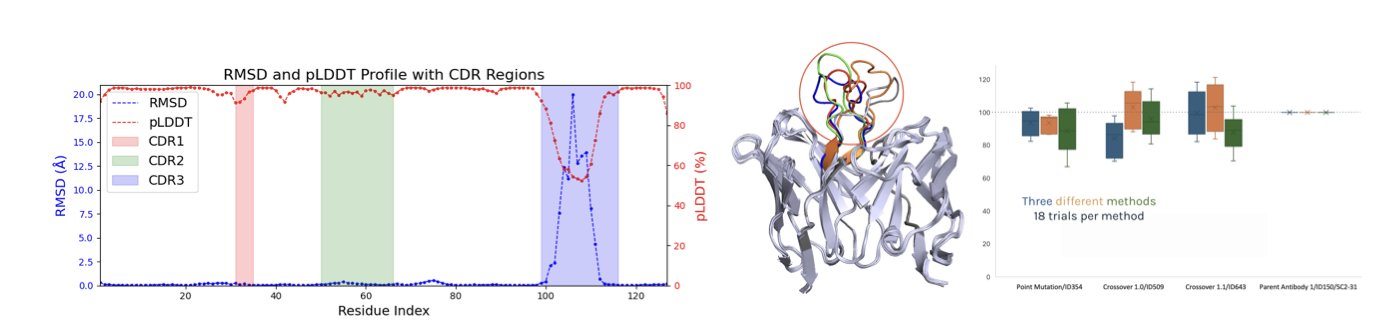
A New Way for AI to Discover Antibodies: Solving the Protein ‘Shape-Shifting’ Problem
Antibody Discovery
Conformational Uncertainty
Active Learning
Deep Neural Networks
Drug Design
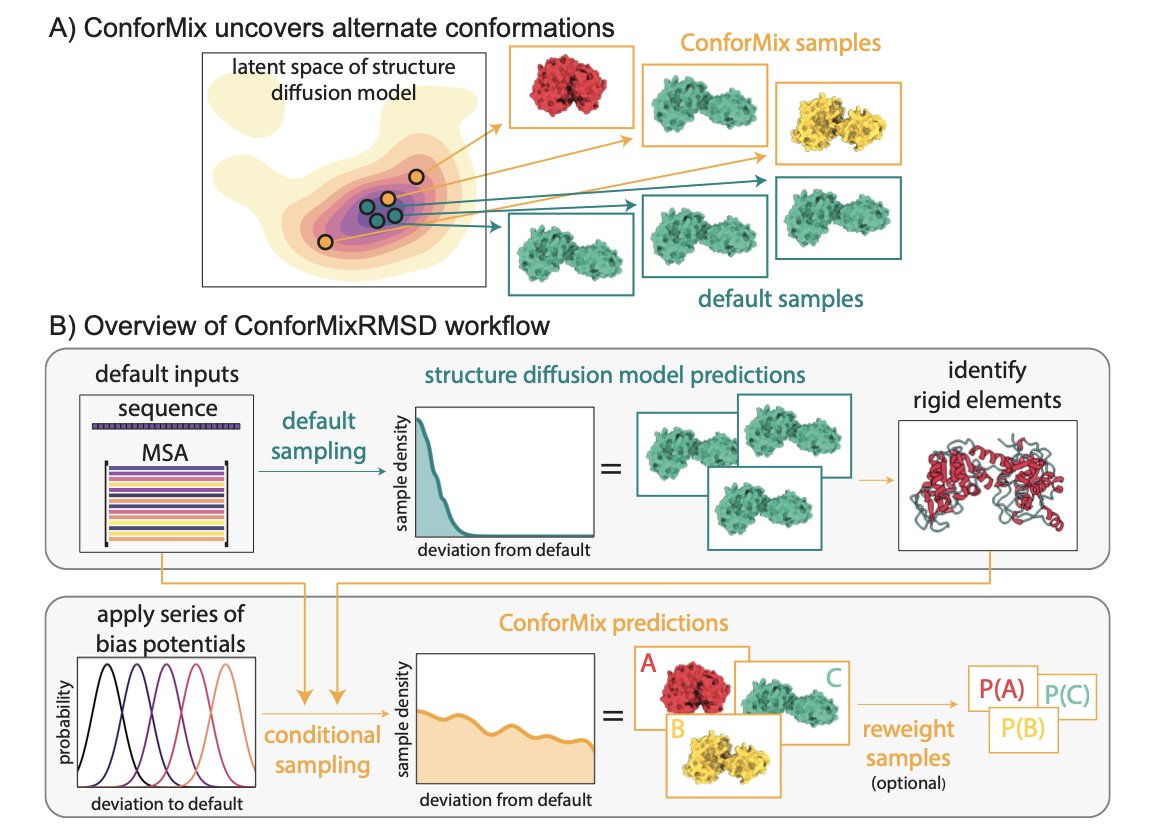
ConforMix: Unlocking Hidden Biomolecular Shapes at AI Inference Time
ConforMix
Diffusion Models
Molecular Conformation
Allosteric Pockets
Computer-Aided Drug Discovery
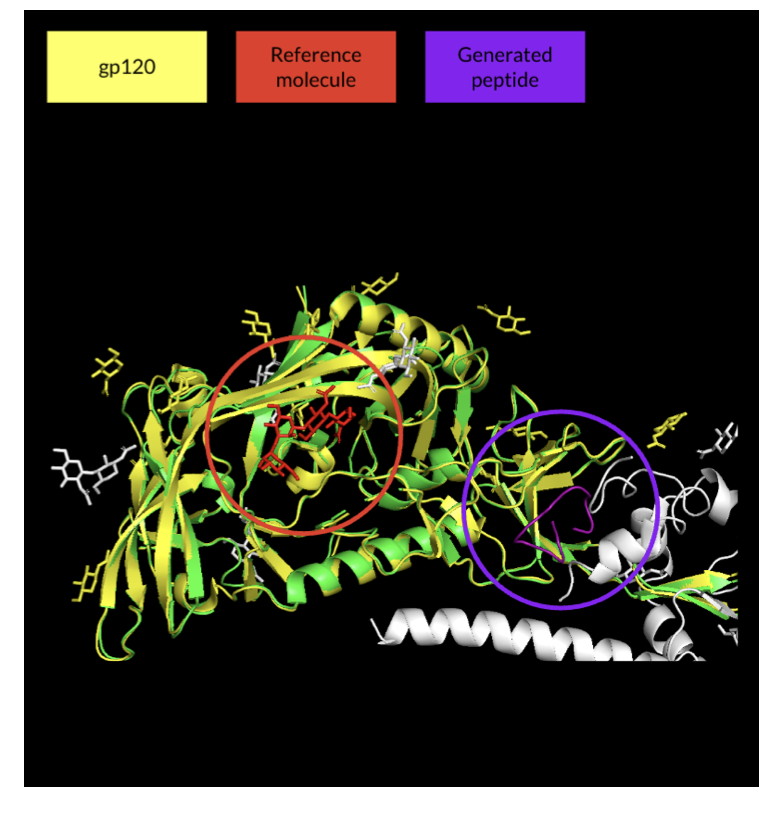
Tuning AlphaFold: Precisely Designing Cyclic Peptides to Hit HIV Targets
Cyclic Peptide Design
AlphaFold
Drug Discovery
Protein-Protein Interaction
HIV
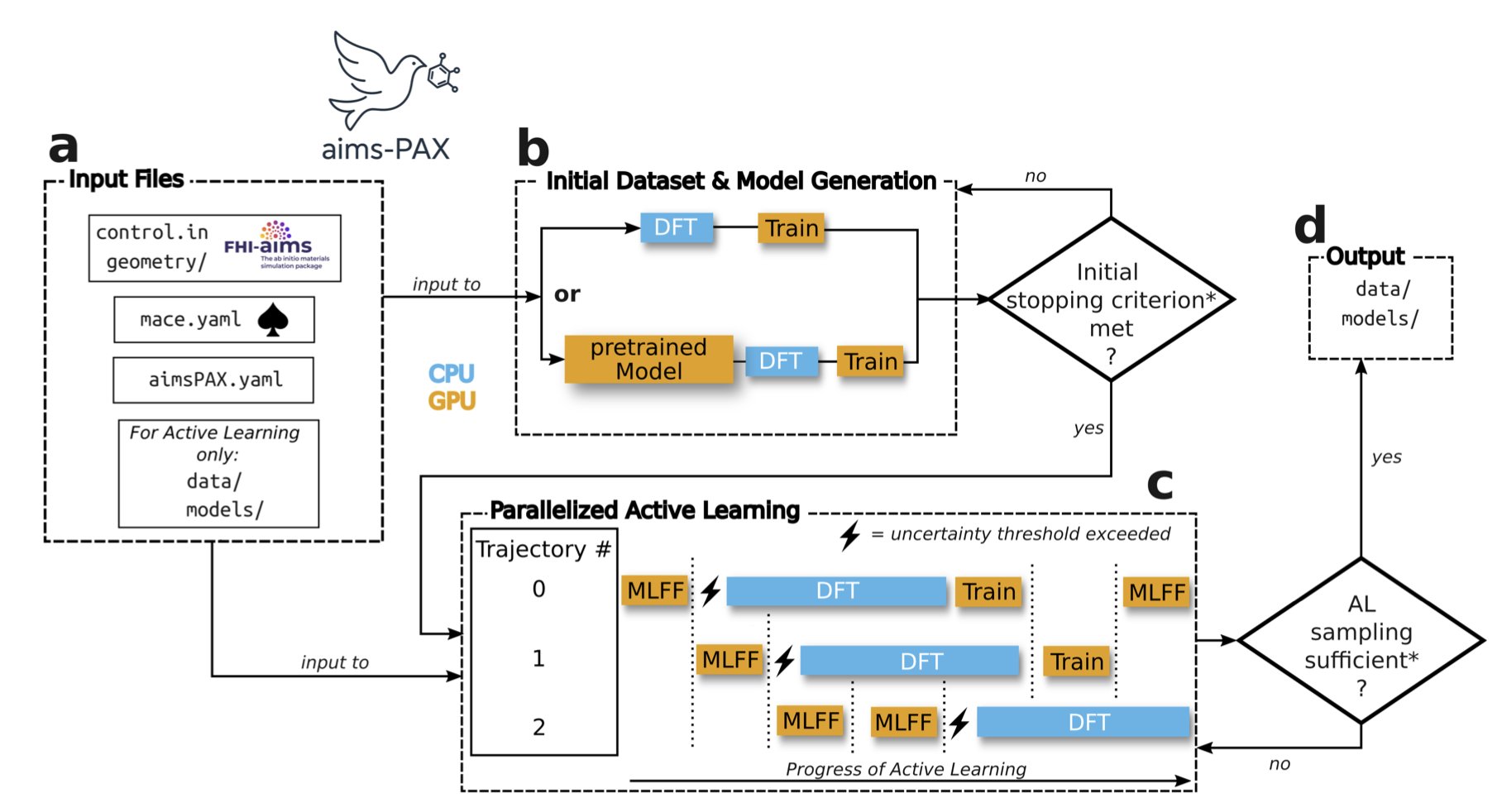
AIMS-PAX: A 1000x Faster Way to Build Force Fields, and a New Paradigm for AI Simulation
Machine Learning Force Fields
Molecular Dynamics
Active Learning
Density Functional Theory
Computational Chemistry
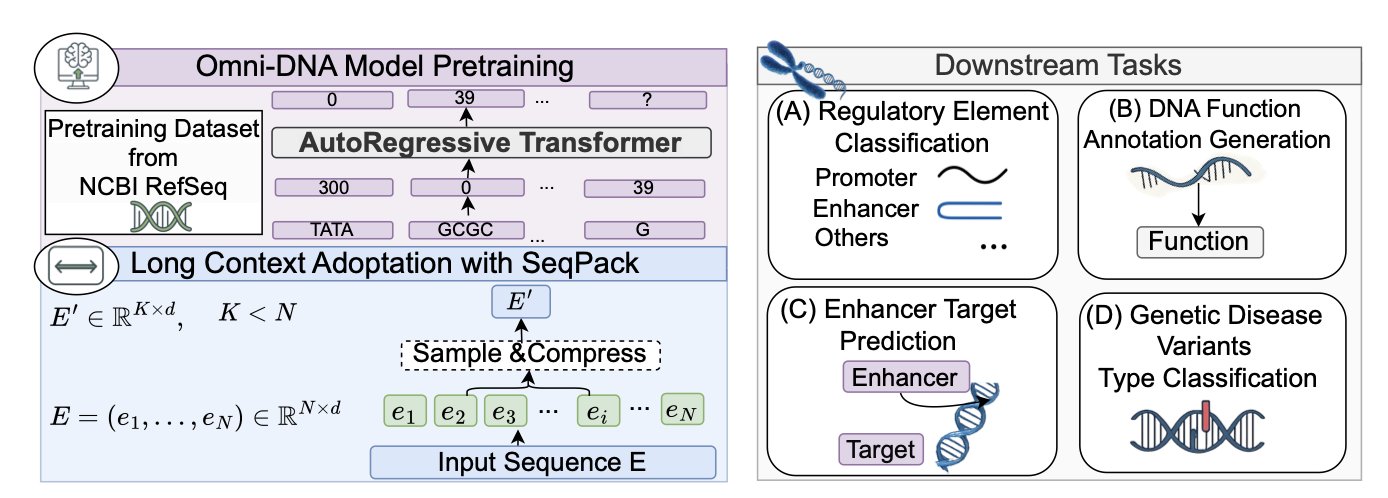
Omni-DNA: AI Reads DNA, Unlocking the Long Narrative of the Genome
Omni-DNA
Genomics
Natural Language Processing
DNA Sequence Analysis
Multi-task Learning
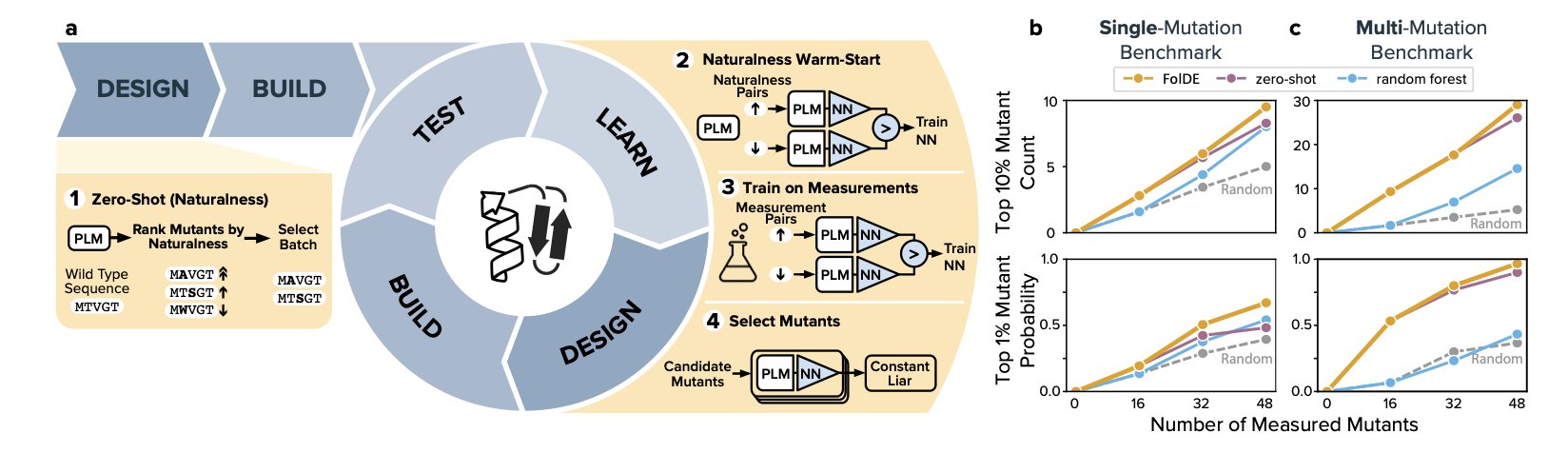
FolDE: Efficiently Optimizing Protein Activity with Limited Data
Active Learning
Protein Engineering
Directed Evolution
Language Models
Cold Start Problem
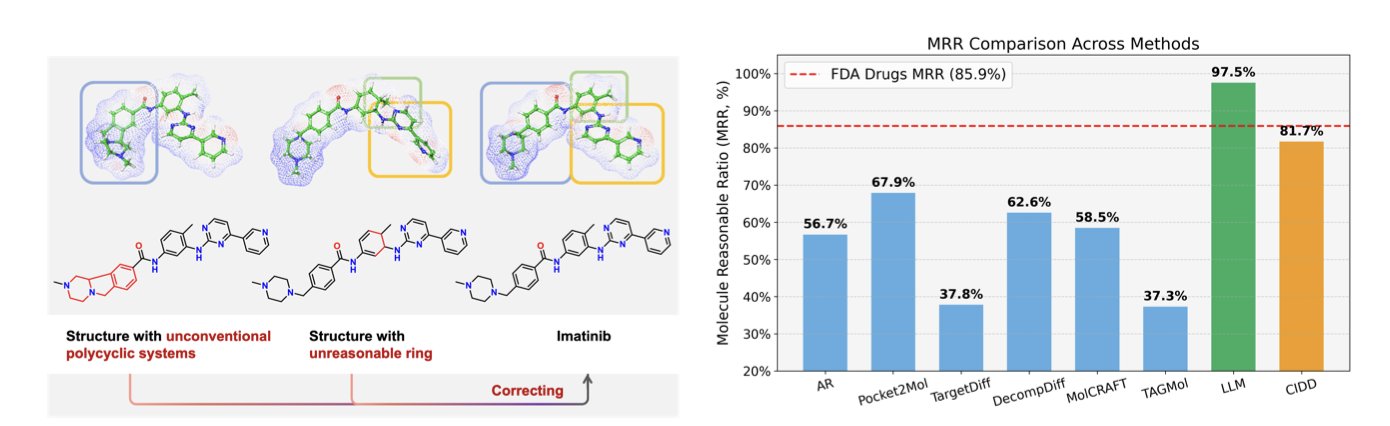
The CIDD Framework: Using LLMs to Design Molecules Like a Veteran Medicinal Chemist
Drug Design
Large Language Models
CIDD
Chain-of-Thought
Molecule Generation
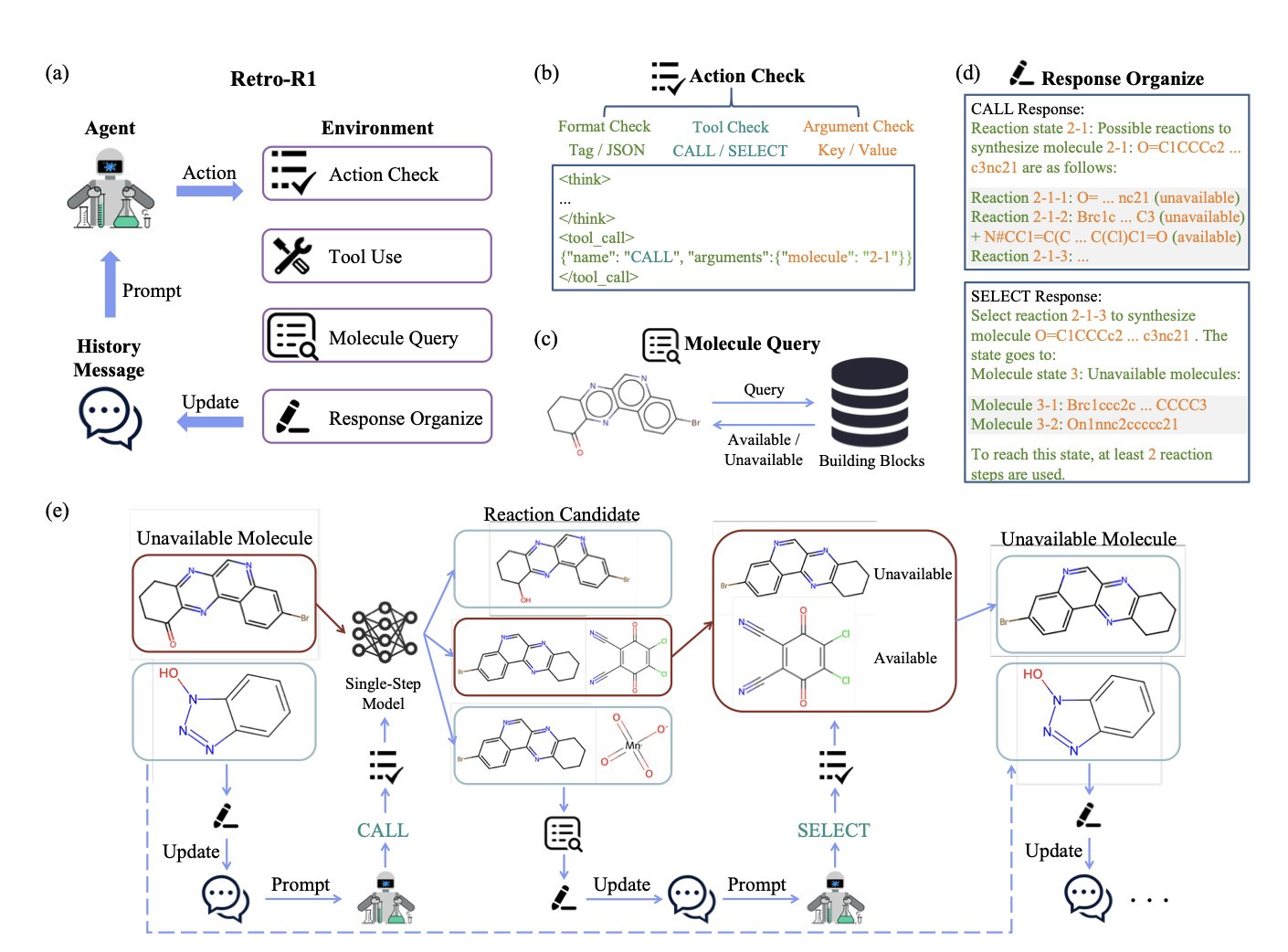
RETRO-R1: Optimizing Retrosynthesis with Large Language Models and Reinforcement Learning
AI Agents
Retrosynthesis
Reinforcement Learning
Large Language Models
Drug Development
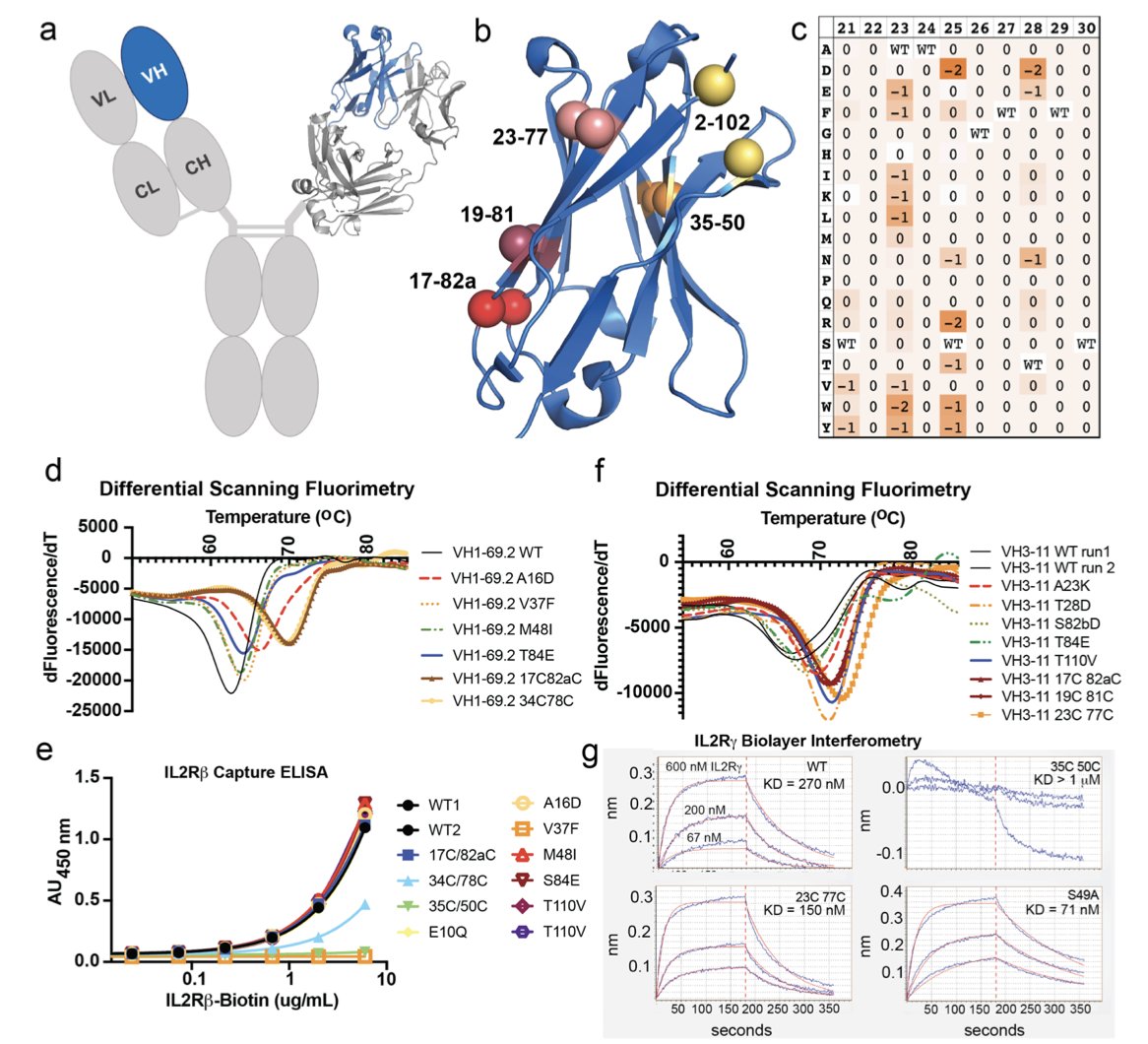
Computationally Designing Stable VH Domains to Develop Conditionally Active Multispecific Drugs
VH Domain
Antibody Engineering
Computational Design
Rosetta
Multispecific Biologics
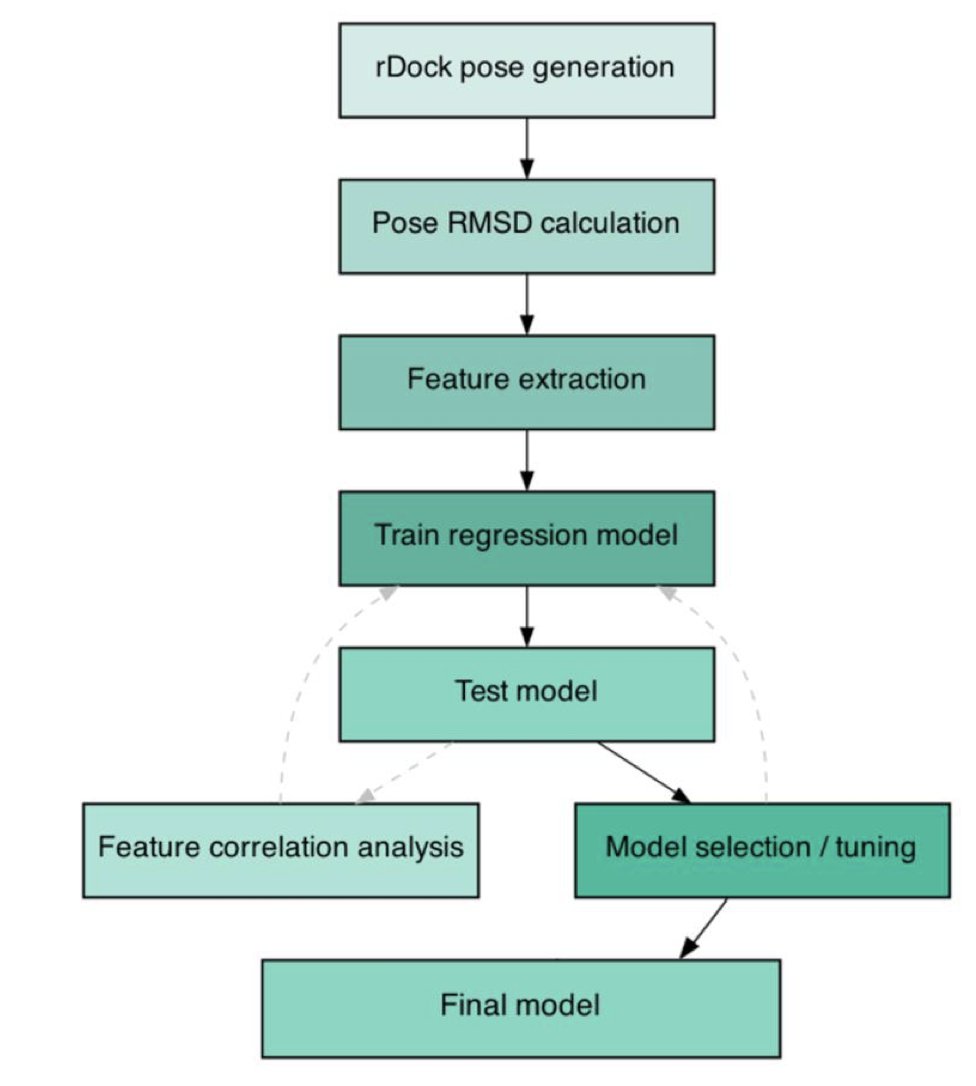
Machine Learning Masters RNA Docking: IRIS Tool Boosts Pose Prediction Accuracy
Machine Learning
RNA-Ligand Docking
Pose Re-ranking
Drug Discovery
Computational Chemistry
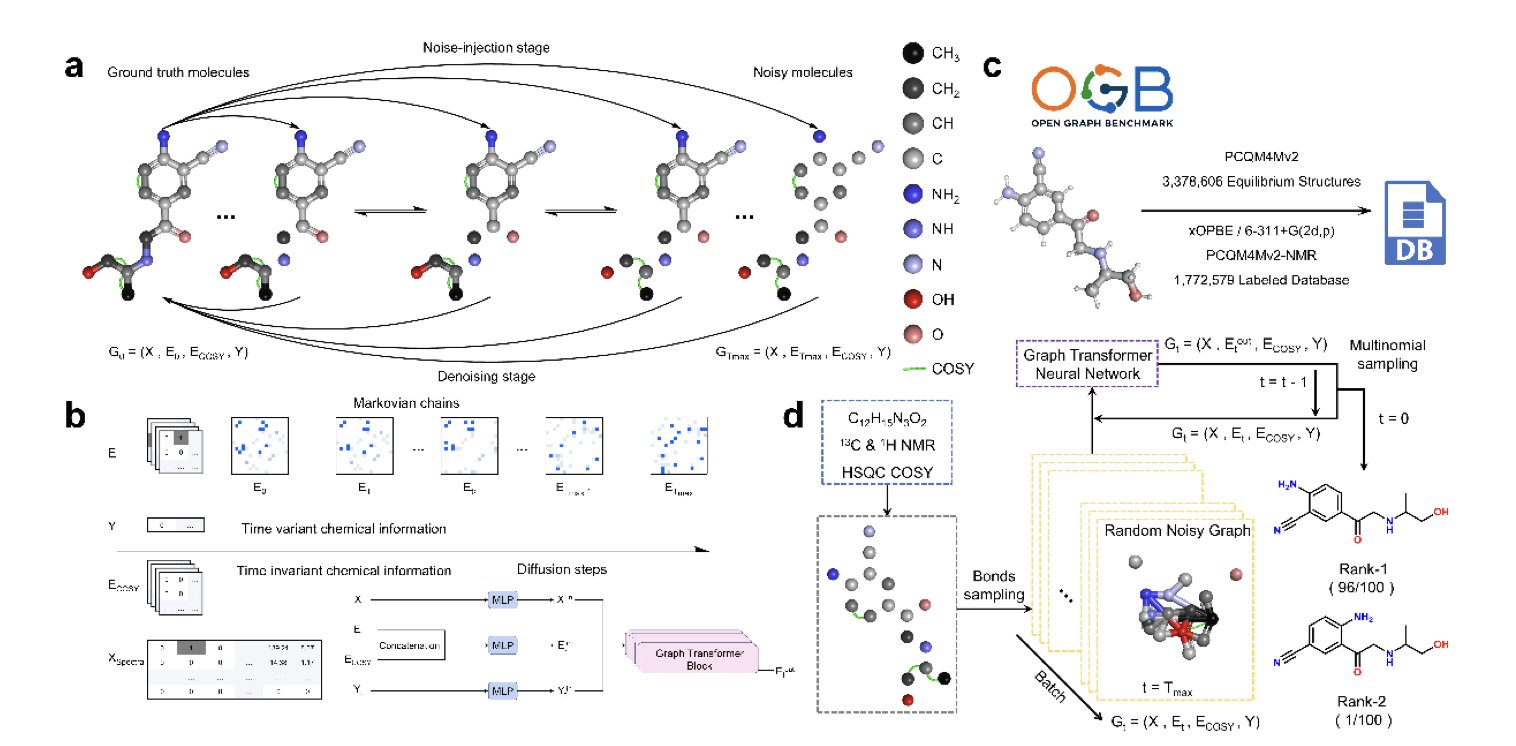
DiSE: AI Decodes Molecular Structures by Thinking Like a Chemist
DiSE Model
Diffusion Model
Structure Elucidation
NMR Spectroscopy
AI Chemistry
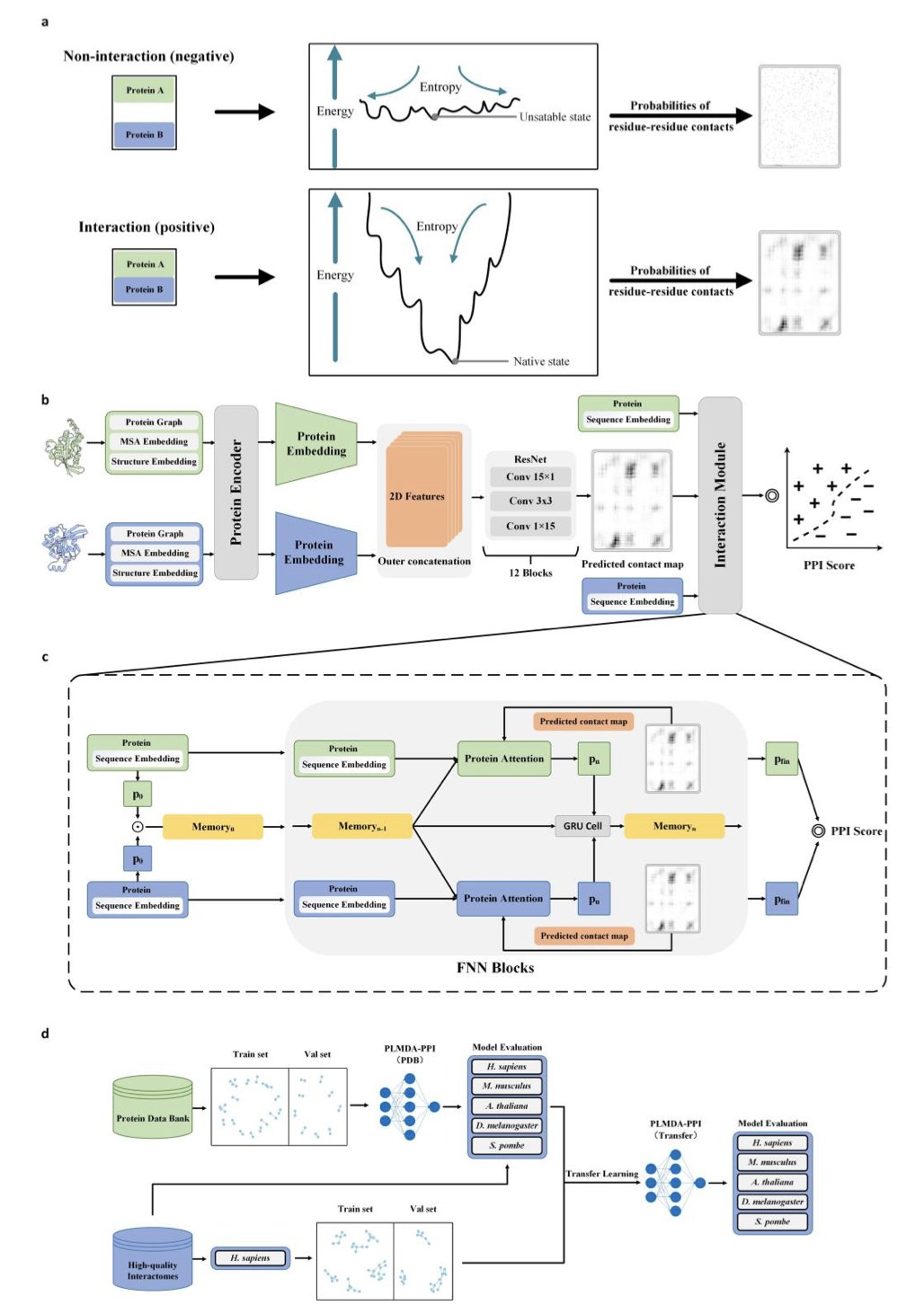
AI Predicts Protein Interactions: A Dual-Attention Mechanism Marks a New Step Forward
Protein-Protein Interaction
Dual-Attention Mechanism
PLMDA-PPI
Drug Discovery
Residue Contact Prediction
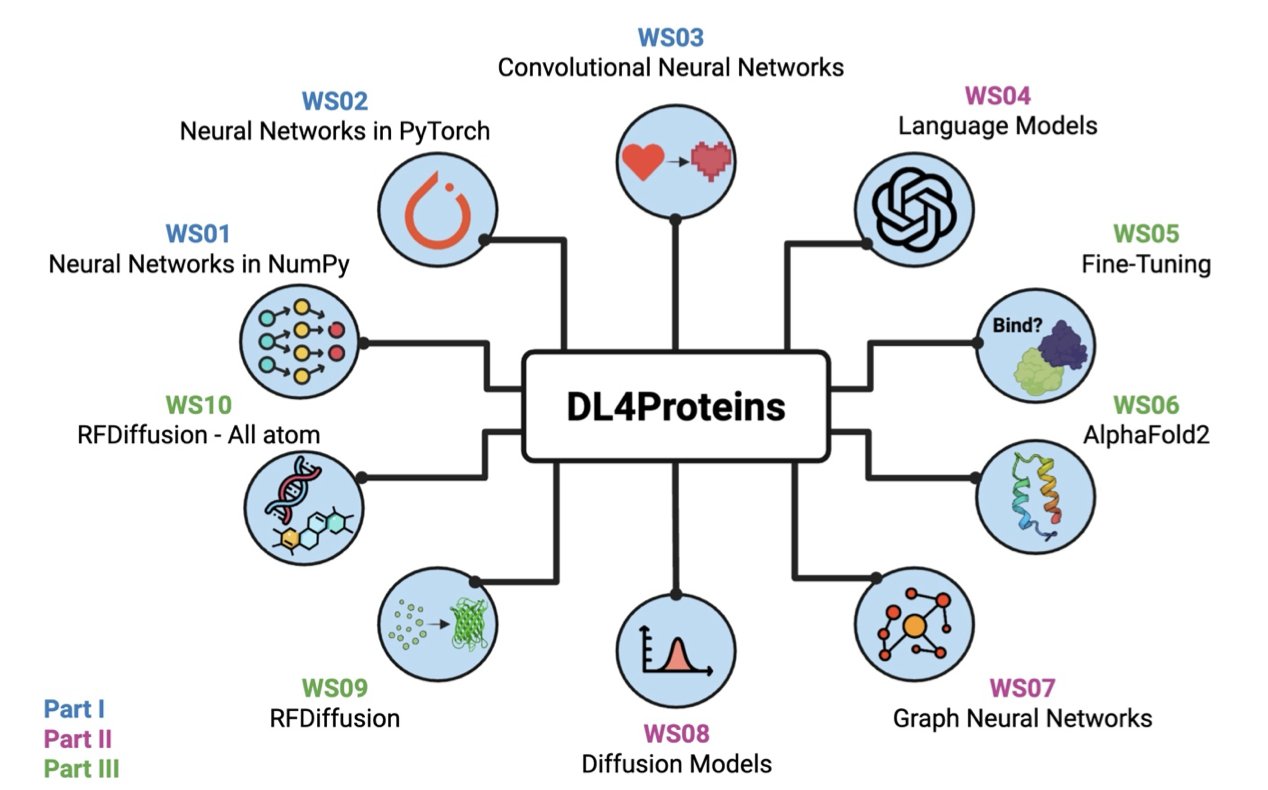
AI for Protein Design: Meet DL4Proteins, a Free Interactive Tutorial
DL4Proteins
Jupyter Notebook
Google Colab
Protein Design
AI Tutorial
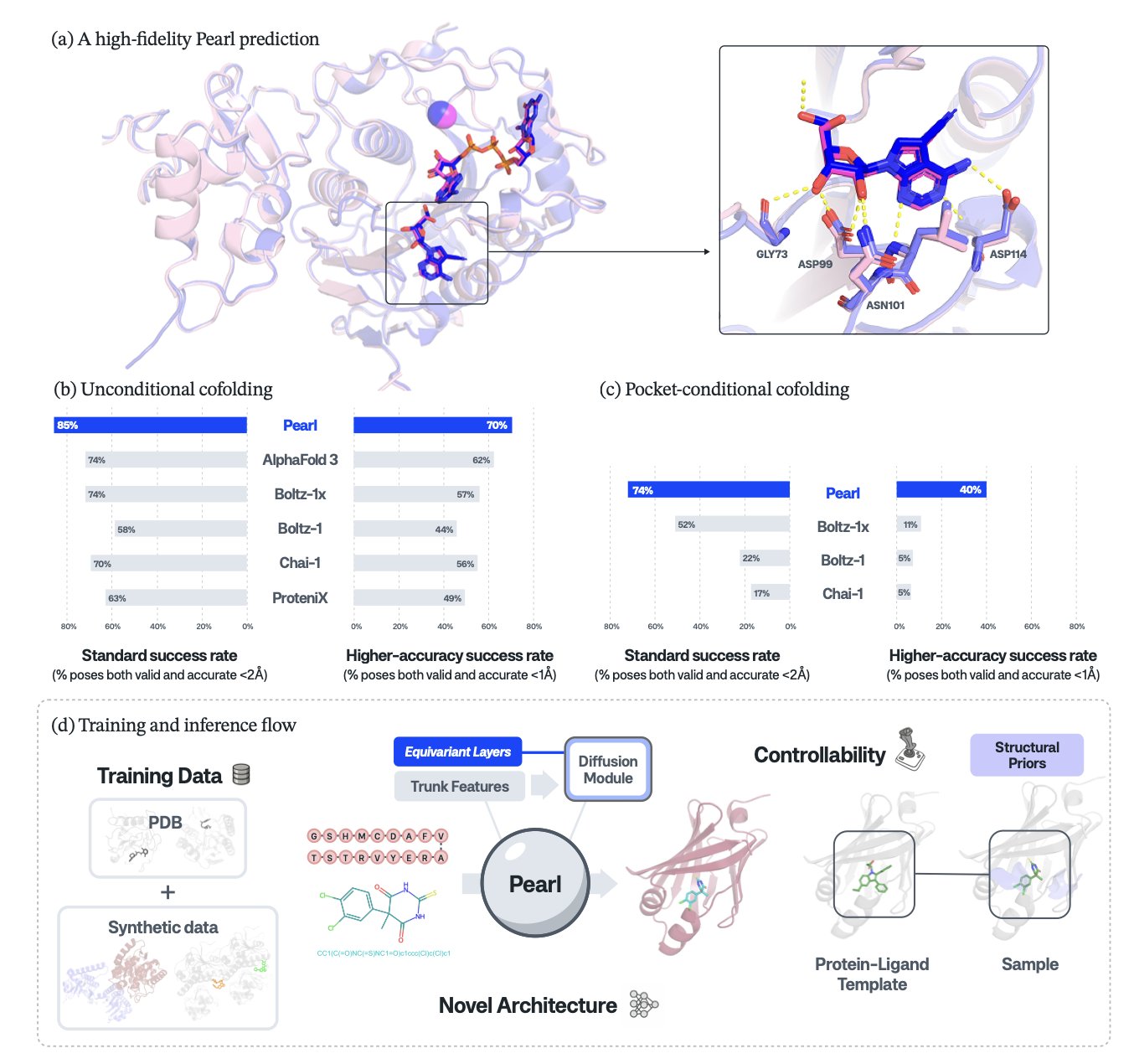
Pearl AI: Placing Every Atom with Precision, Surpassing AlphaFold 3
Molecular Docking
Drug Discovery
AI-Aided Drug Design
Protein Structure Prediction
Diffusion Models
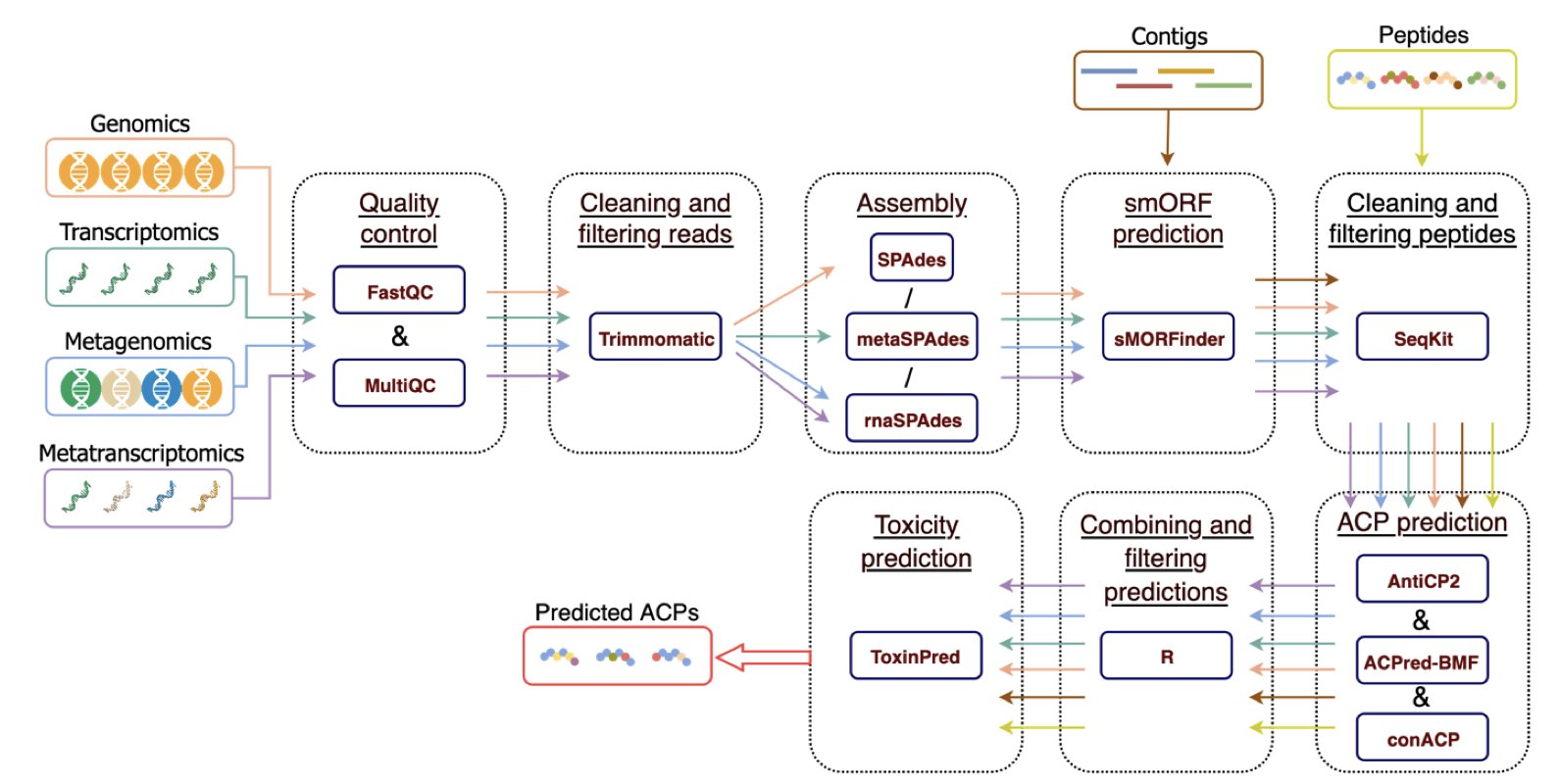
Mining the Microbiome: MetaPepticon Automates Anticancer Peptide Discovery
Anticancer Peptides
Bioinformatics
Microbiome
Drug Discovery
Automated Pipeline
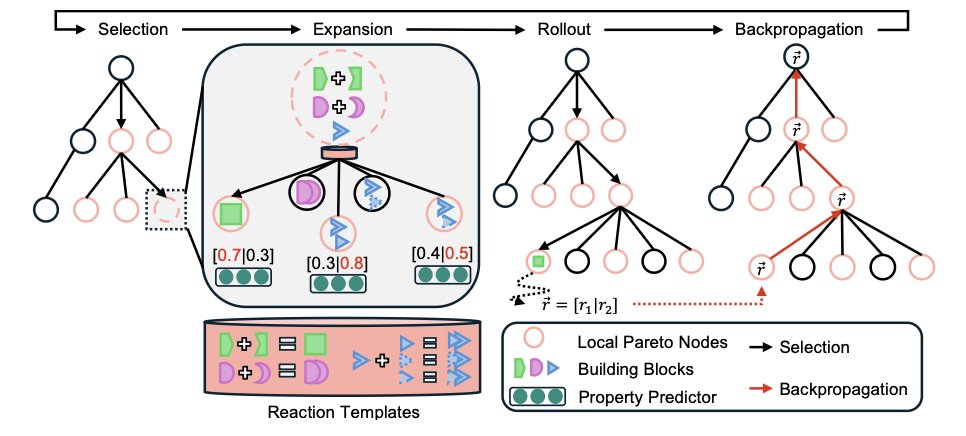
AI Generates Dual-Target Molecules and Guarantees They Can Be Made
dual-target drugs
multi-objective optimization
CombiMOTS
drug design
synthesizability
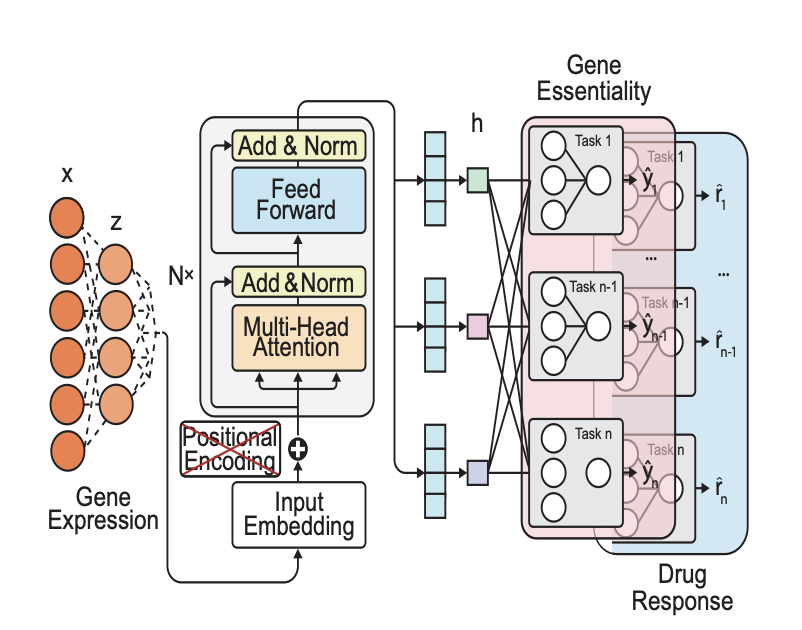
DeepVul: Predicting Drug Response with a Transformer, a New Path for Precision Medicine
Precision Medicine
Transformer
Drug Response Prediction
Transcriptome
Gene Essentiality
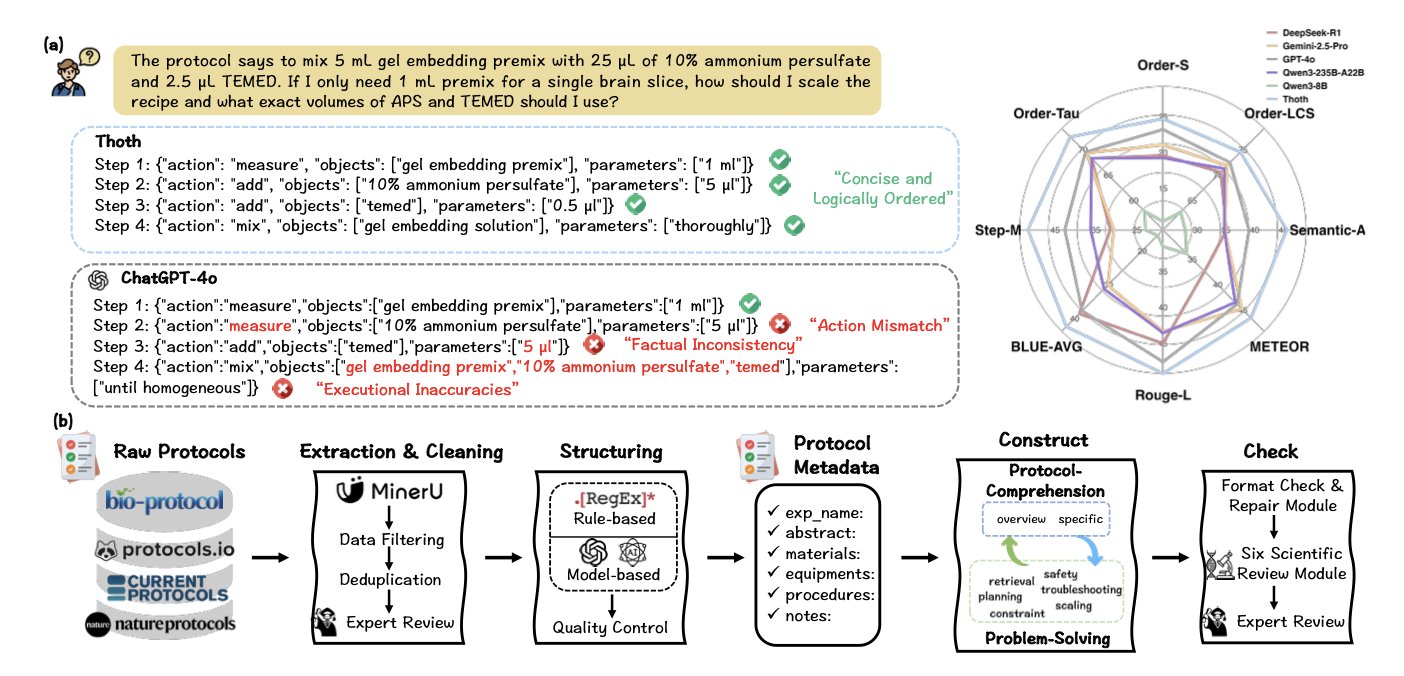
Thoth Framework Generates Biology Experiment Protocols with AI
Thoth Framework
AI Generation
Biology Experiment Protocols
Large Language Models
Structured Rewards
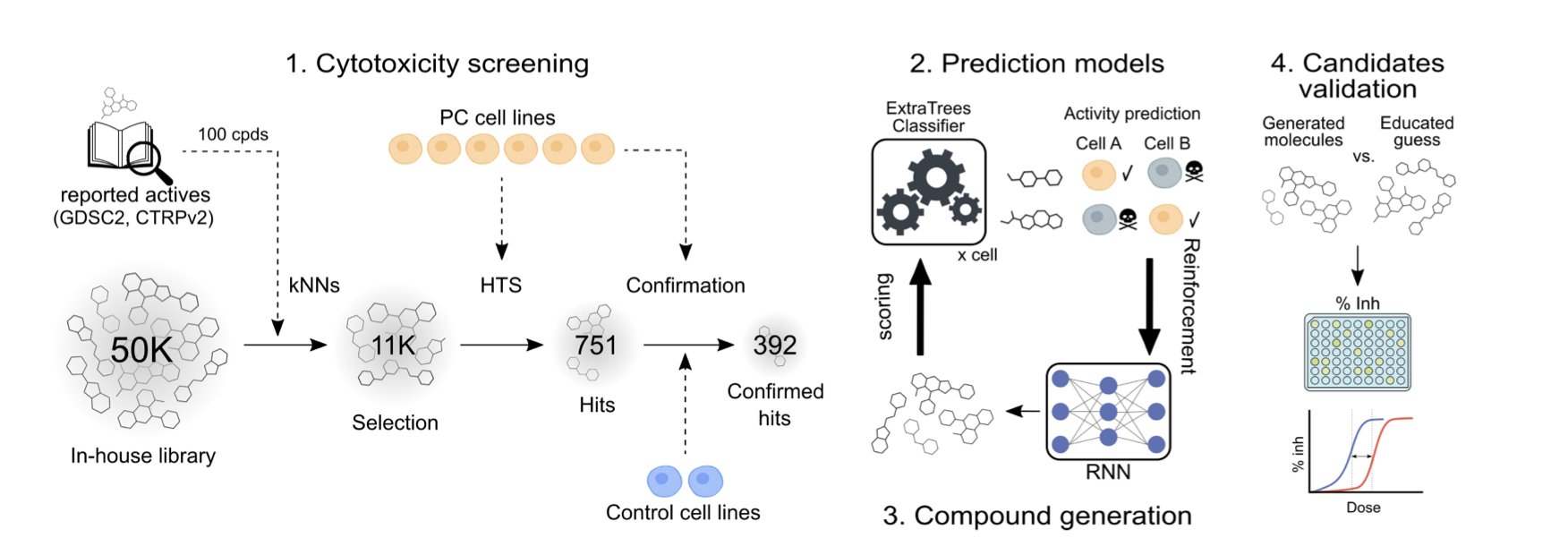
From Designing Anti-Cancer Molecules to Speeding Up Molecular Docking
AI
Drug Discovery
Generative AI
Molecular Docking
Bioinformatics
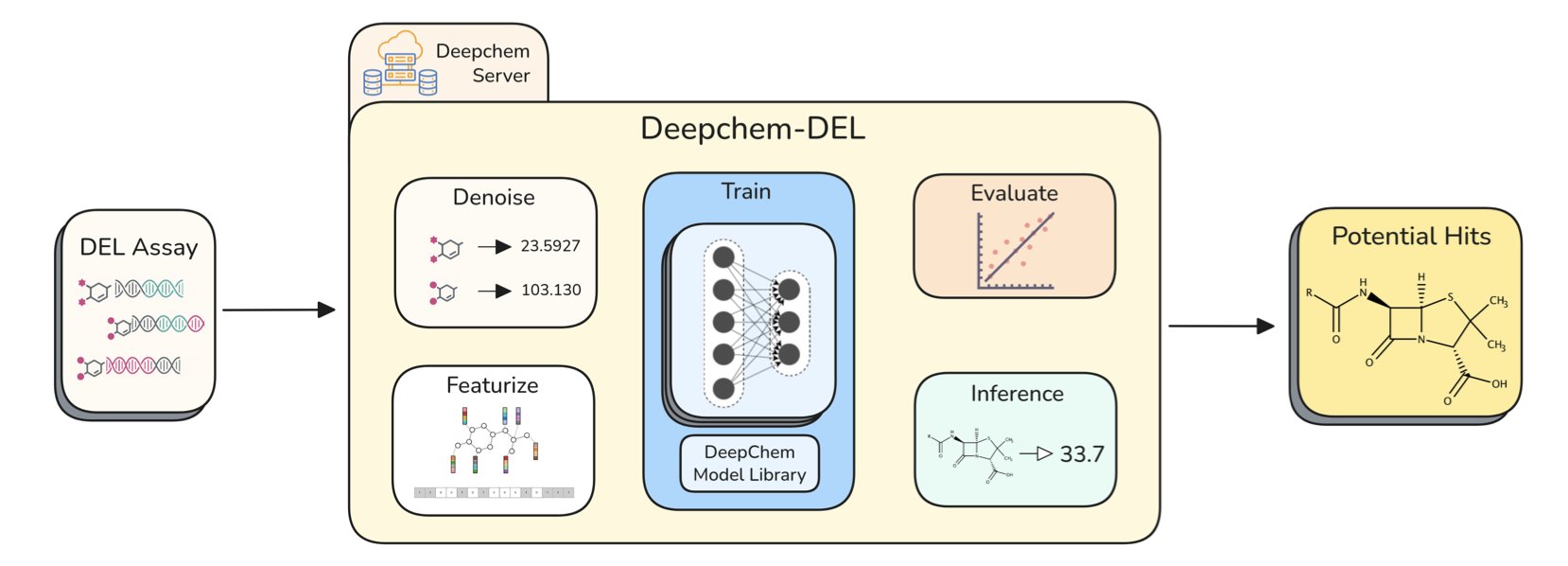
AI in Life Sciences: A Look at GQVis, DeepChem-DEL, and Odyssey
Artificial Intelligence
Bioinformatics
Genomics
Protein Design
Drug Discovery
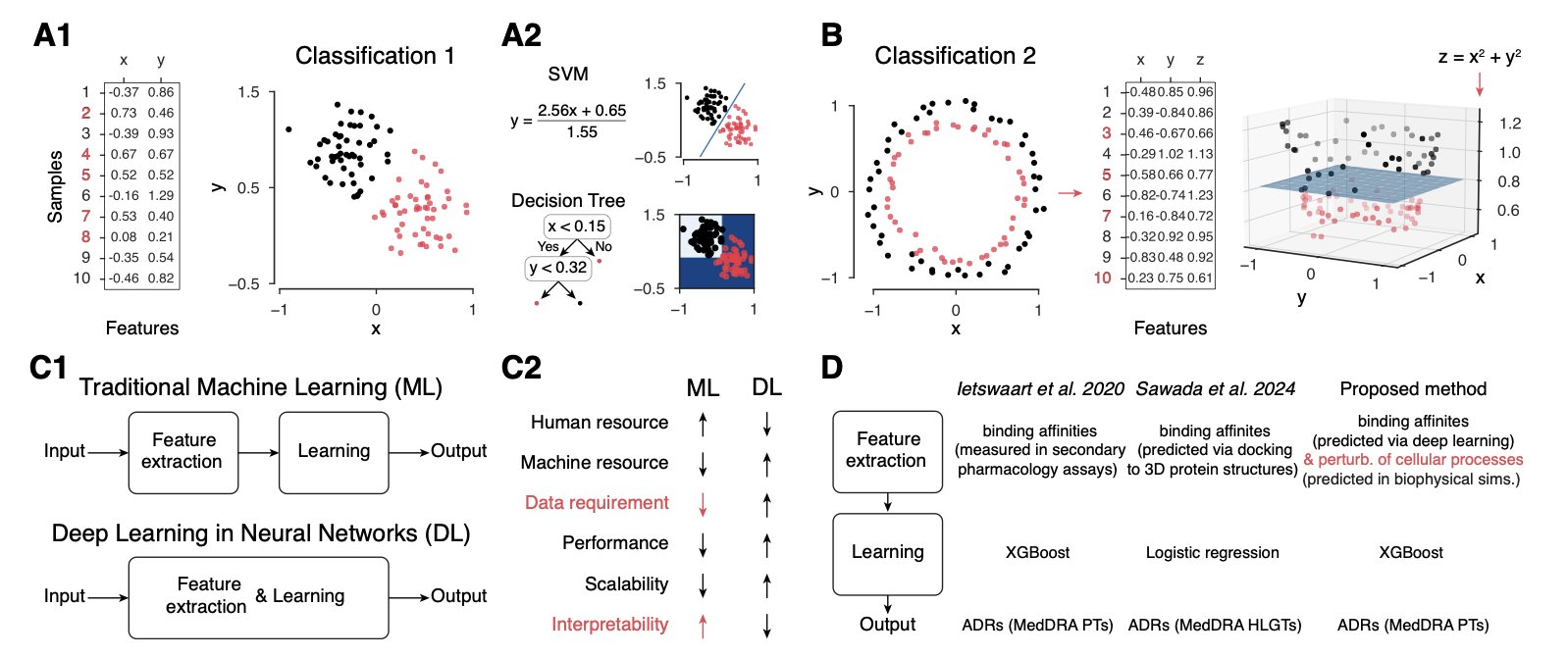
AI in Drug Discovery: From a Metabolomics Benchmark to New Parasite Drug Targets
Drug Discovery
Artificial Intelligence
Bioinformatics
Large Language Models
Computational Chemistry
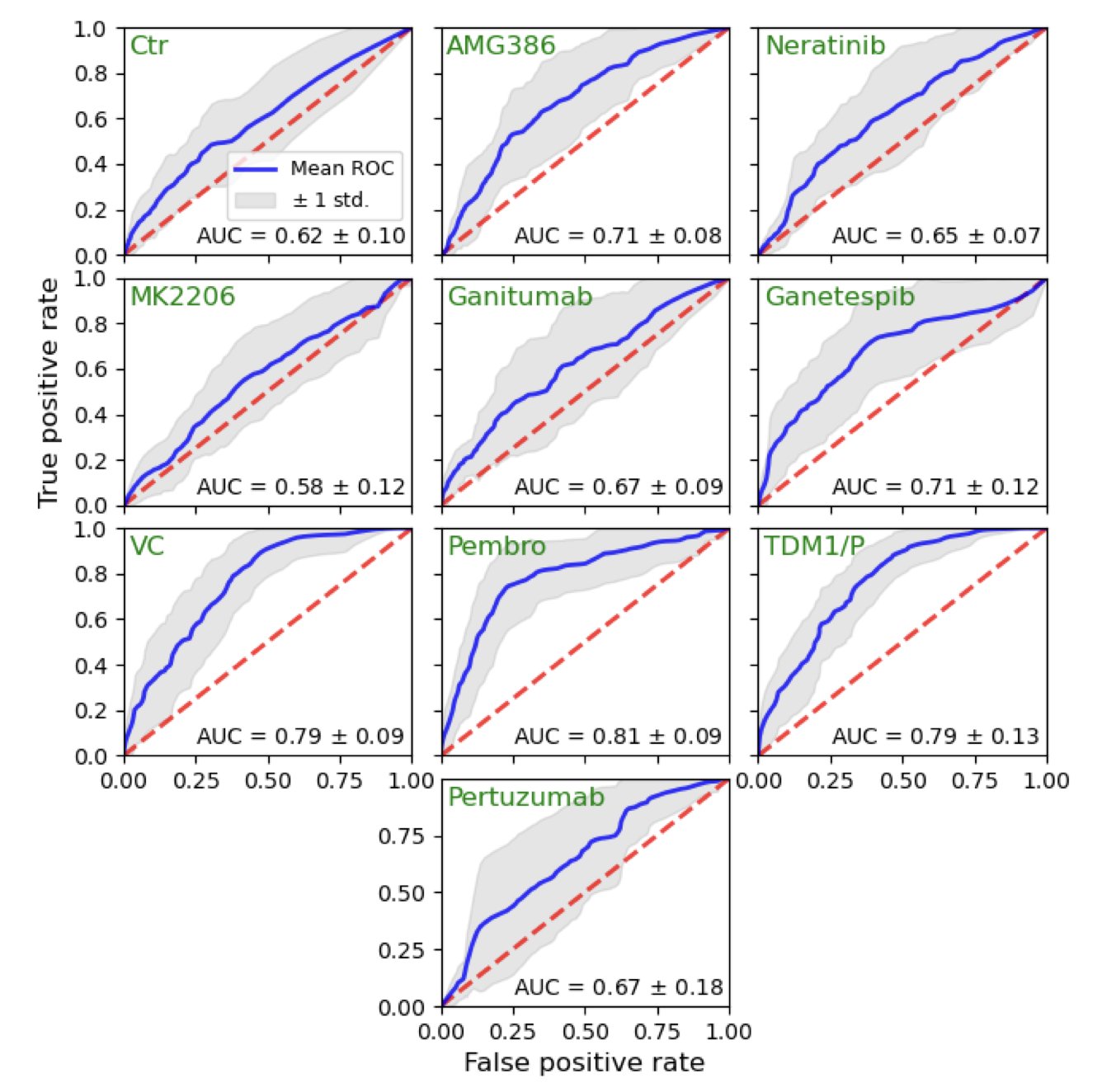
AI Accurately Predicts Breast Cancer Treatment Response, Optimizing Personalized Therapy
Machine Learning
Breast Cancer
XGBoost
Personalized Medicine
Gene Expression
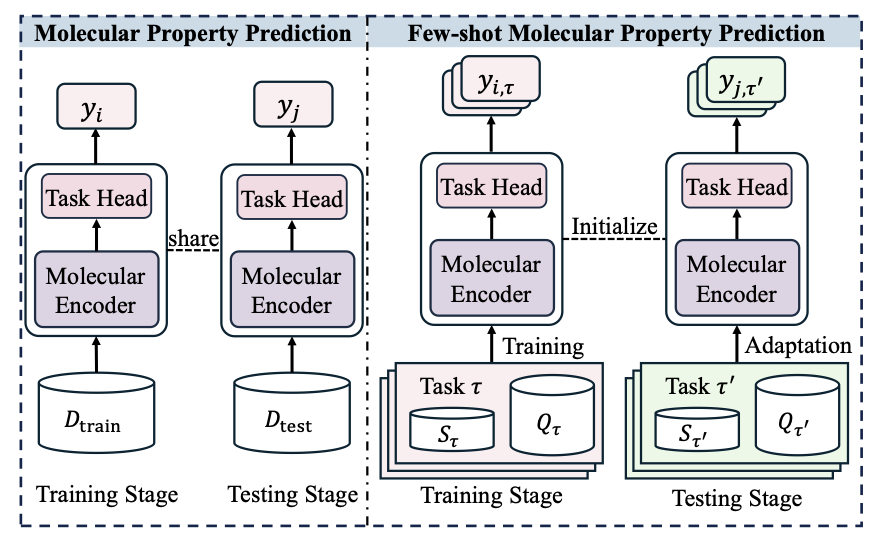
AI in Drug Discovery: From Virtual Cells and Few-Shot Learning to Adaptive Virtual Screening
AI in Drug Discovery
Large Language Models
Few-Shot Learning
Virtual Screening
Meta-Learning
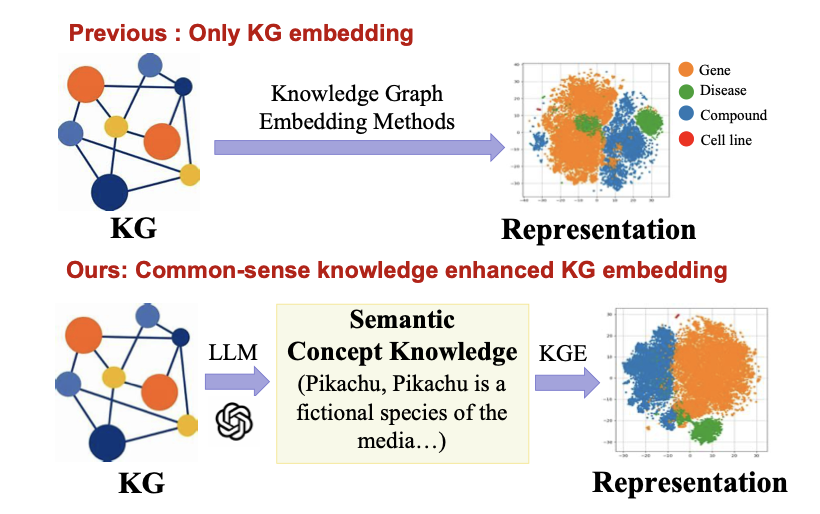
New AI Frontiers: A Look at CGBENCH, DemoDiff, and LLaDR
Large Language Model
Biomedicine
Knowledge Graph
Drug Discovery
Molecular Design
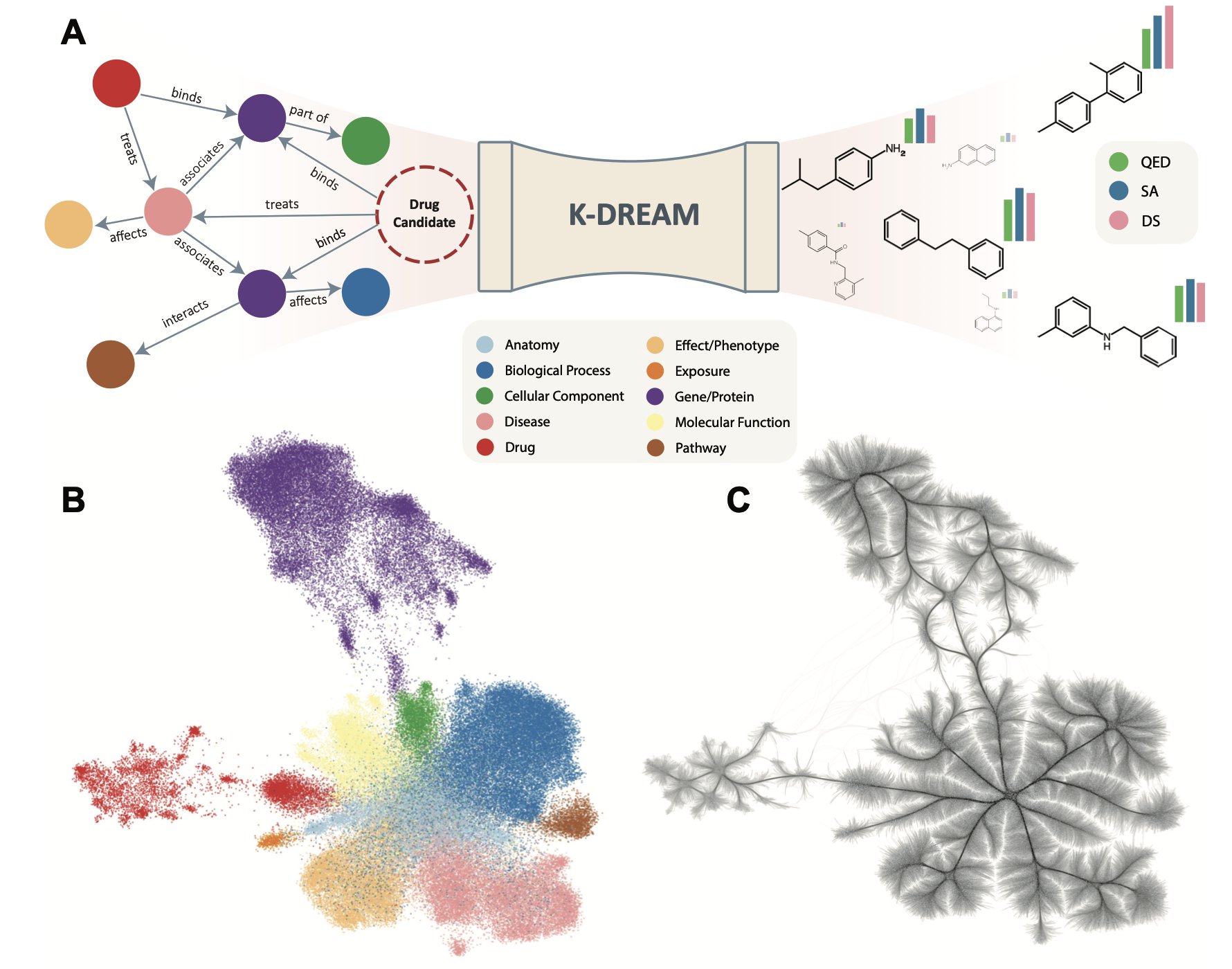
K-DREAM: Teaching AI Biology to Design Molecules
AI Drug Discovery
Generative AI
Protein Design
Diffusion Models
Knowledge Graphs
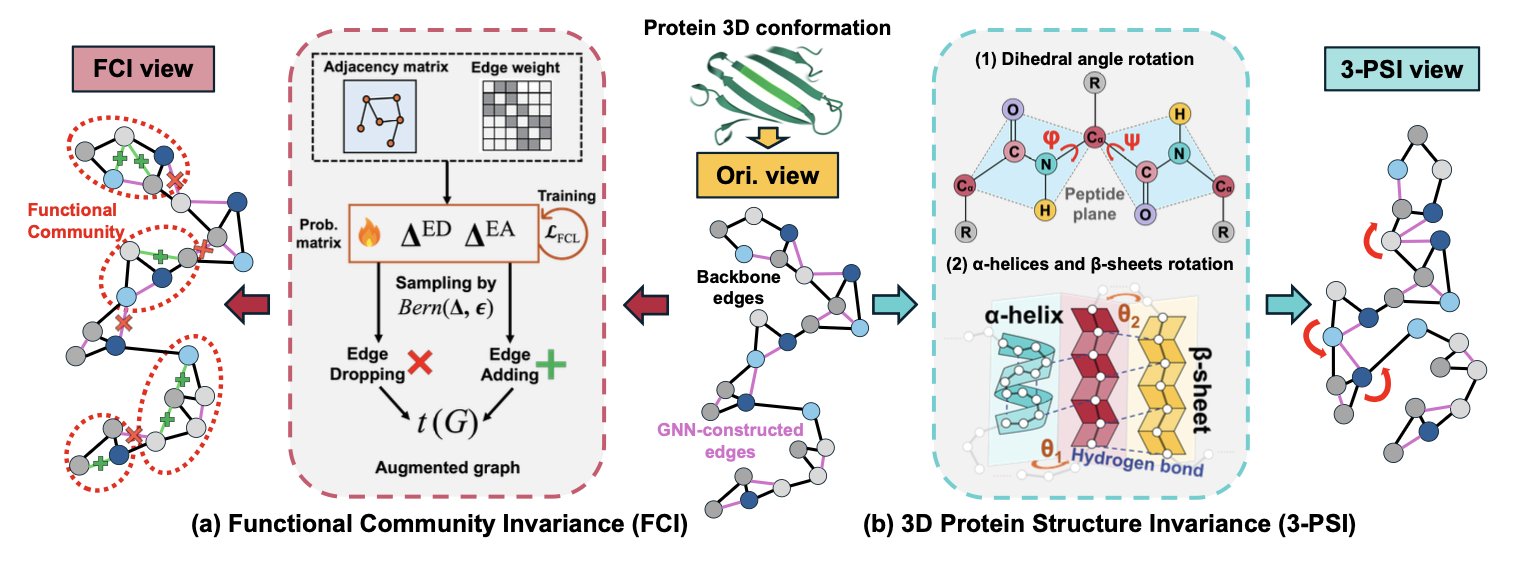
AI in Drug Discovery: A Look at Three New Techniques
Drug Discovery
AI for Science
Graph Learning
Diffusion Models
Multi-Reward Optimization
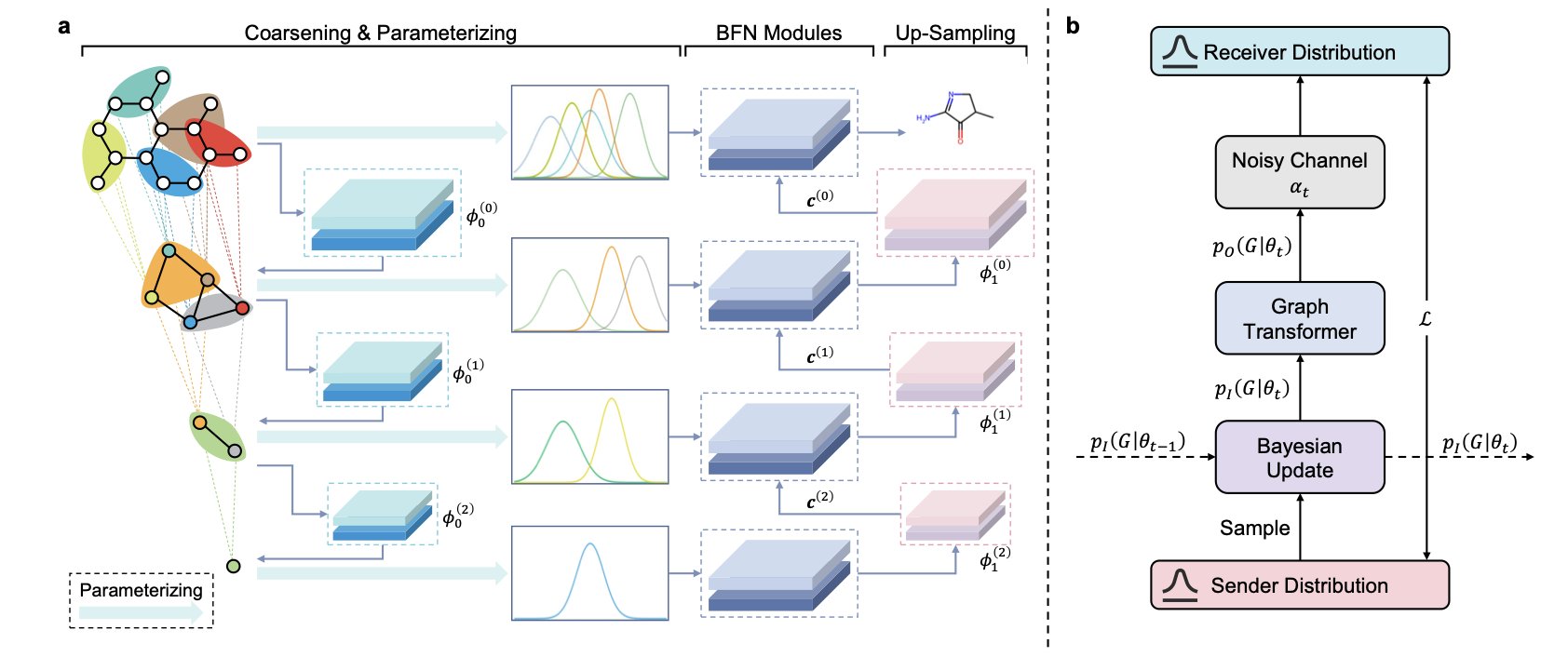
From Molecule Generation to Target Prediction
AI Drug Discovery
Molecule Generation
Graph Neural Networks
Protein Binding
Computer-Aided Drug Design
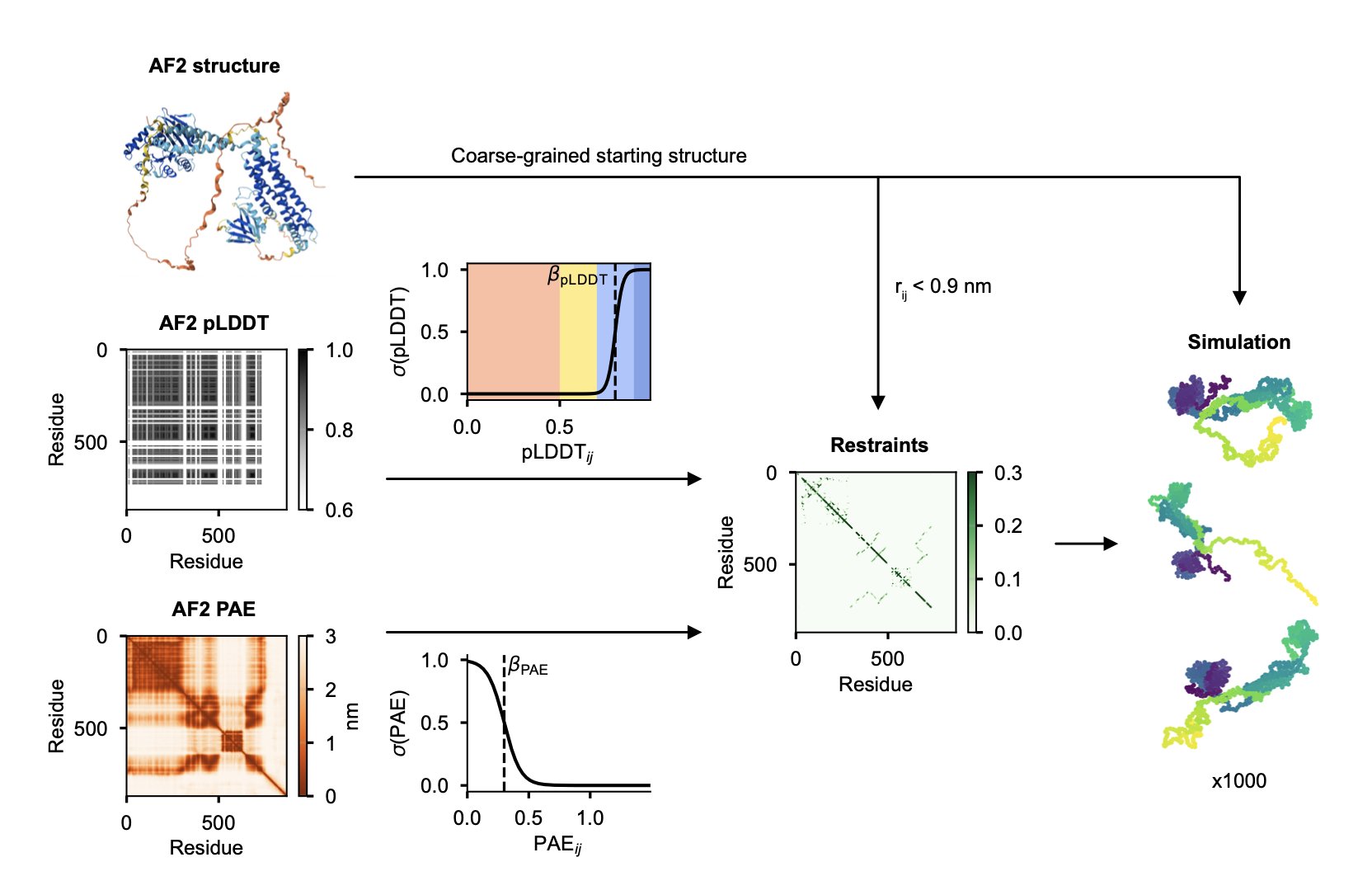
New AI Frontiers in Protein Research: From Disordered Protein Prediction to Dynamic Conformation Simulation
Protein Structure Prediction
AI-Aided Drug Design
AlphaFold
Bioinformatics
Machine Learning
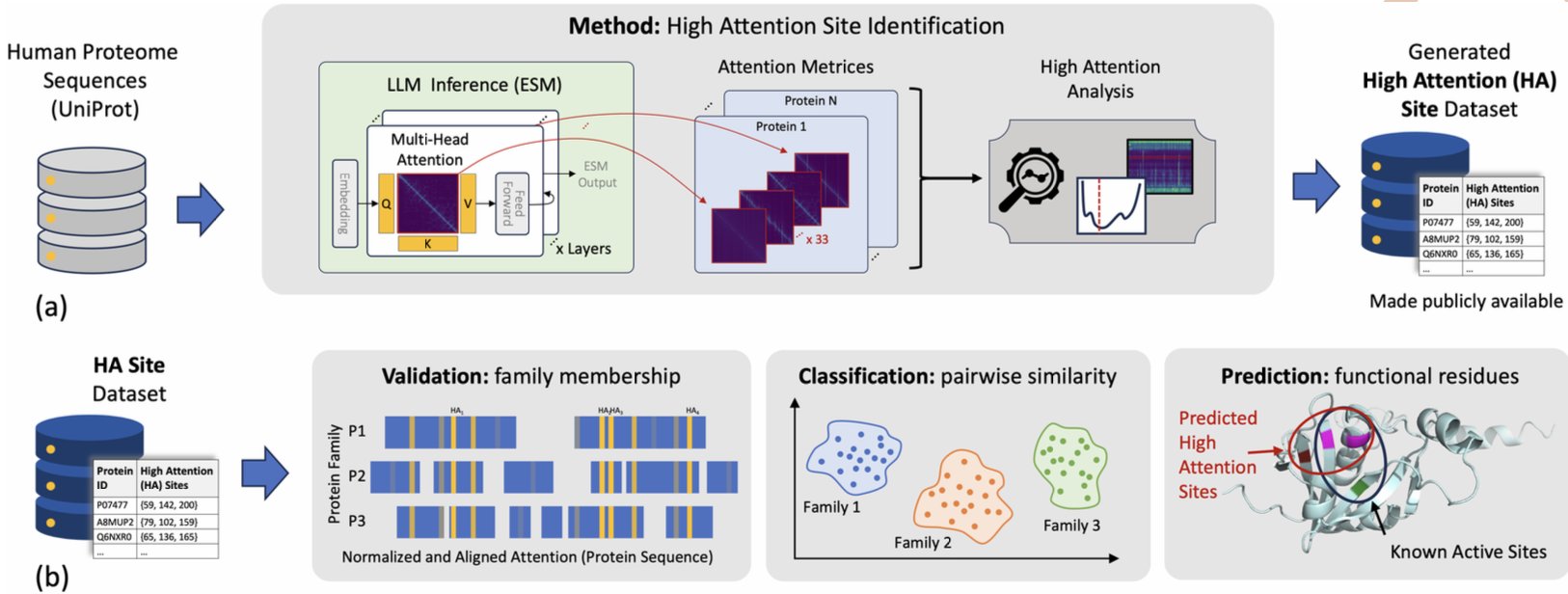
A New Way to Use AI: Decoding Protein Function with Attention
Protein Language Model
Attention Mechanism
Drug Design
AI Interpretability
ESM
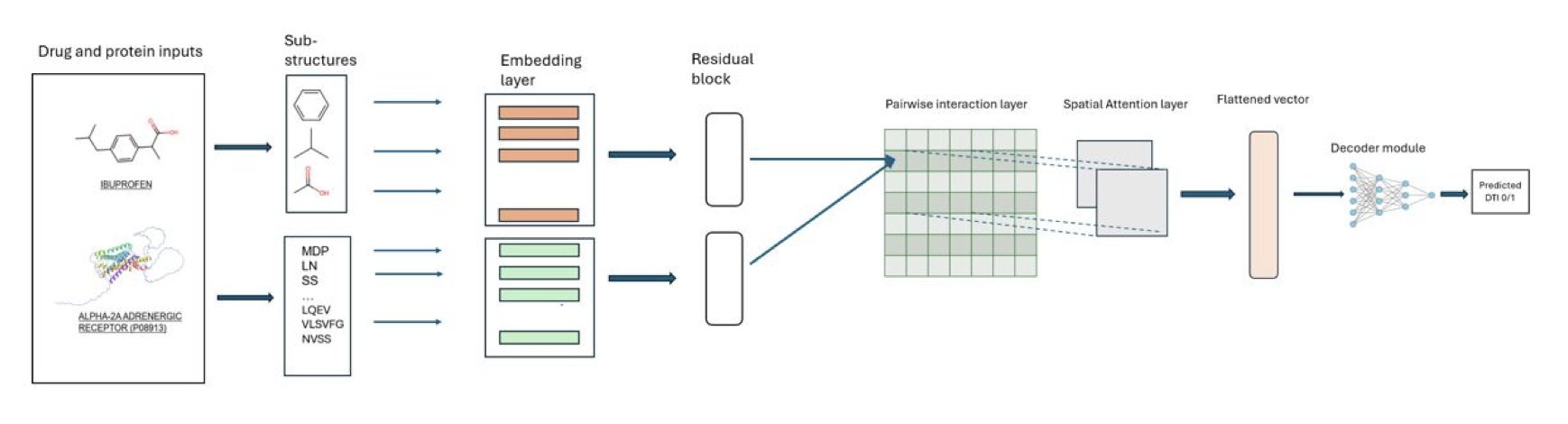
Five Innovations in AI Drug Discovery: From Target Prediction to Chemical Space Exploration
AI in Pharma
Drug Discovery
Machine Learning
Computational Chemistry
AlphaFold
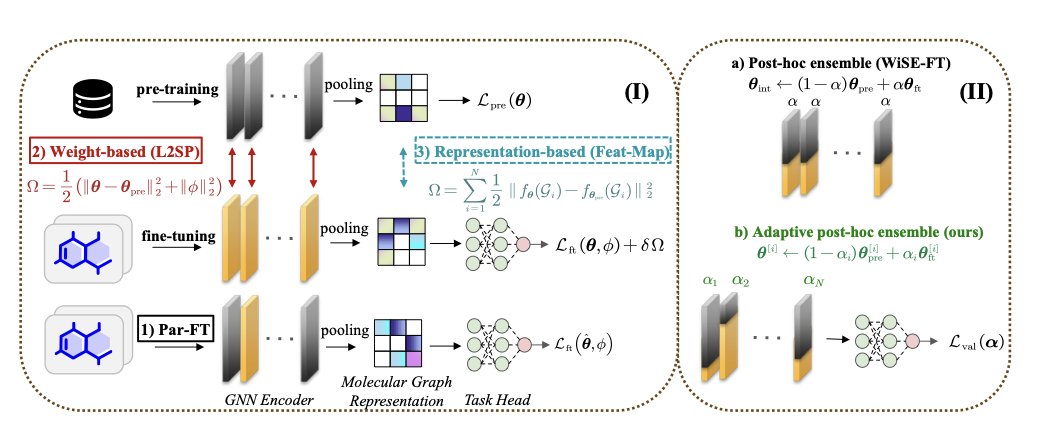
RoFt-Mol Benchmark: What’s the Best Way to Fine-Tune AI Models for Drug Discovery?
Drug Discovery
AI for Science
Molecular Models
Model Fine-tuning
Computational Chemistry
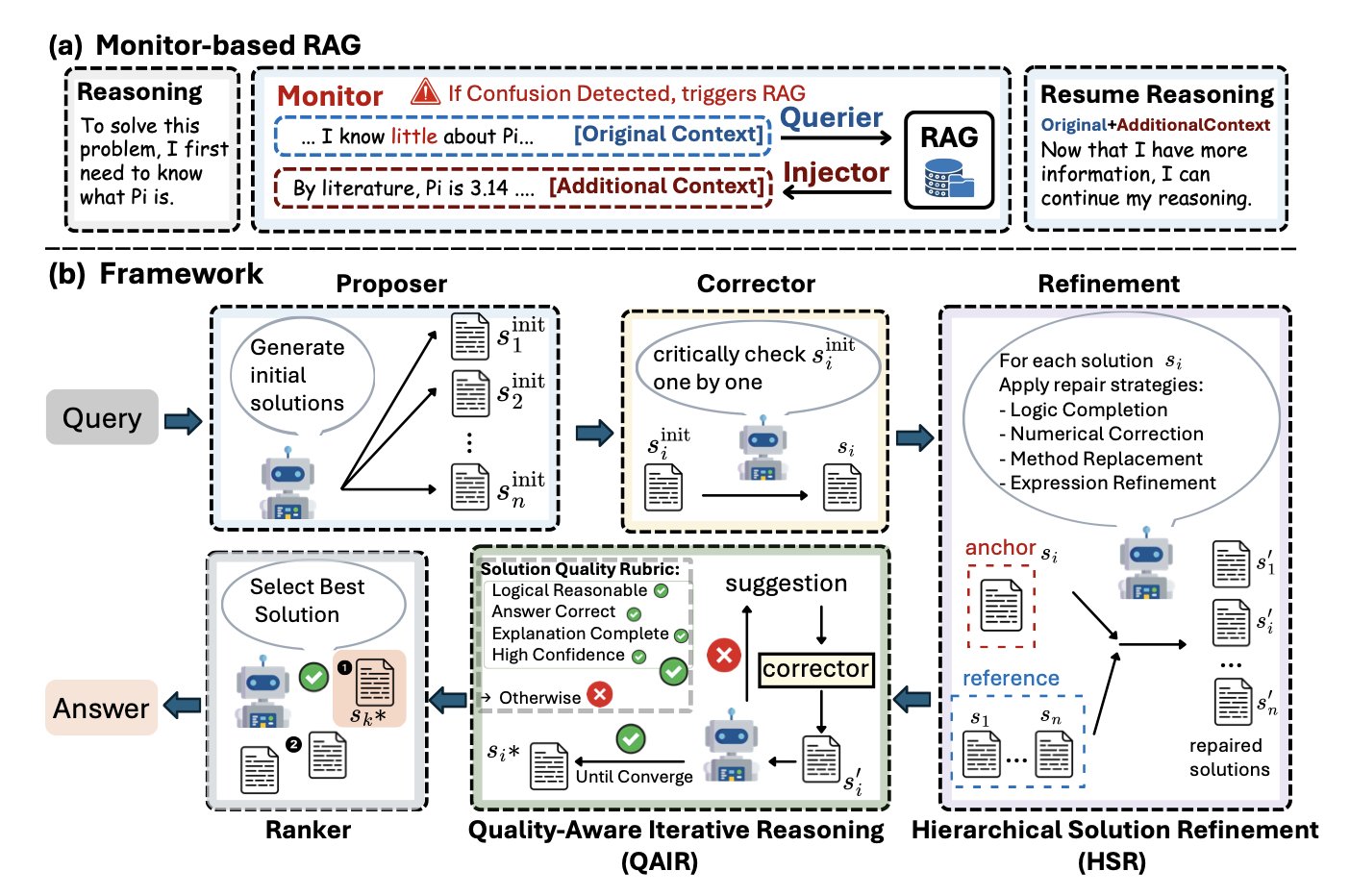
AI in Drug Discovery: 5 New Models from Molecule Generation to Scientific Reasoning
Drug Discovery
AI Pharma
Large Language Models
Molecule Generation
Reinforcement Learning
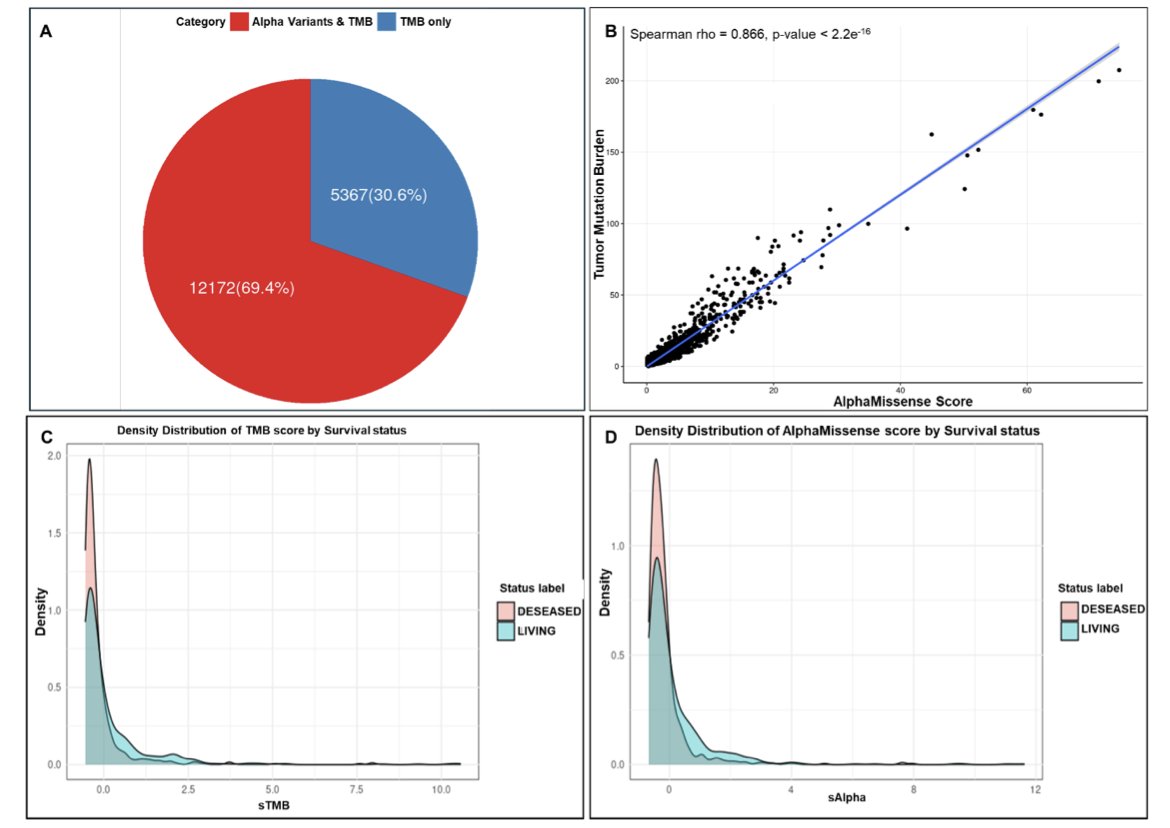
AI in Precision Medicine: From Predicting Protein Expression and Immunotherapy Response to Interpreting Genetic Variants
Precision Medicine
Proteomics
Artificial Intelligence
Genomics
Bioinformatics
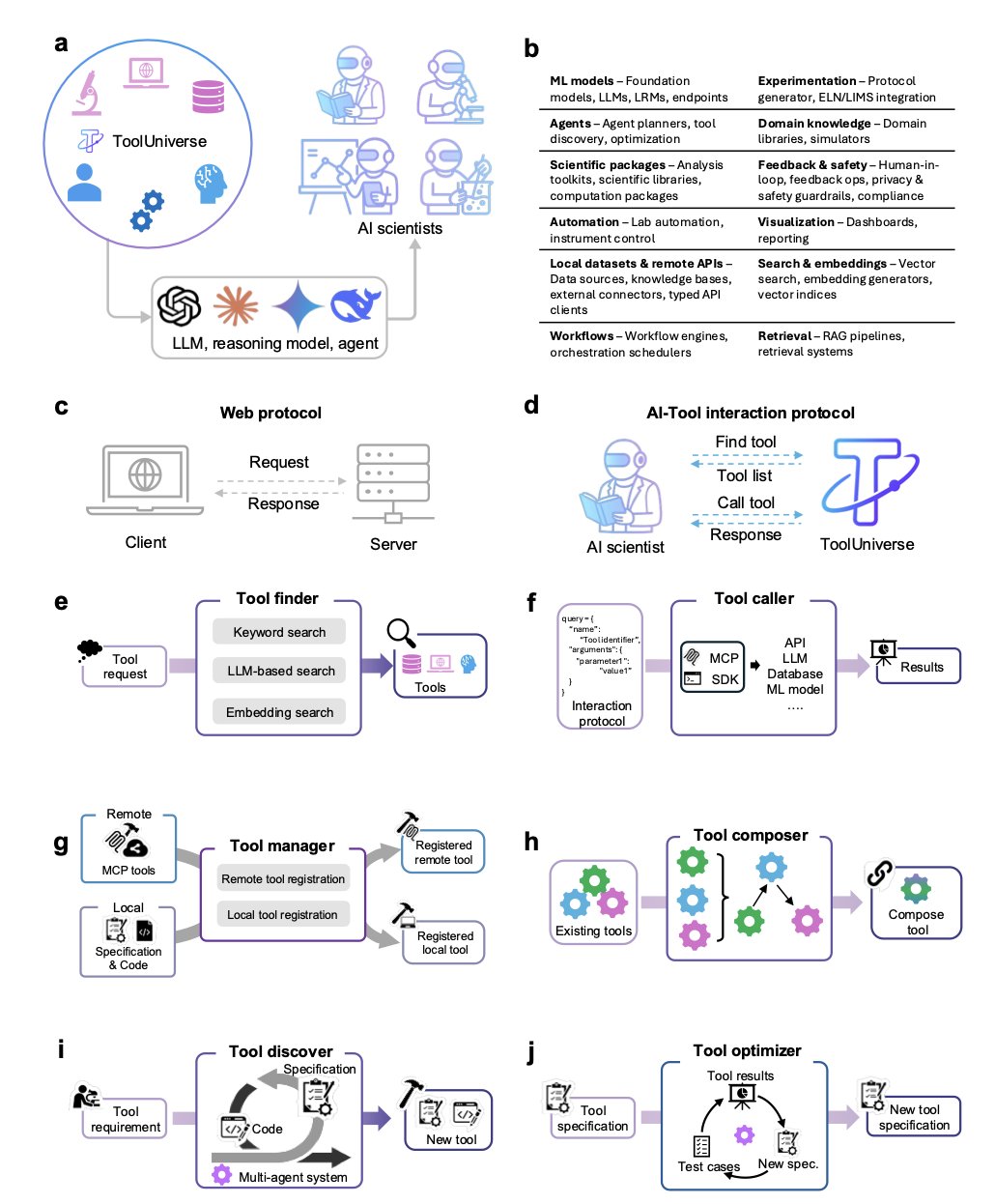
AI in Biomedical Research: Advances in AlphaFold, ToolUniverse, and Knowledge Graphs
AI Drug Discovery
AlphaFold
Knowledge Graph
Large Language Models
Bioinformatics
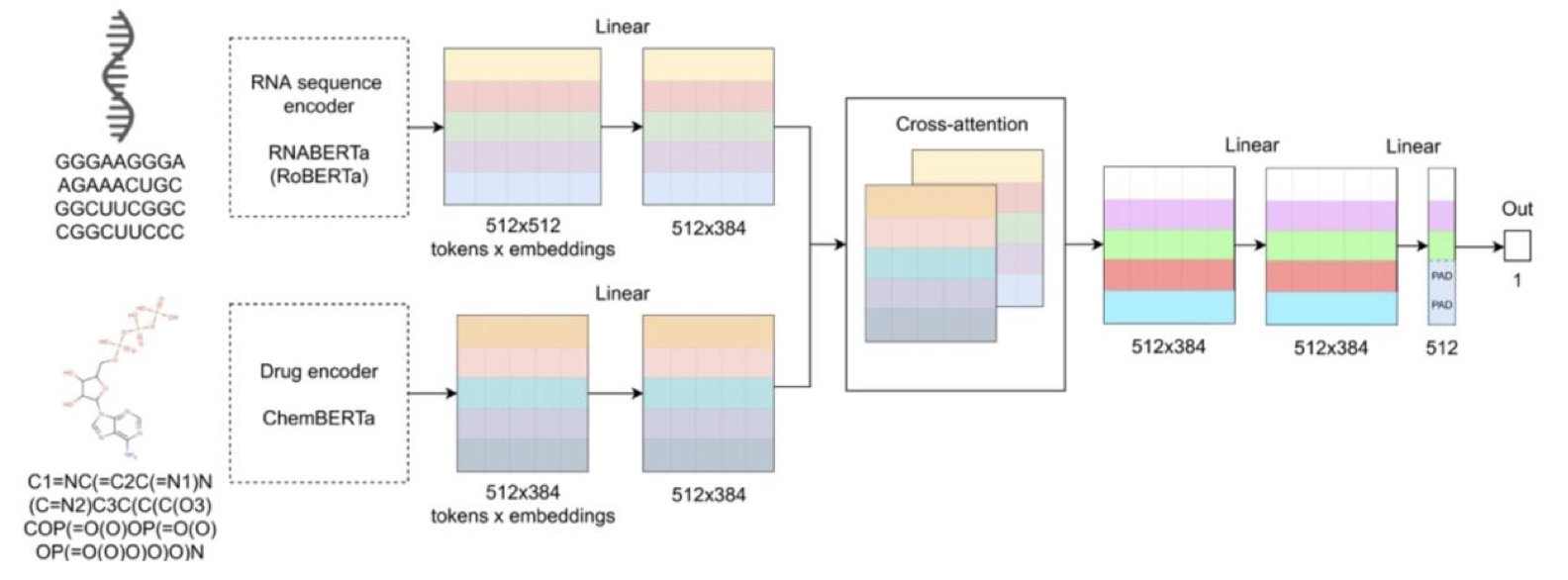
AI in Drug Discovery: From Sequence Prediction to VR Modeling
AI Drug Discovery
Computational Biology
Graph Attention Networks
Molecular Modeling
Virtual Reality
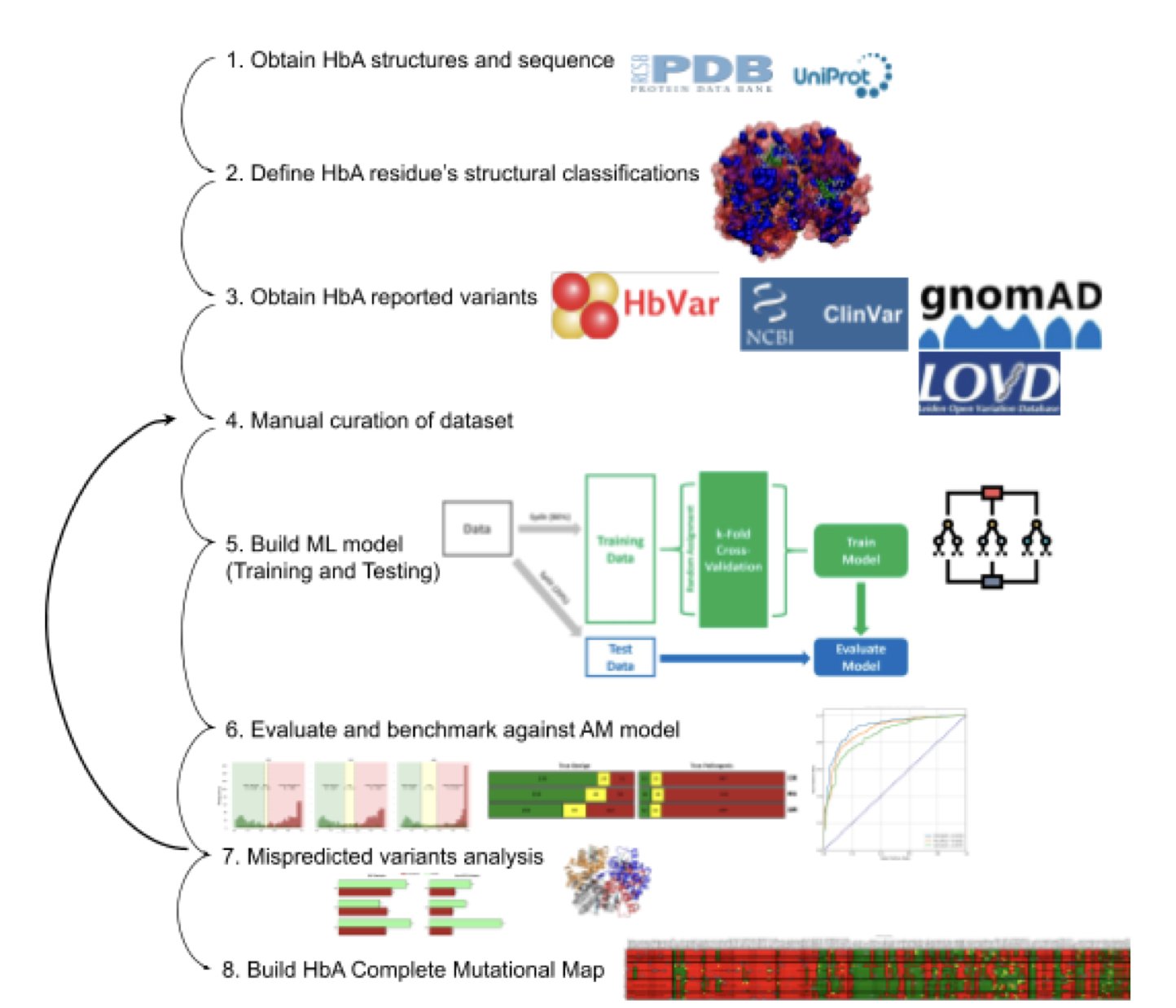
AI in Drug Discovery: From Predicting Mutations and Quantifying Solubility to Synthesizable Molecular Design
Drug Discovery
AI
Machine Learning
Computational Chemistry
Explainable AI
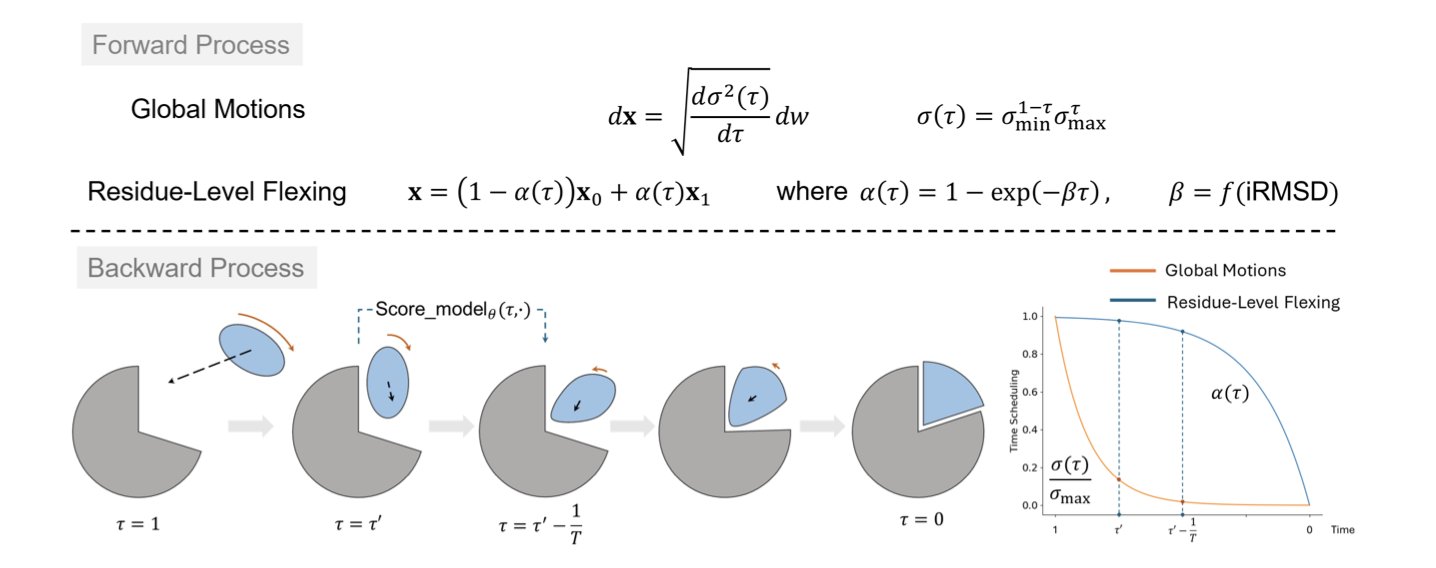
AI in Scientific Discovery: A Look at Three New Models for Drug Resistance, Drug Optimization, and Protein Docking
Artificial Intelligence
Bioinformatics
Drug Discovery
Machine Learning Models
Protein Docking
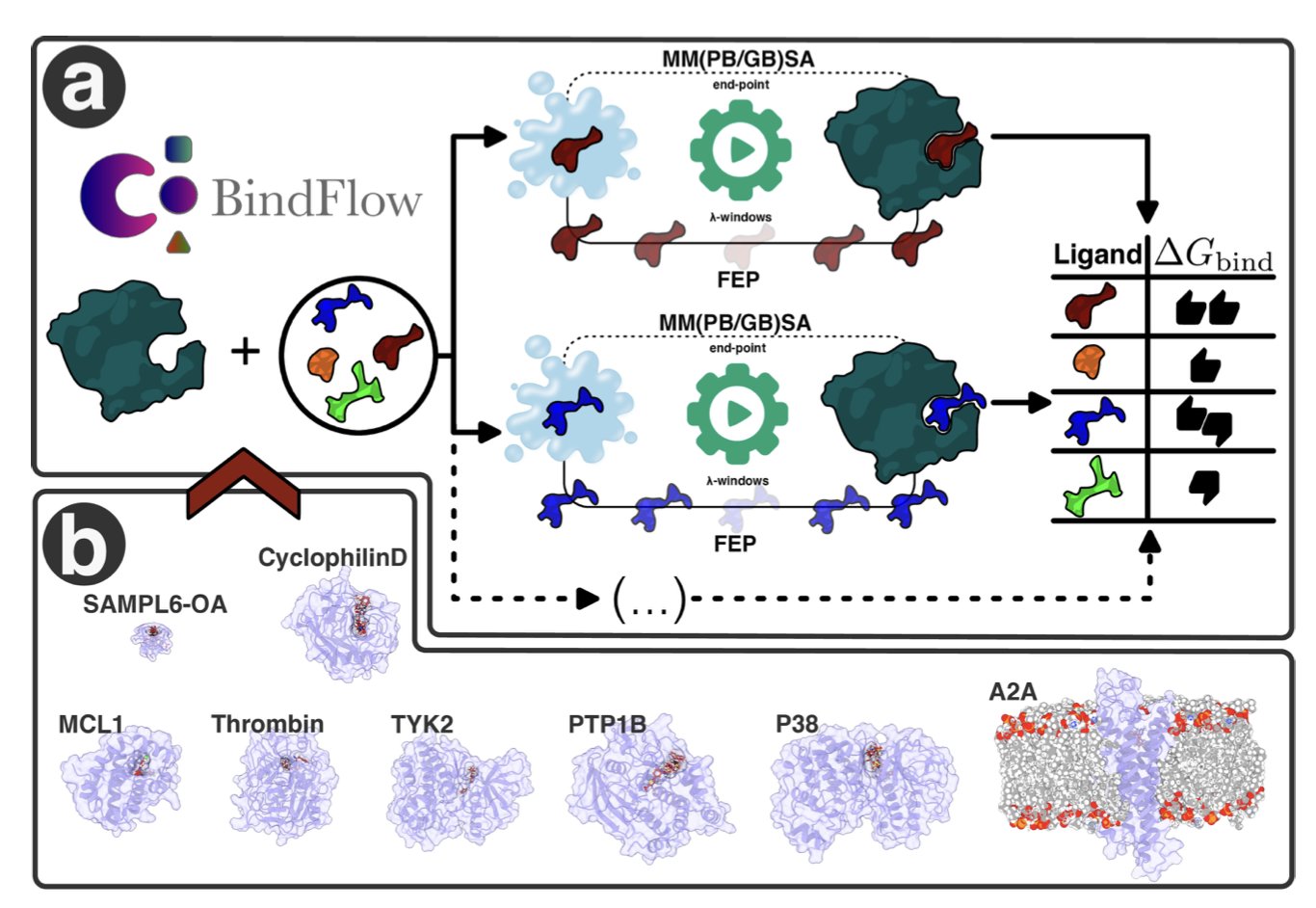
AI in Drug Discovery: Three Advances in Gene Perturbation, Binding Energy, and Resistance Prediction
Drug Discovery
Computational Chemistry
AI
Free Energy Perturbation
Genetic Perturbation
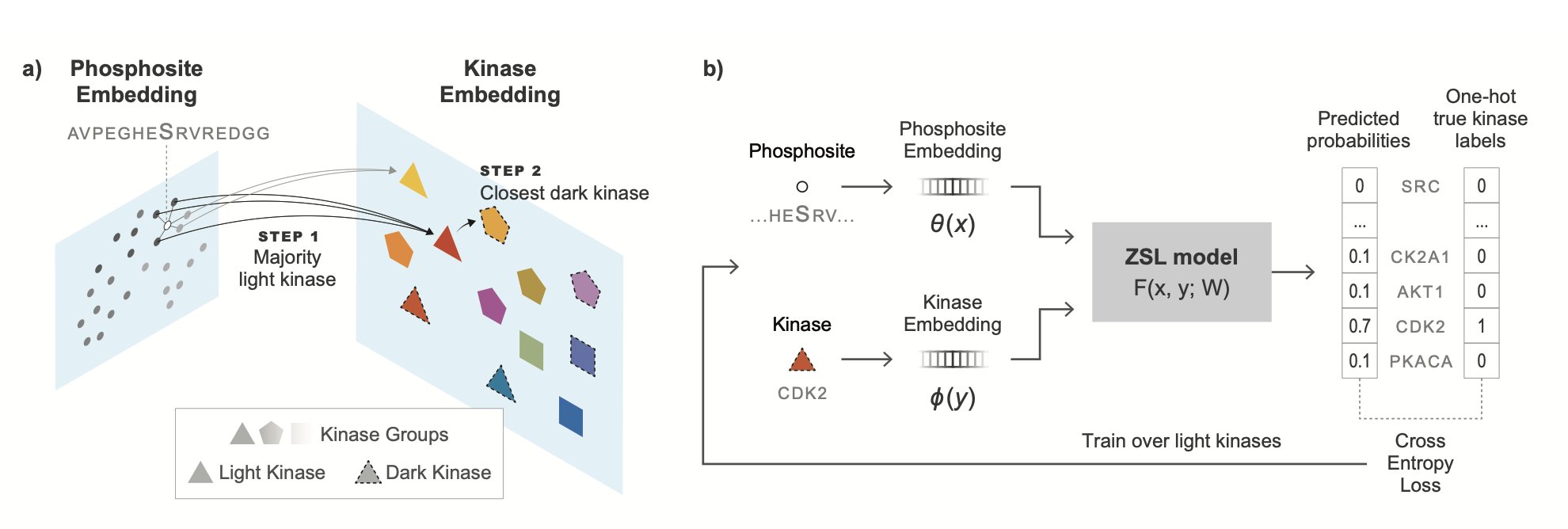
AI Shines a Light on ‘Dark Kinases’: Using Protein Language Models to Find New Drug Targets
Dark Kinases
Protein Language Models
Zero-Shot Learning
New Drug Targets
Computational Biology
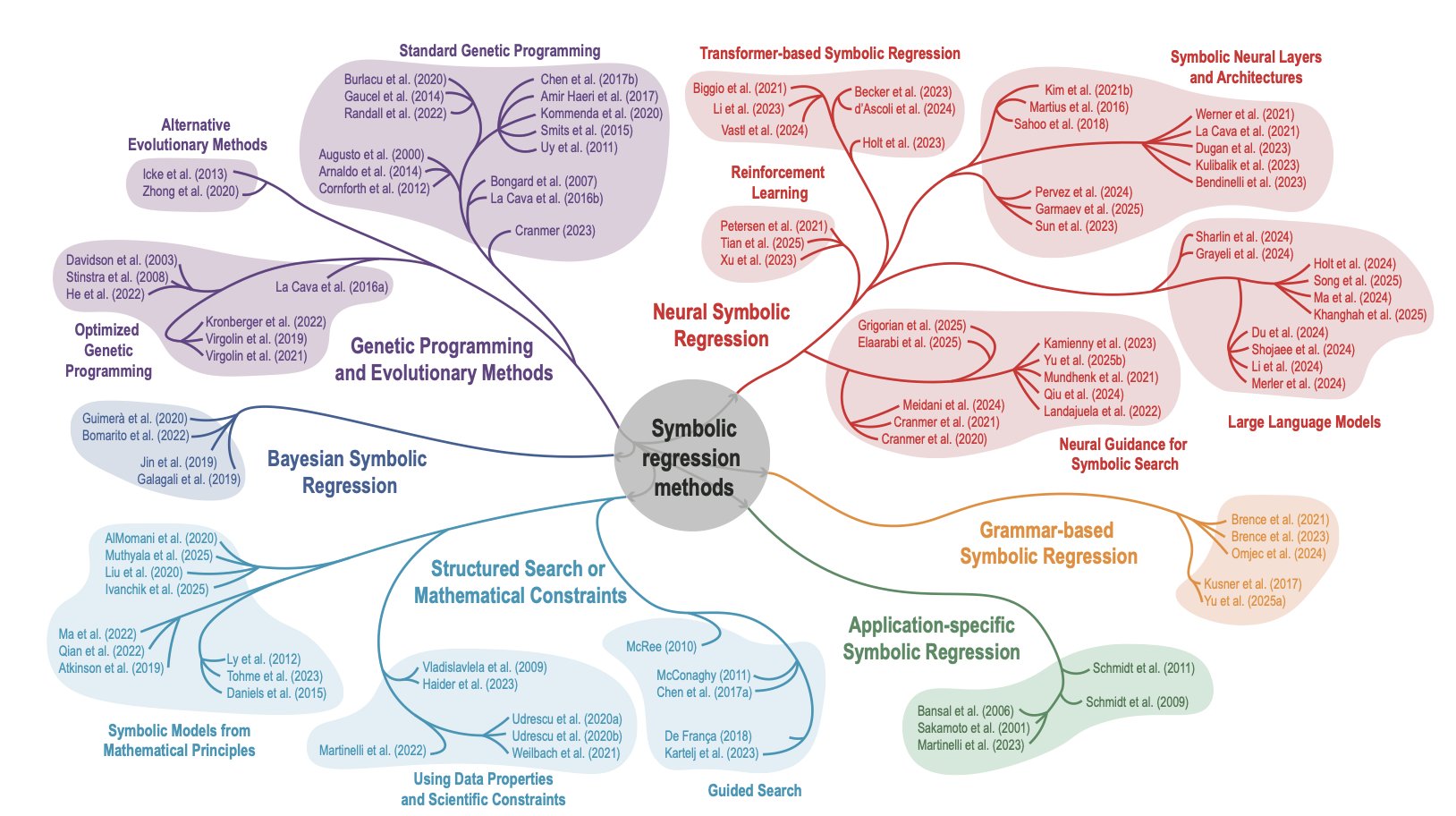
Frontiers in AI Drug Discovery: Digital Twins, Generative Models, and Large Language Models
AI Drug Discovery
Digital Twins
Molecular Dynamics
Generative Models
Large Language Models
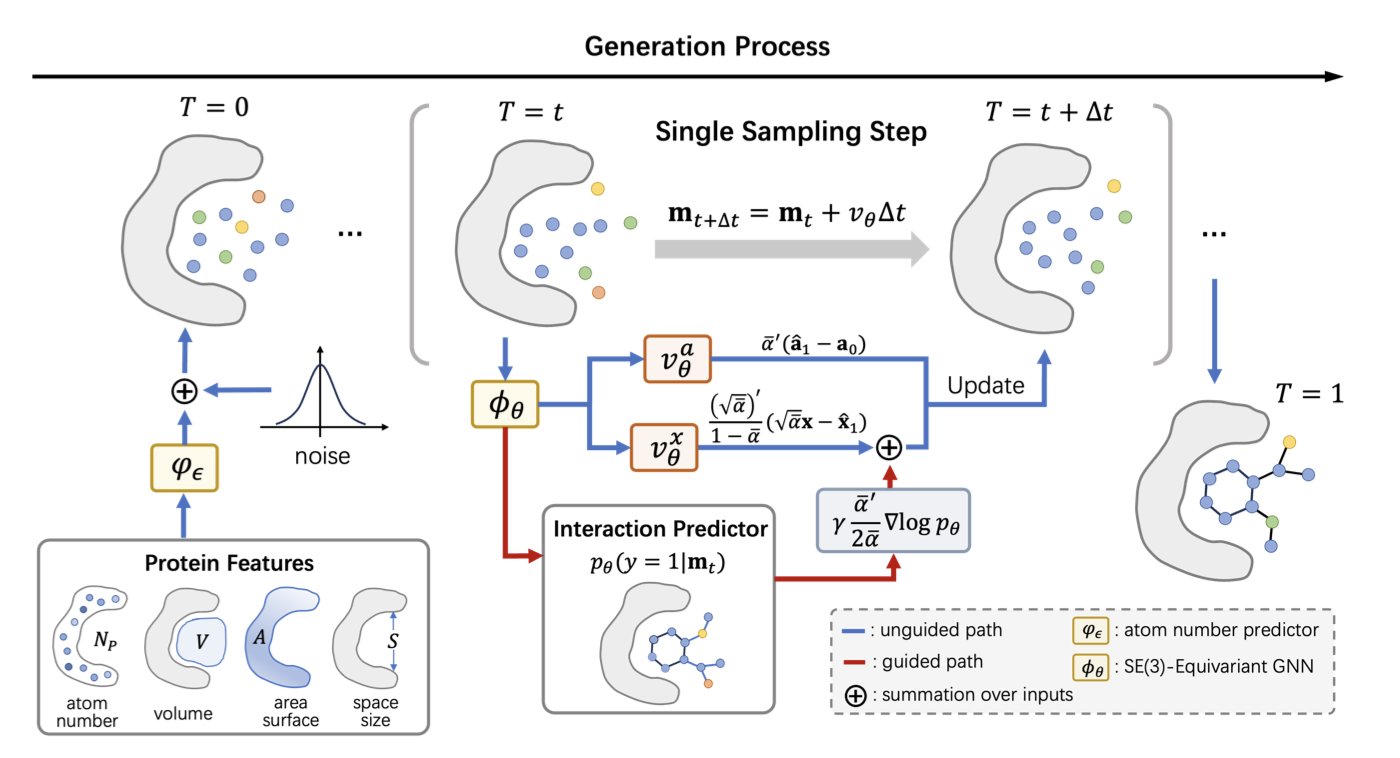
AI-Driven Drug and Chemical Design: From Predicting Drug Resistance to Optimizing Chemical Plants
Molecular Machine Learning
Drug Design
Protein Language Models
Resistance Prediction
Chemical Process Design
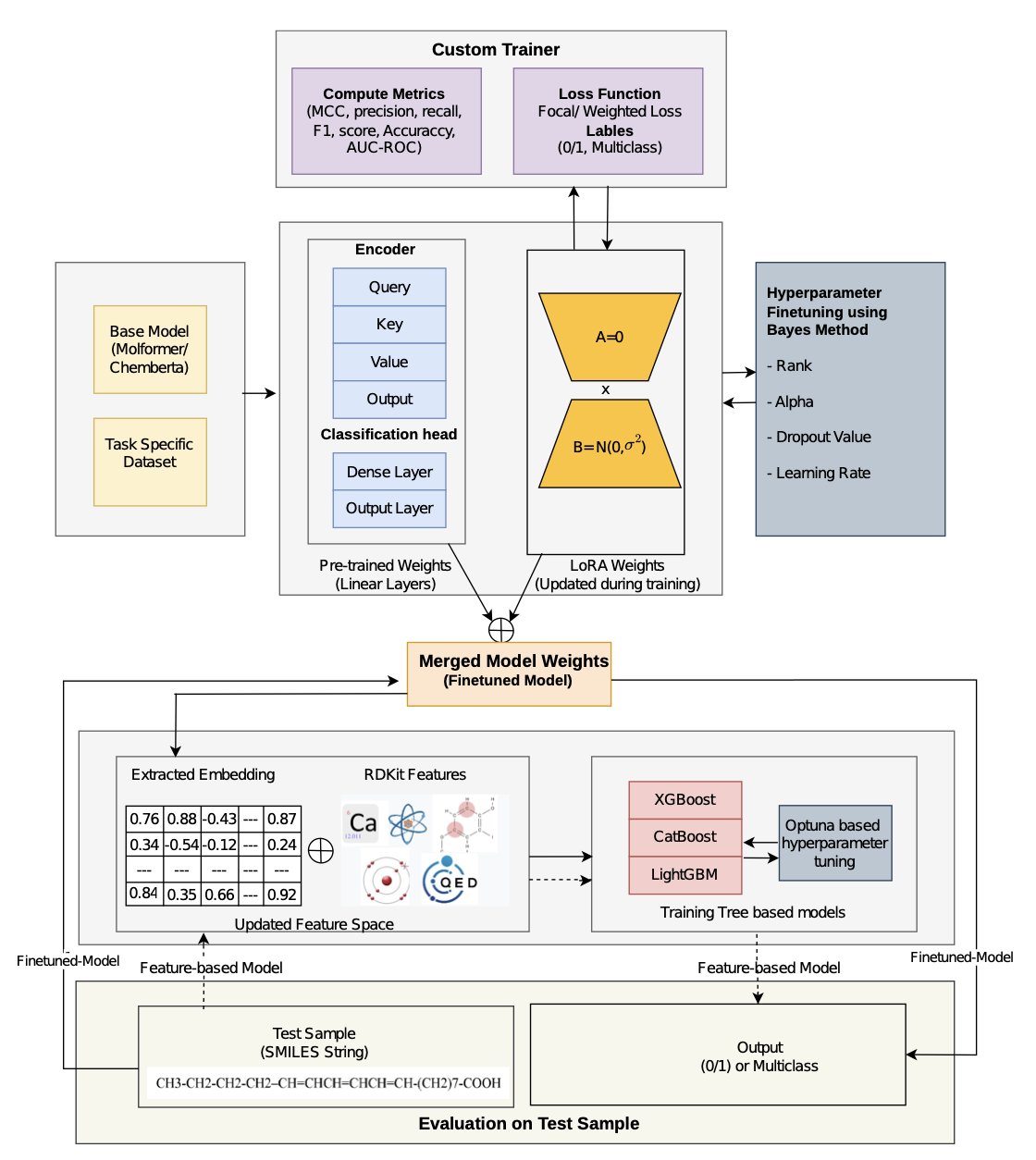
AI in Drug Discovery: Sequence-Based Prediction, Efficient Fine-Tuning, and Practical Strategies
Drug Discovery
AI Pharma
Computational Chemistry
Machine Learning
Large Language Models
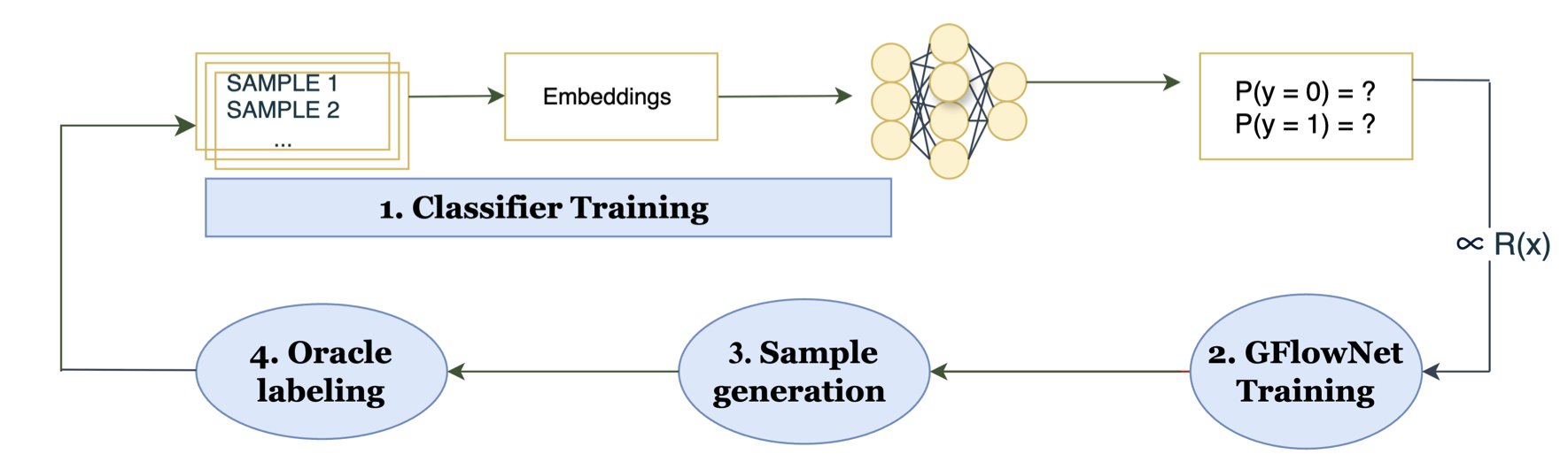
The Frontier of AI in Pharma: From Generative Molecule Design to Predicting Clinical Efficacy
AI in Pharma
GFlowNet
Active Learning
Drug Discovery
Machine Learning
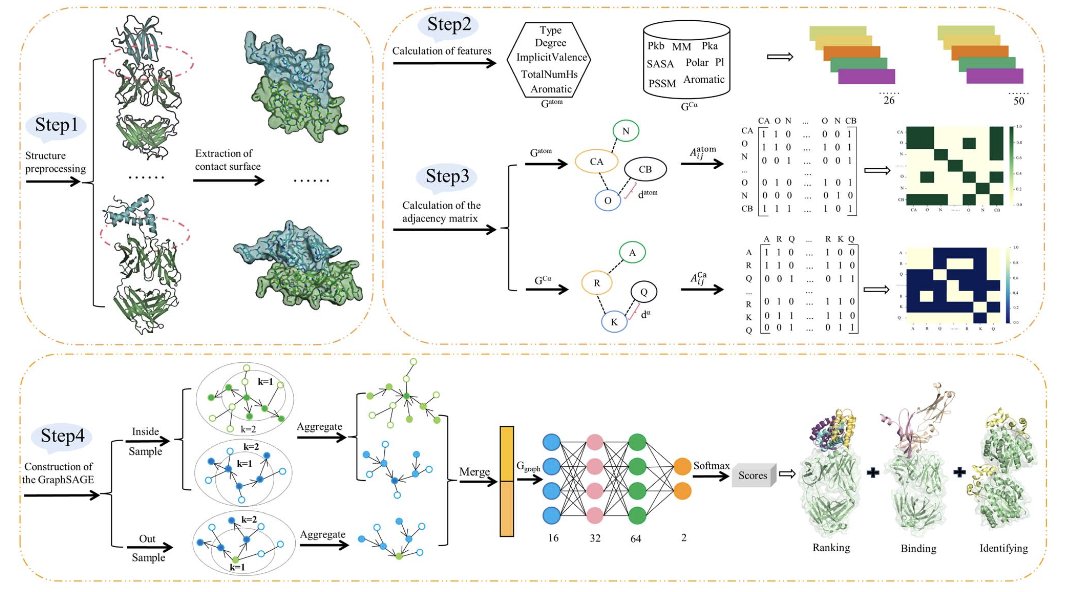
AI in Drug Discovery: Three Advances in Antibody Docking, Cyclic Peptide Permeability, and More
Drug Discovery
Graph Neural Networks
Contrastive Learning
Computational Biology
Cyclic Peptides
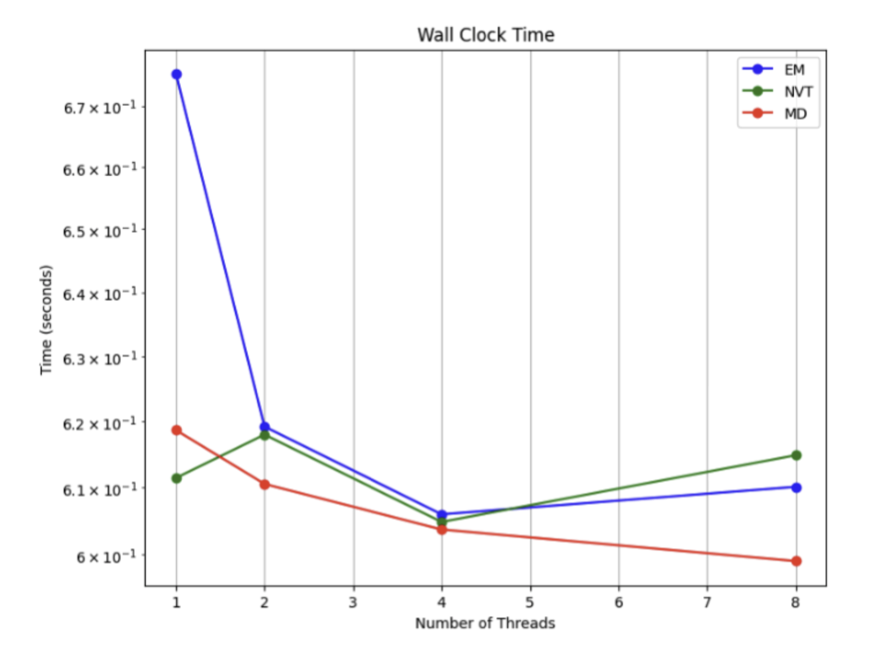
AI in Drug Discovery: Three New Tools to Speed Up Target Screening and Drug Simulation
Drug Discovery
Computational Biology
Virtual Screening
HPC
Bioinformatics
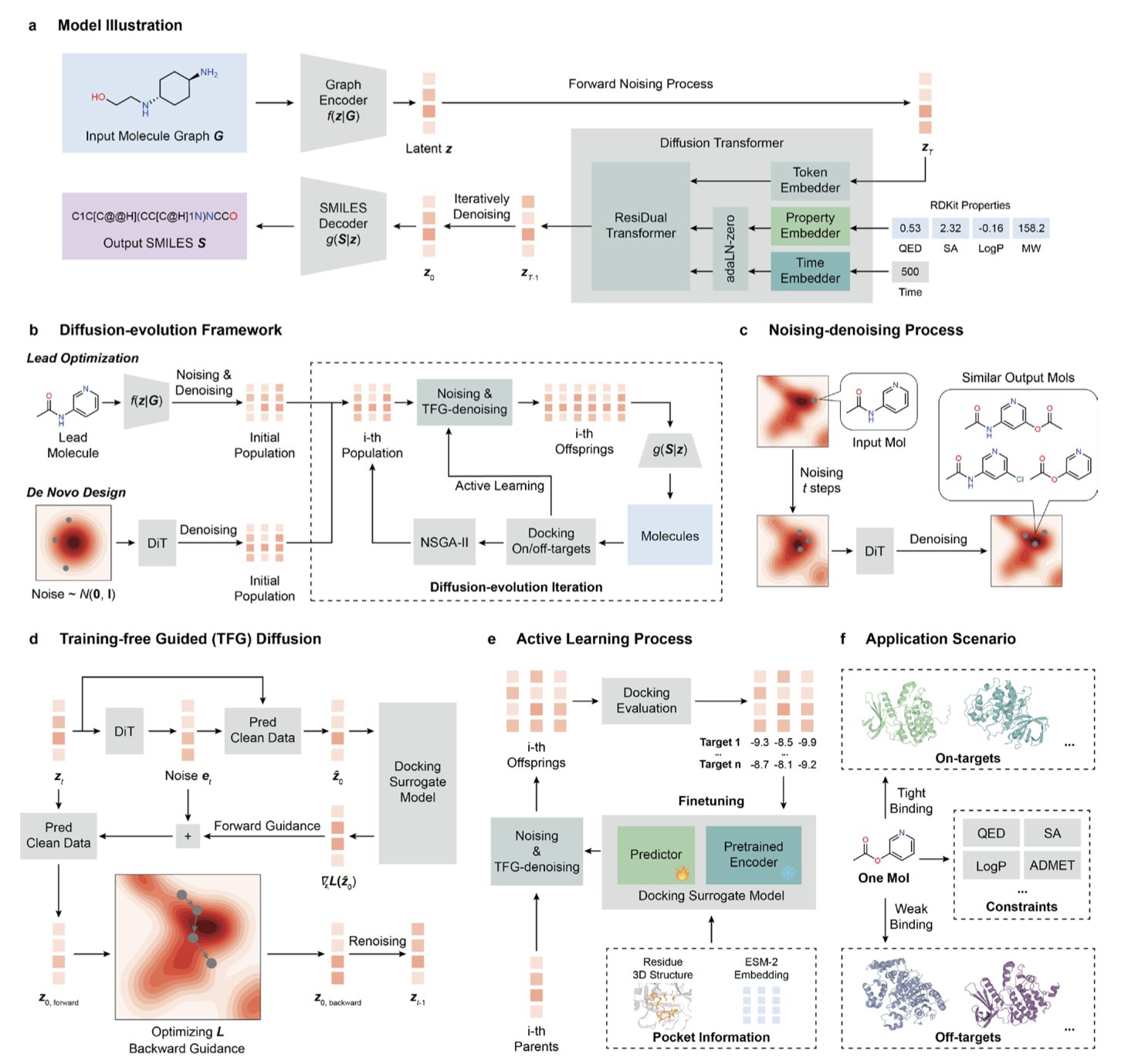
AI in Drug Discovery: A Closer Look at MolSculptor, OTMol, and PertFormer
AI Drug Discovery
Computational Biology
Diffusion Models
Optimal Transport
Foundation Models
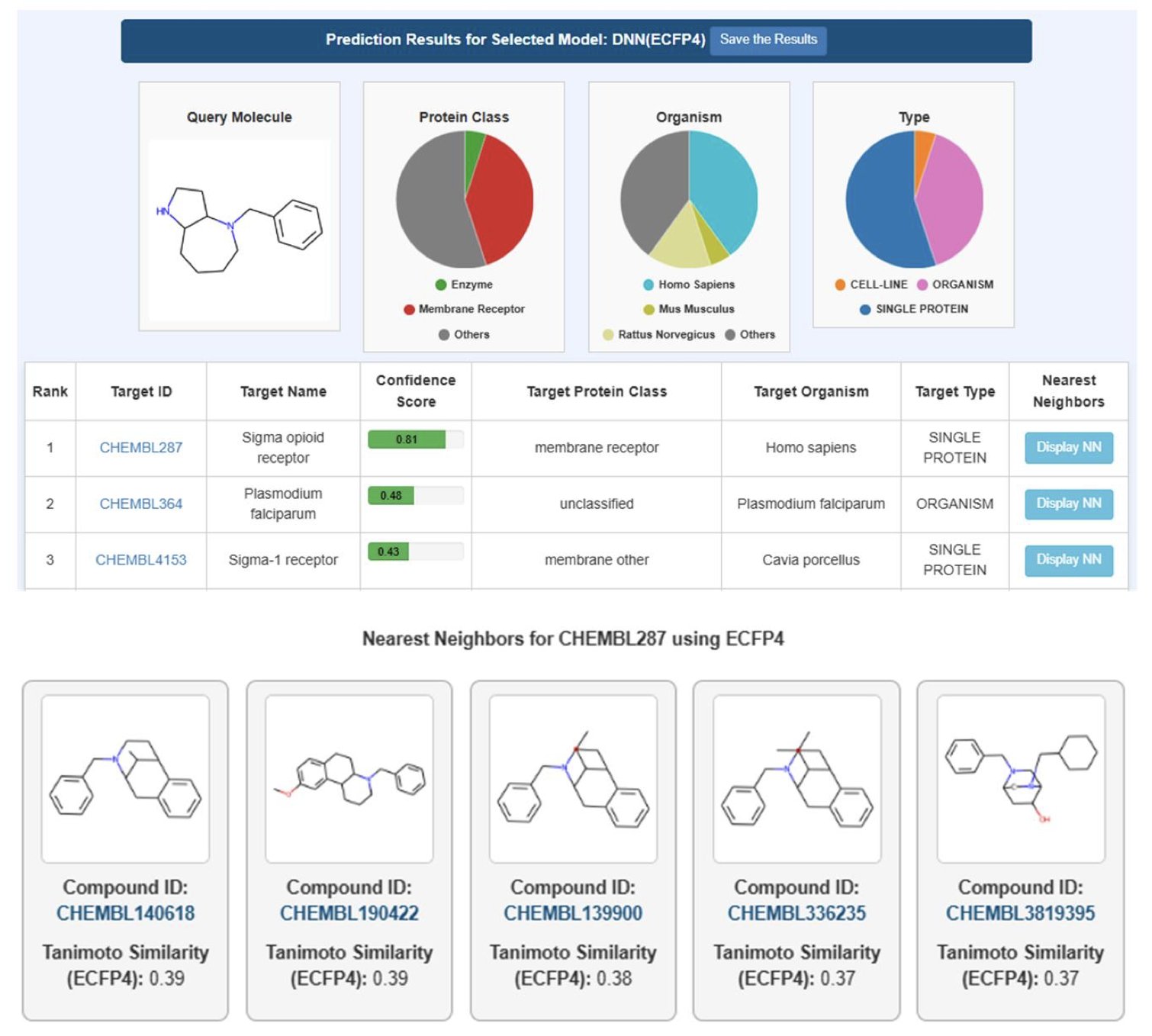
AI in Biology: Insights on Protein Evolution, Glycan Modeling, and Drug Target Prediction
Protein Mutation
AlphaFold 3
Drug Target Prediction
Computational Biology
Deep Learning
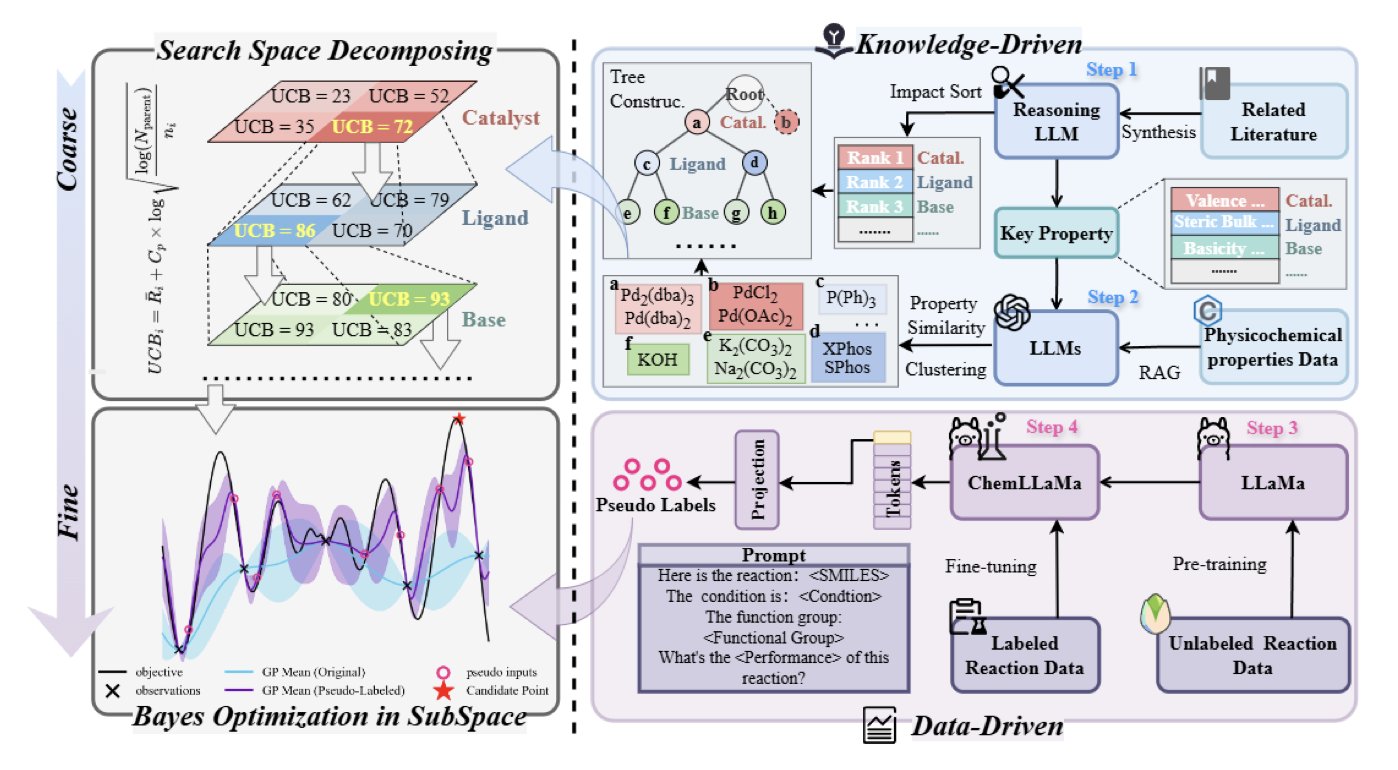
AI in Chemistry: From Faster Molecular Simulations to Automated Reaction Optimization
Artificial Intelligence
Computational Chemistry
Molecular Dynamics
Large Language Models
Knowledge Graph
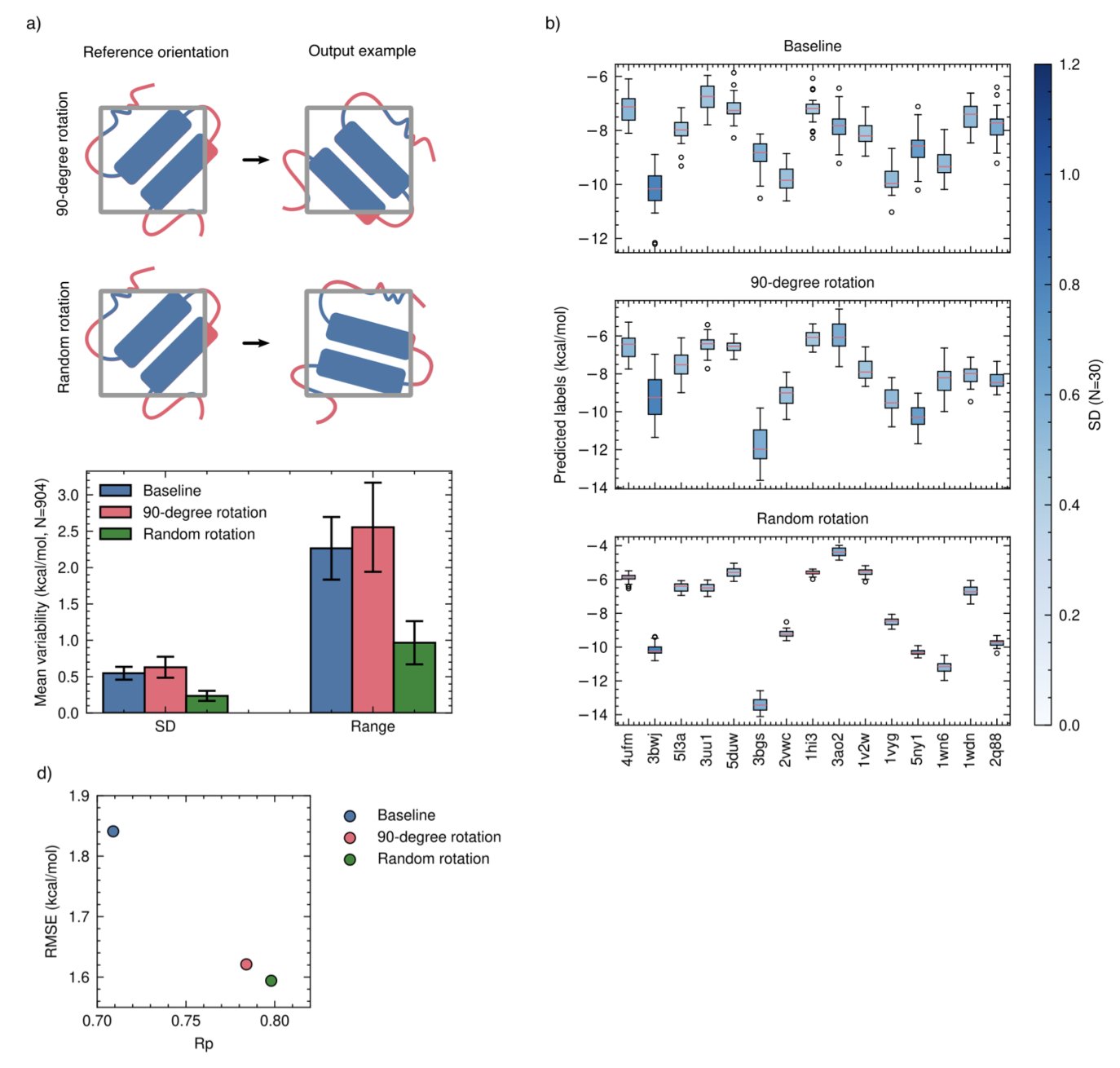
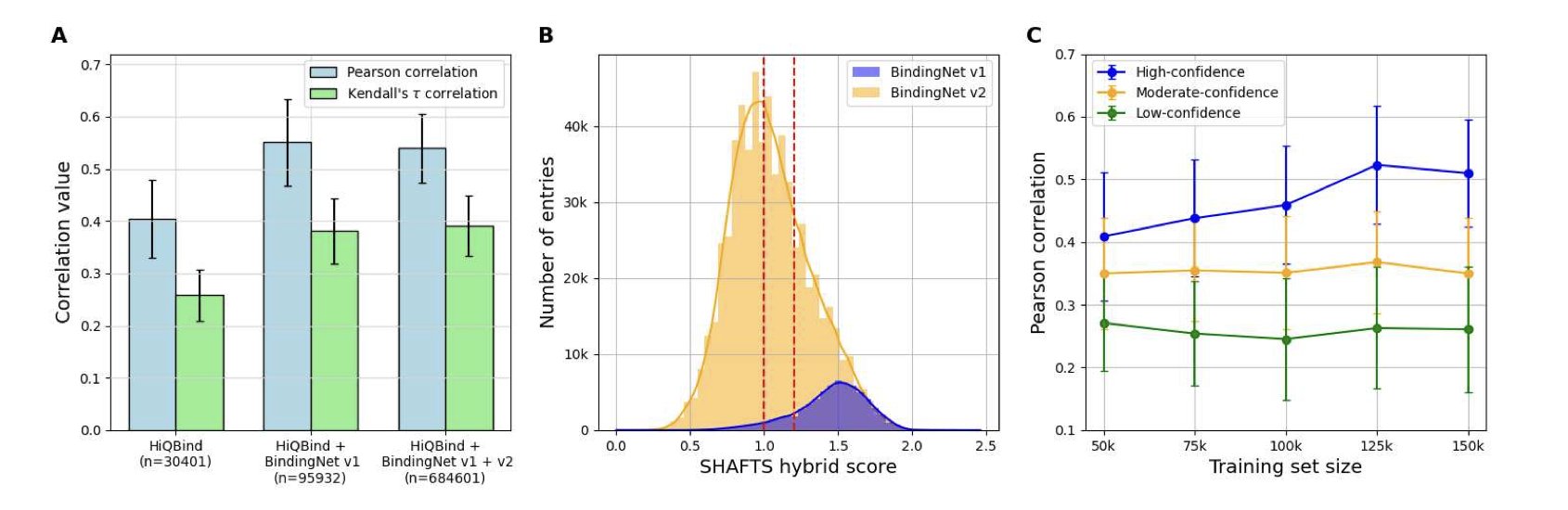
AI Predicts Binding Affinity: Training Matters More Than the Model
AI Drug Discovery
Computational Chemistry
Molecular Generation
Diffusion Models
Machine Learning
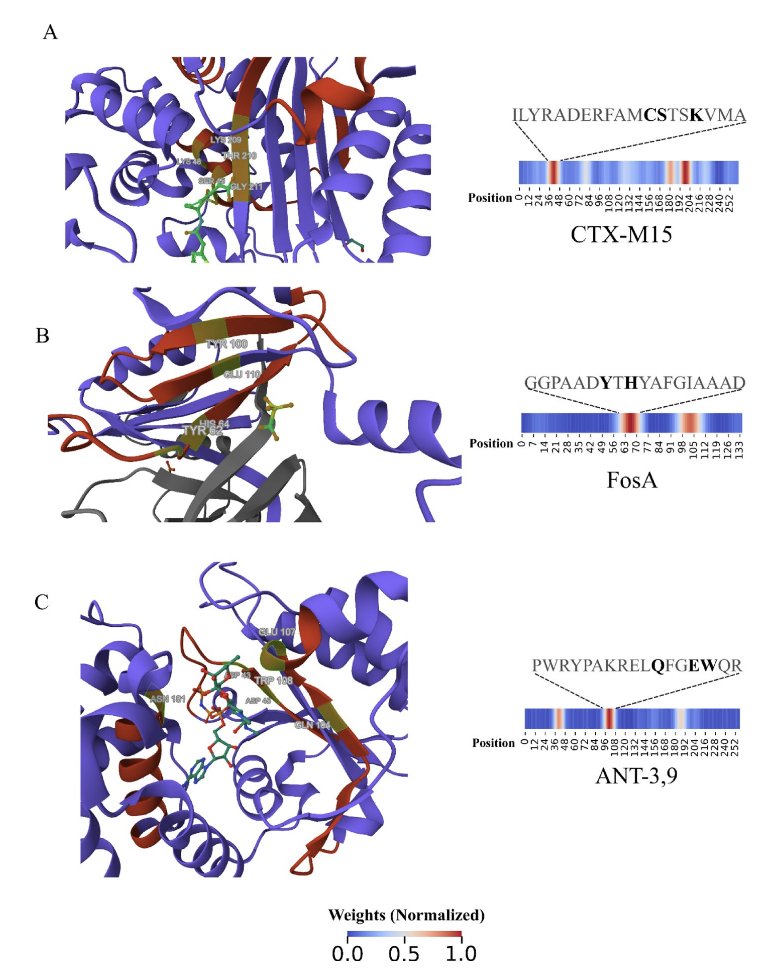
DeepSEA: Using AI to Find Hidden Antibiotic Resistance Proteins
AI Drug Discovery
Deep Learning
Bioinformatics
Molecule Generation
Antibiotic Resistance
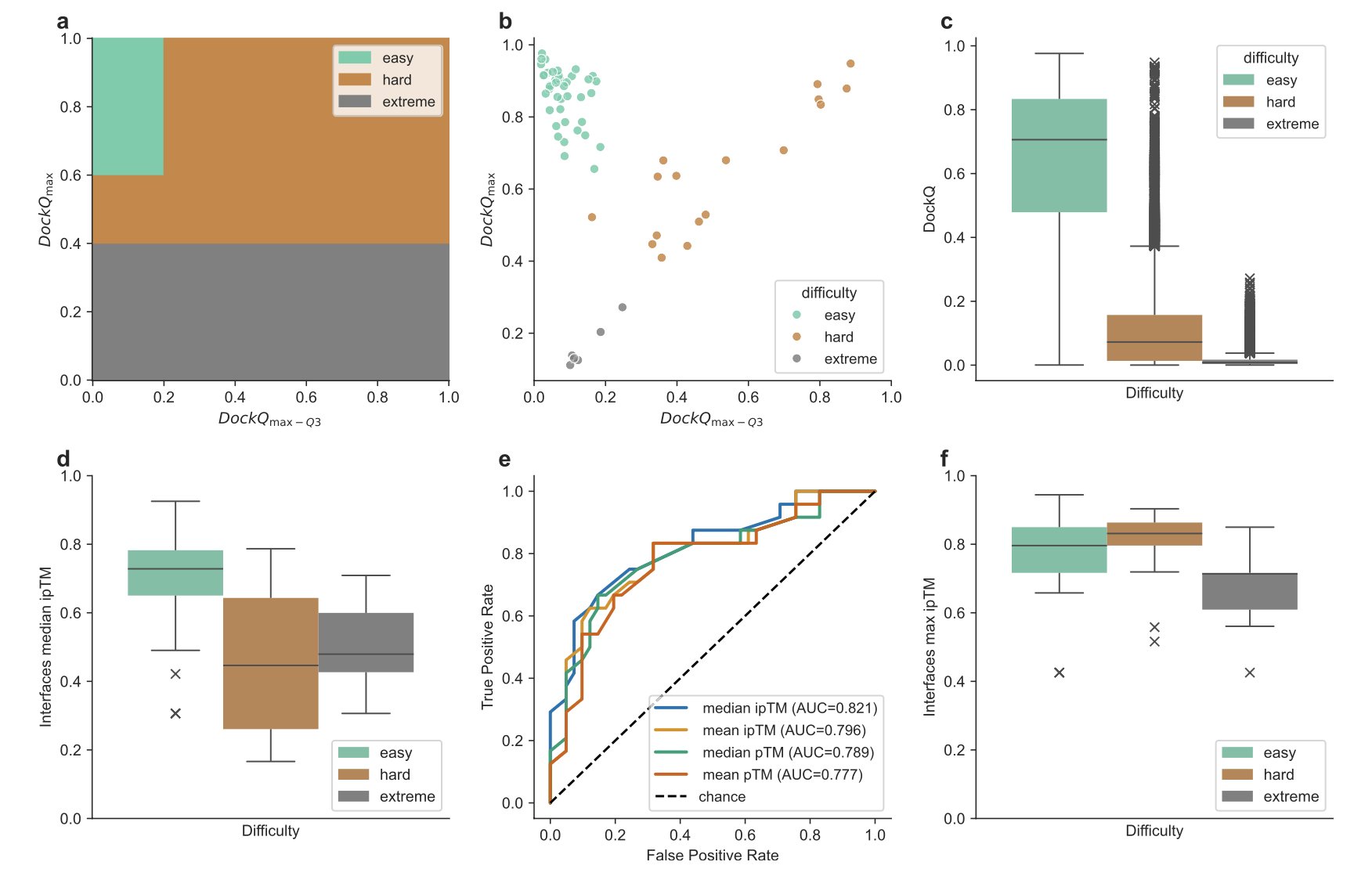
AlphaFold by Brute Force? How Massive Sampling Tackles Protein Complexes
AI Drug Discovery
AlphaFold
Large Language Models
Molecular Docking
Computational Chemistry
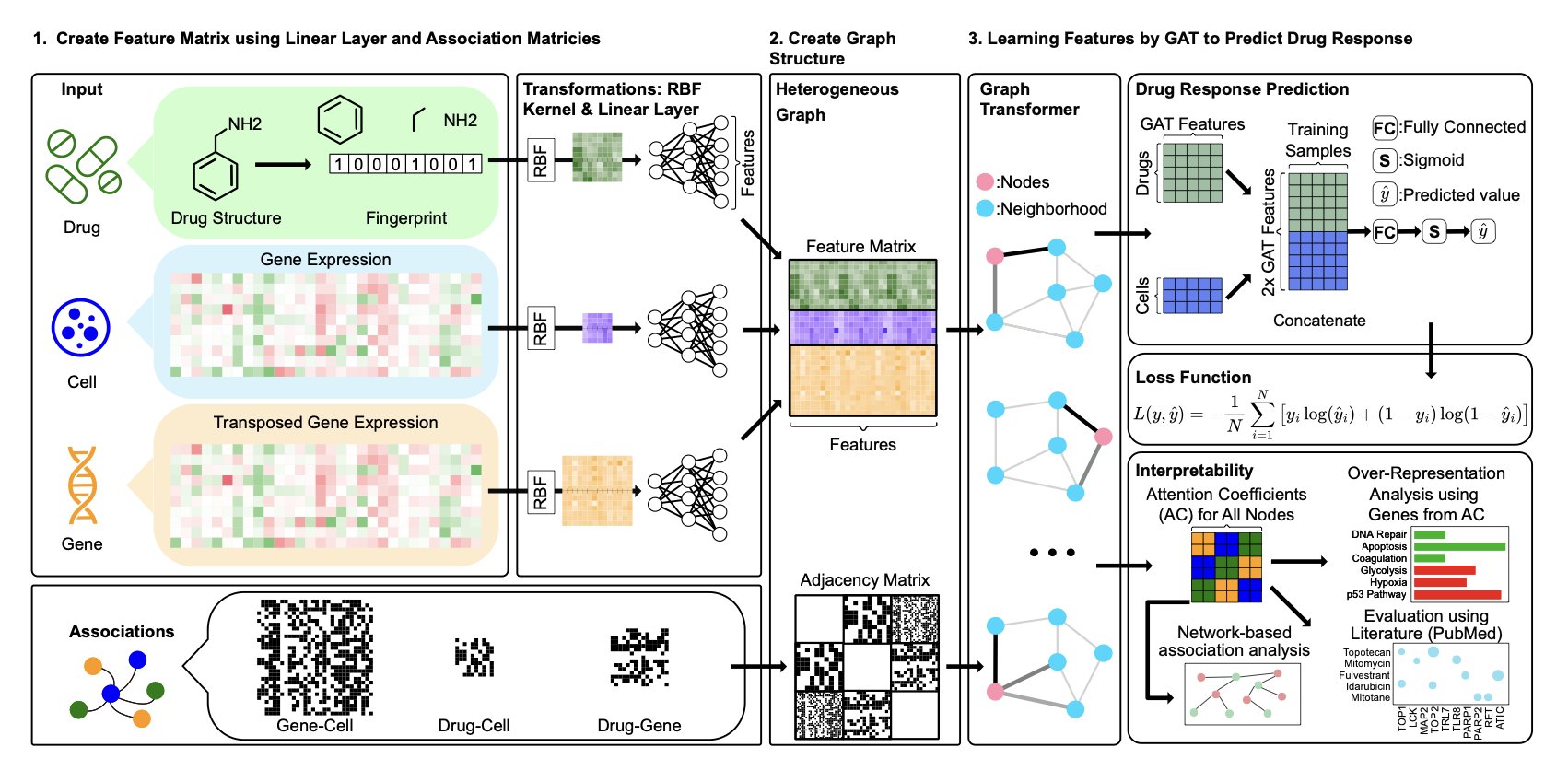
drGT: An AI That Not Only Predicts Drug Efficacy but Also Explains Why
AI Drug Discovery
PROTAC
Protein Language Models
Graph Attention Networks
Explainable AI
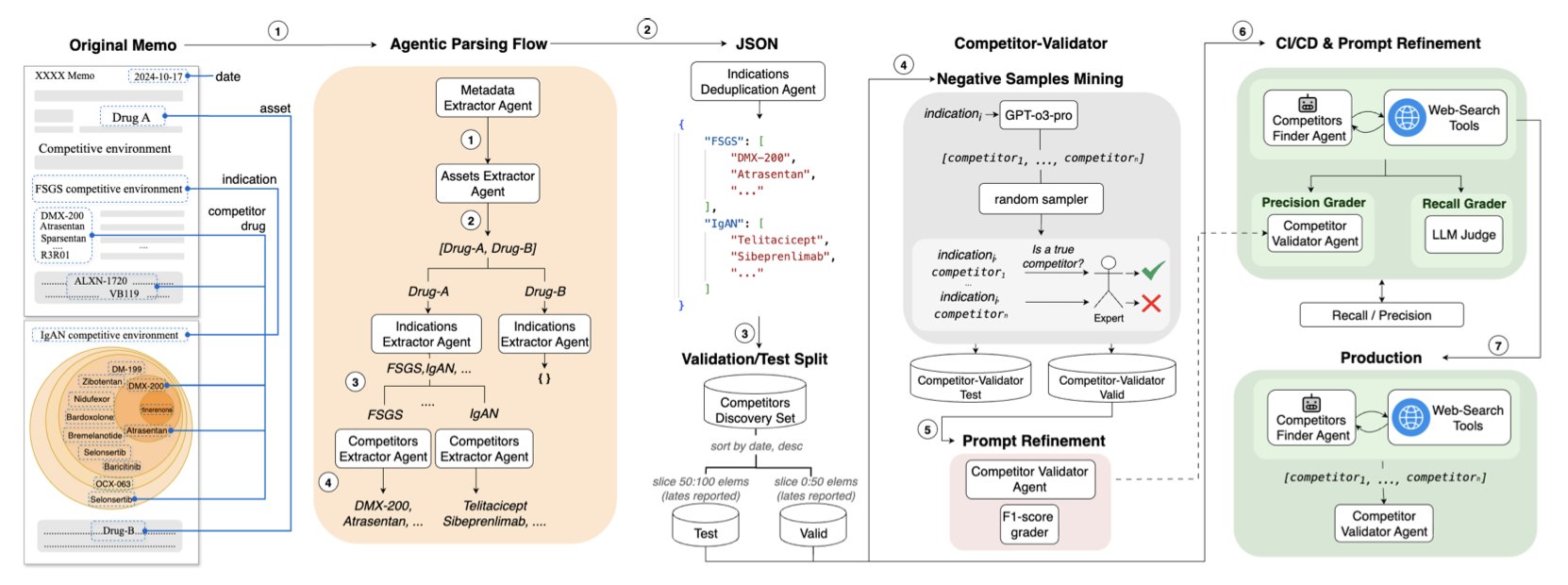
AI Due Diligence: 2.5 Days of Work Done in 3 Hours
AI Drug Discovery
Bioinformatics
Large Language Models
Knowledge Graphs
AI Agents
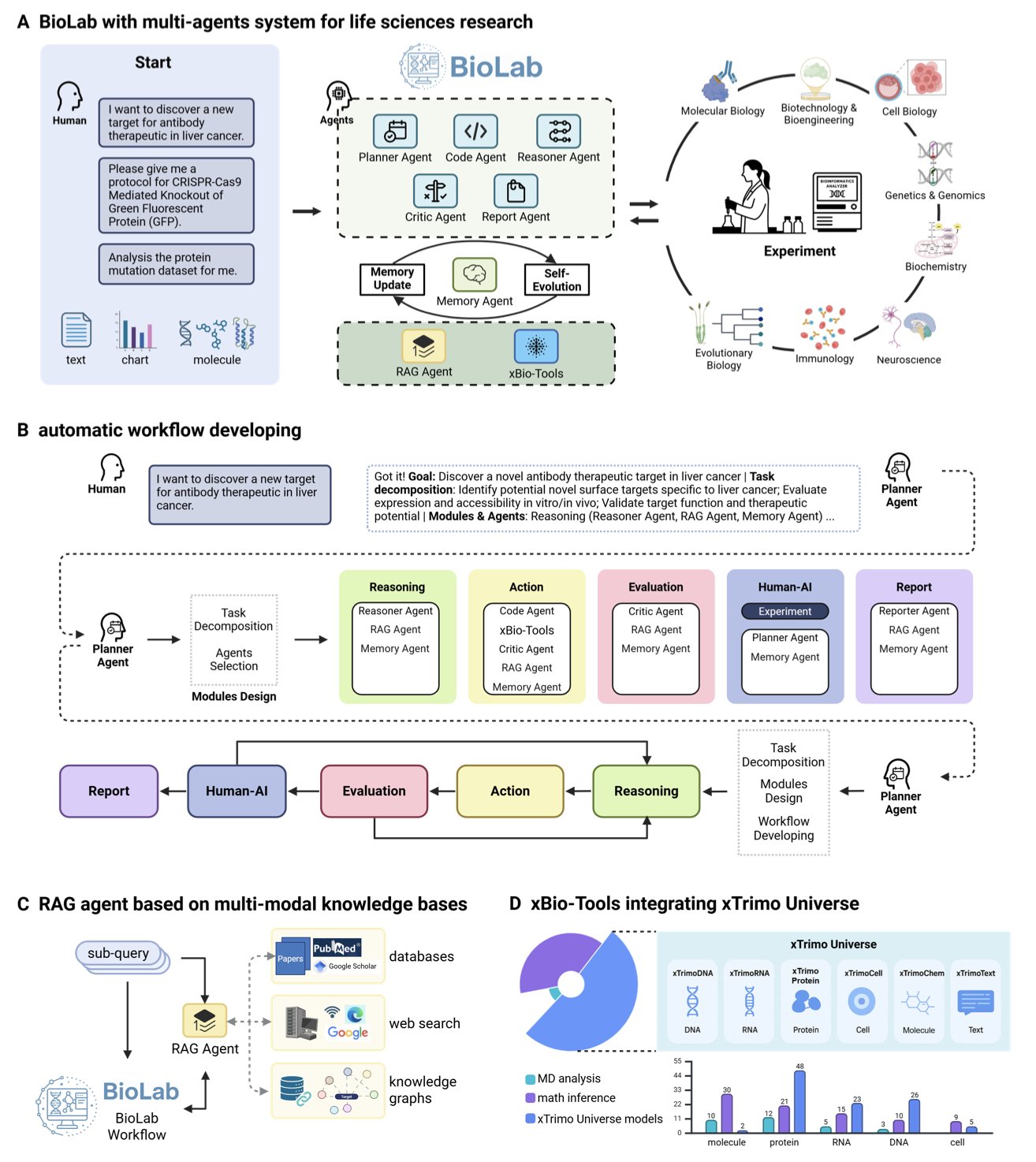
BioLab: An AI Agent System for End-to-End Drug Discovery
AI Drug Discovery
Graph Neural Networks
AI Agents
Antibody Design
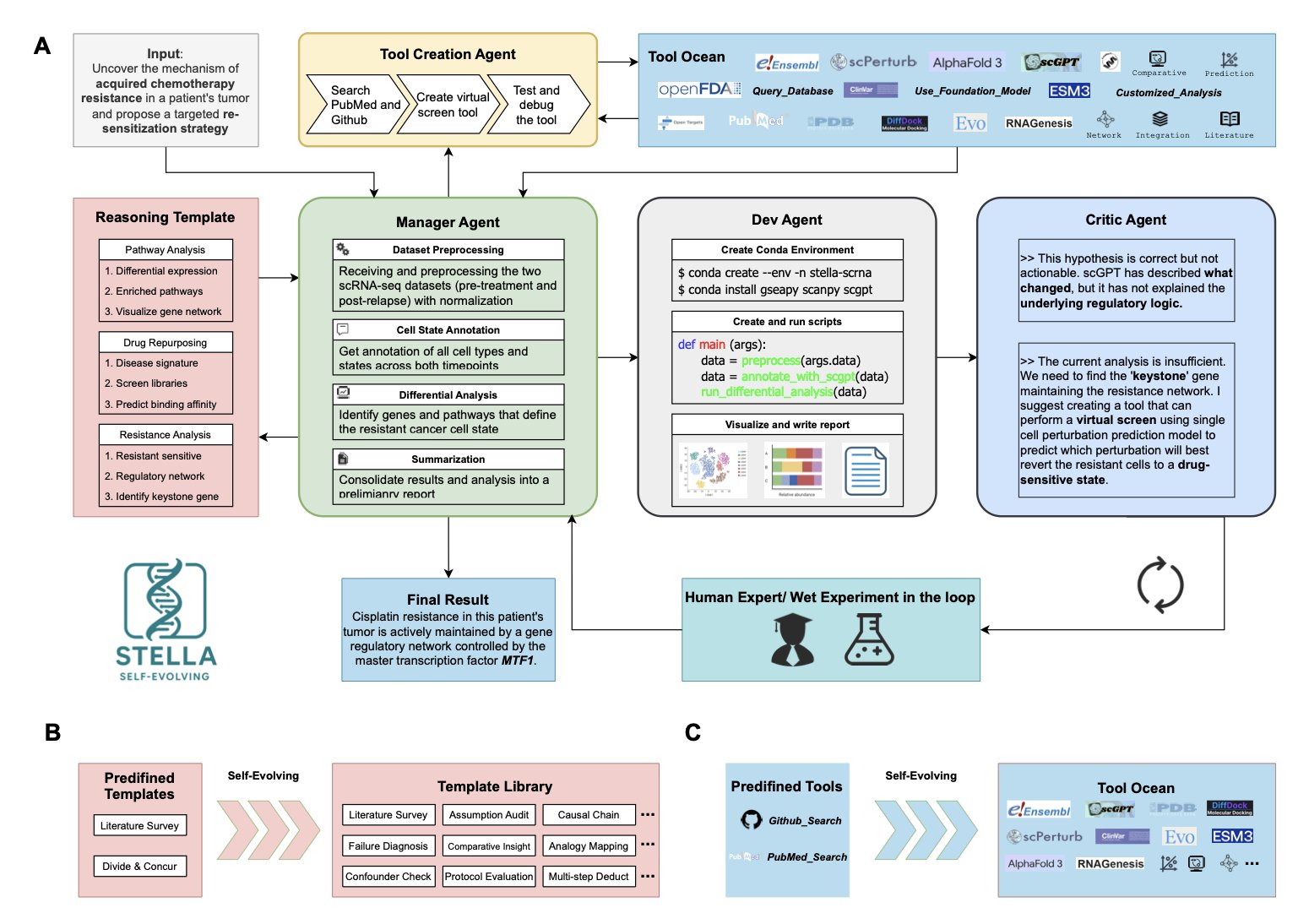
STELLA: The Self-Evolving AI Research Agent That Builds Its Own Tools
AI Agents
Large Language Models
Drug Discovery
AI for Science
Benchmarking
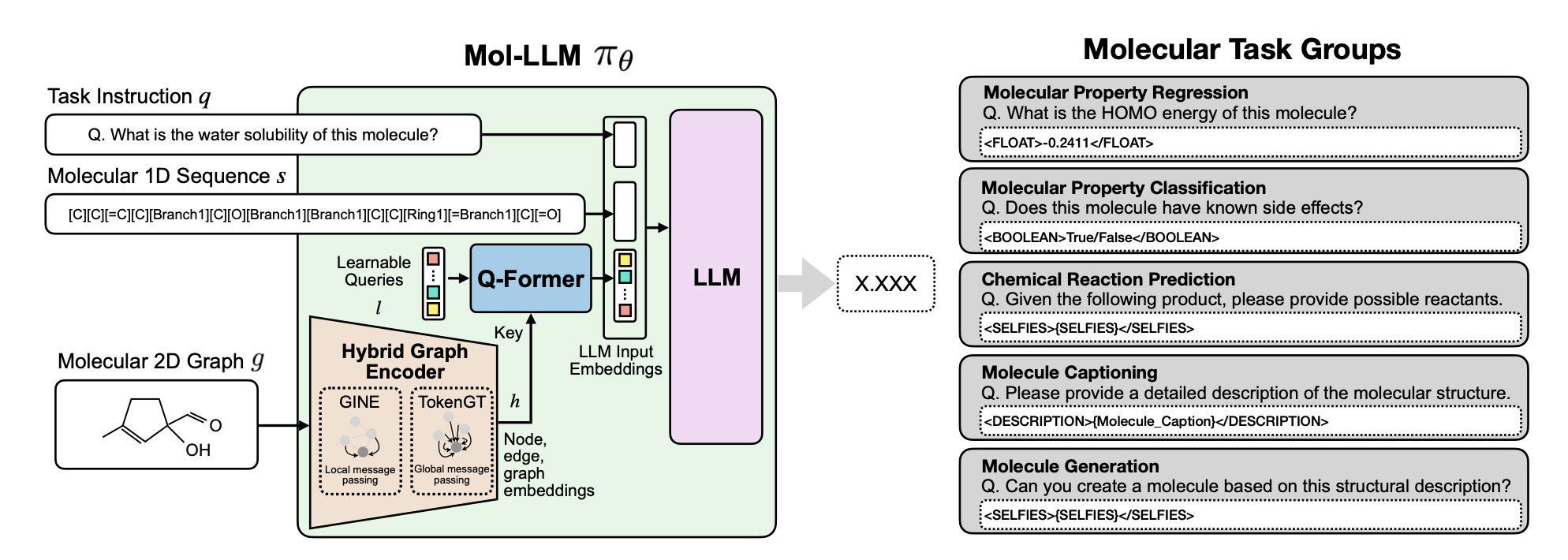
ADGSyn is Here! Drug Synergy Prediction is Now 3x Faster, More Accurate, and More Efficient
AI Drug Discovery
Drug Synergy
Graph Neural Network
AlphaFold
Single-Cell Analysis
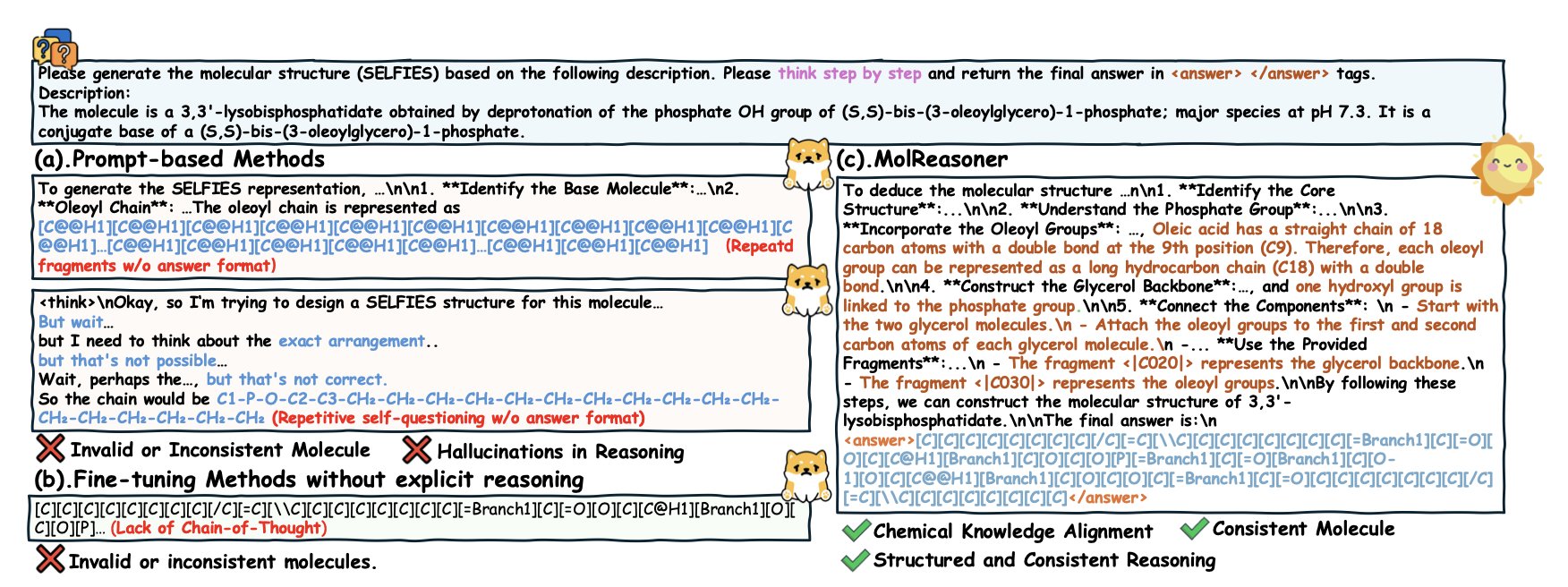
AI Stops Memorizing Answers: MolReasoner Teaches It to Think Like a Chemist
AI Drug Discovery
Deep Learning
Computational Biology
Protein Interactions
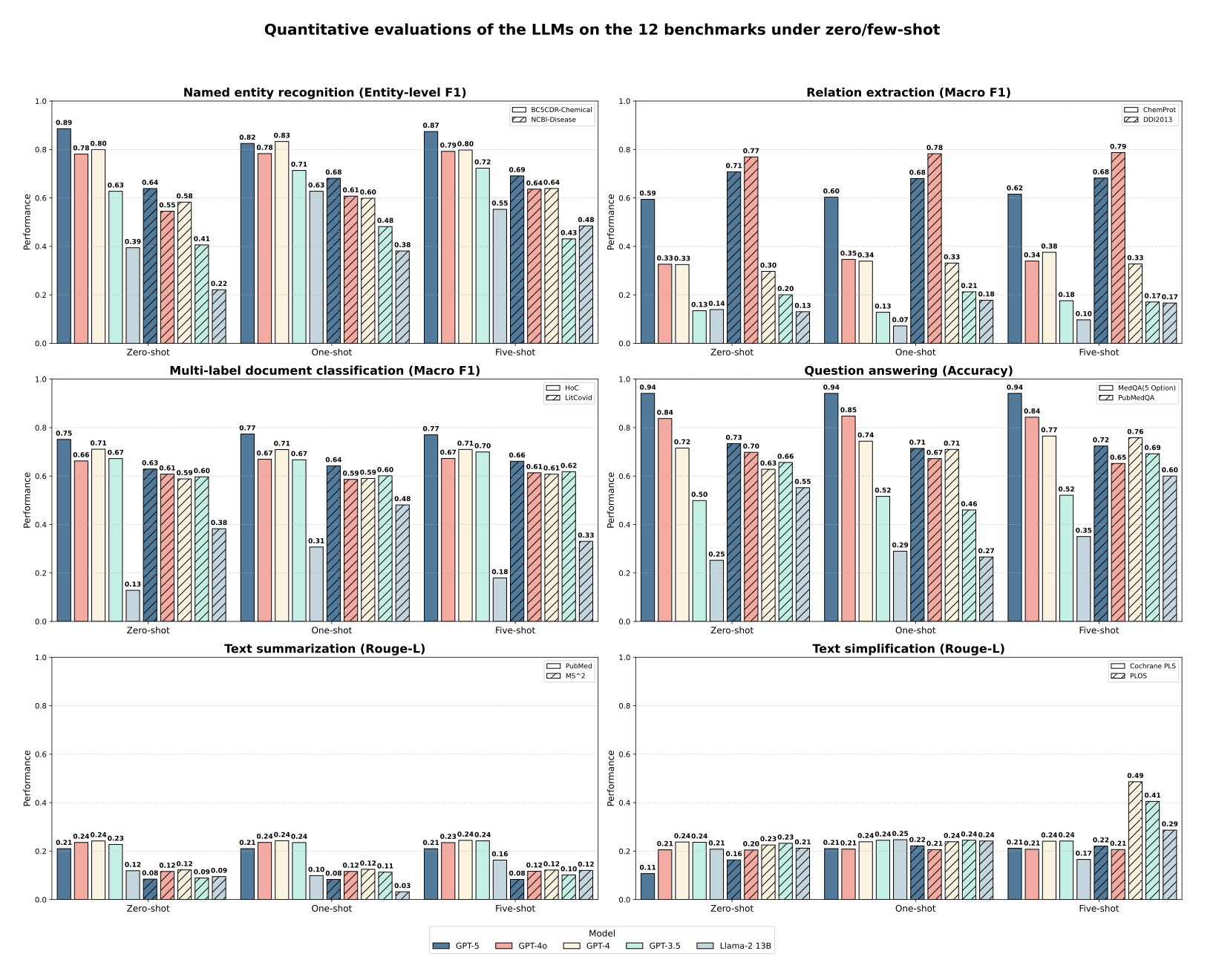
GPT-5 in Biomedicine: A New Turning Point for AI Drug Discovery?
AI Drug Discovery
Large Language Models
Bioinformatics
Causal Inference
Scientific Discovery
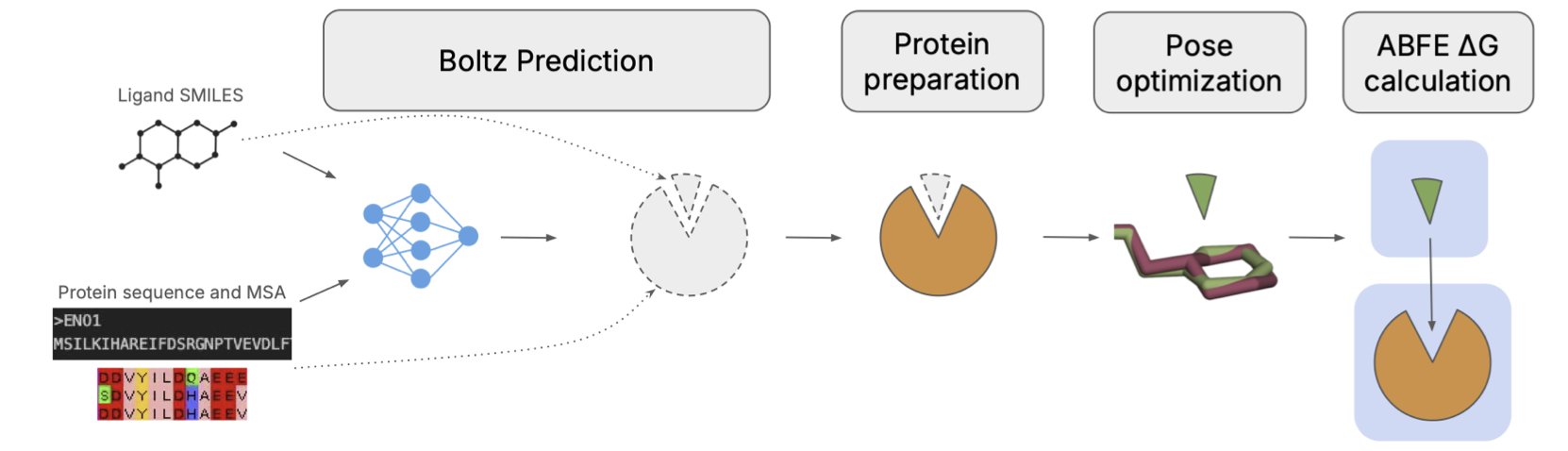
AI Finds a Path for FEP, Freeing It from Crystal Structure Dependency
AI Drug Discovery
Molecular Modeling
Protein Design
Large Language Models
Computational Chemistry
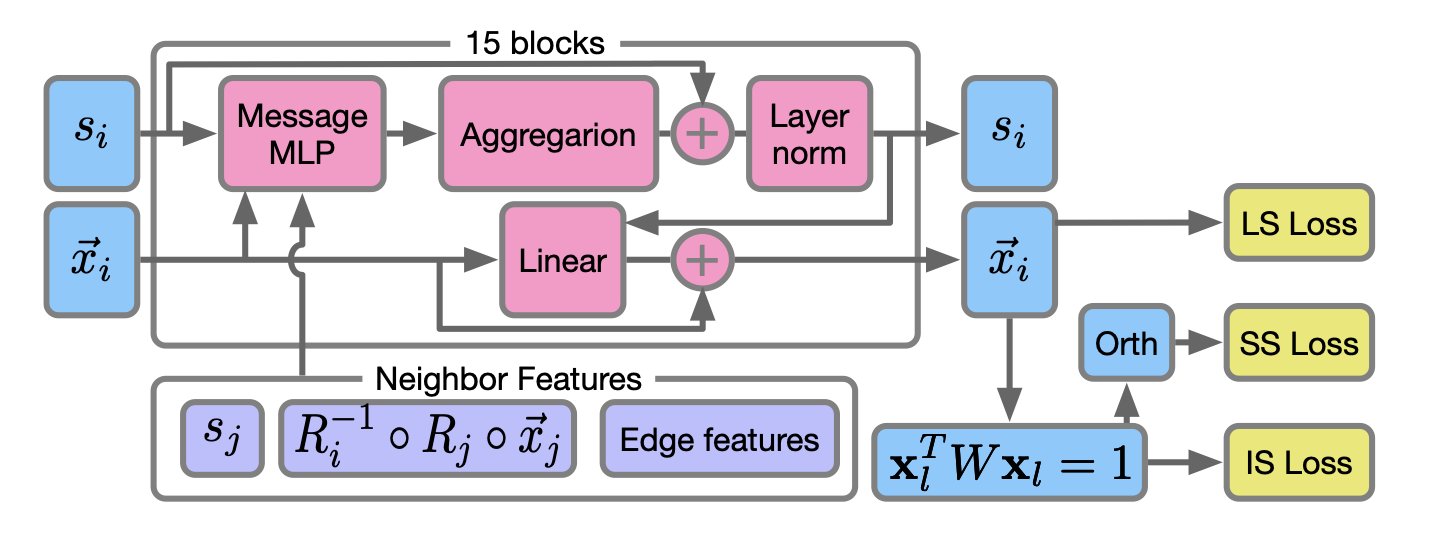
PETIMOT: An AI that Predicts Protein Dynamics, Incredibly Fast
AI Drug Discovery
Graph Neural Network
Interpretable AI
Molecular Generation
Protein Dynamics
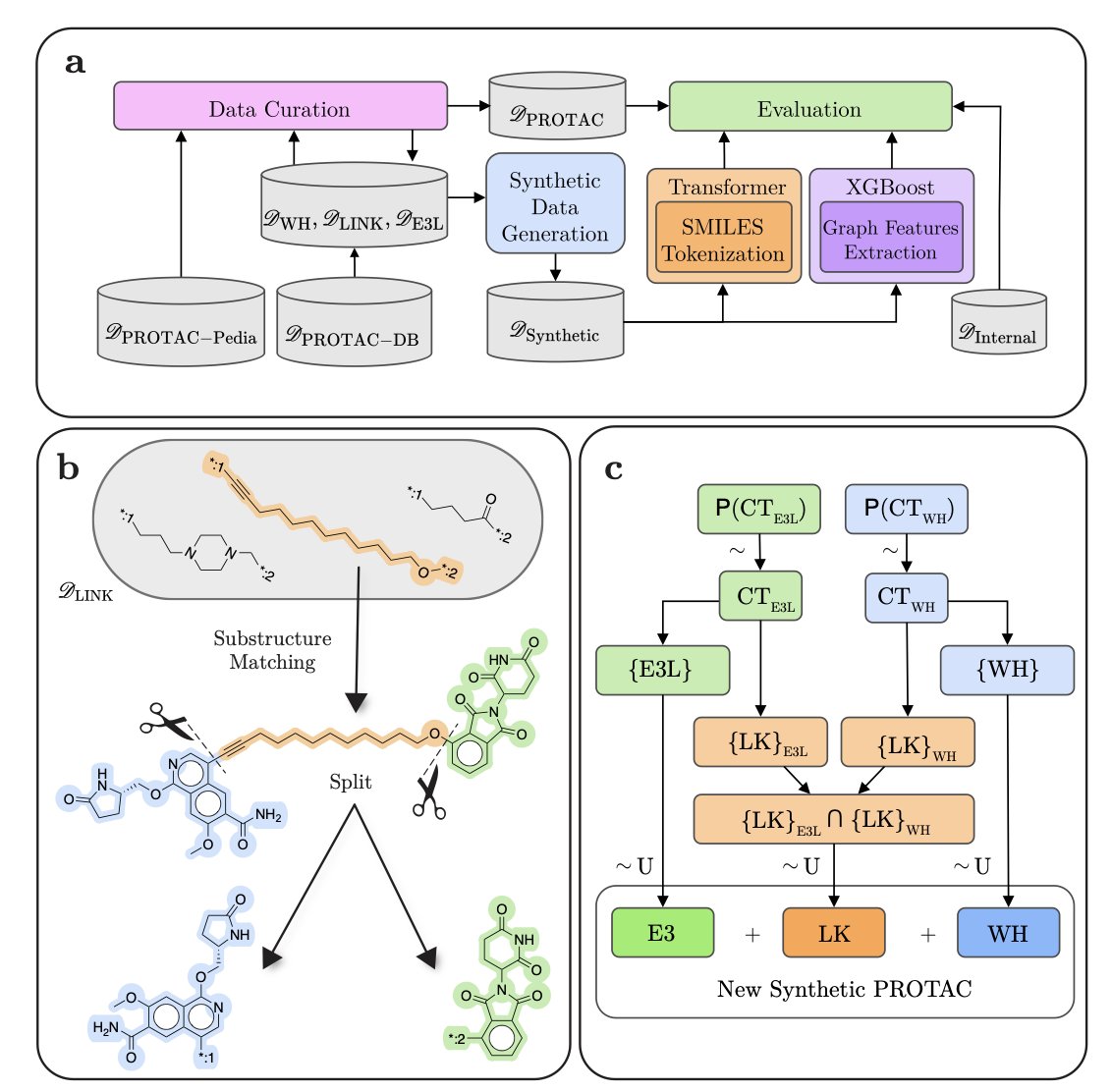
AI Precisely Deconstructs PROTACs, Freeing Up Medicinal Chemists
AI Drug Discovery
Computational Chemistry
PROTAC
Explainable AI
Machine Learning
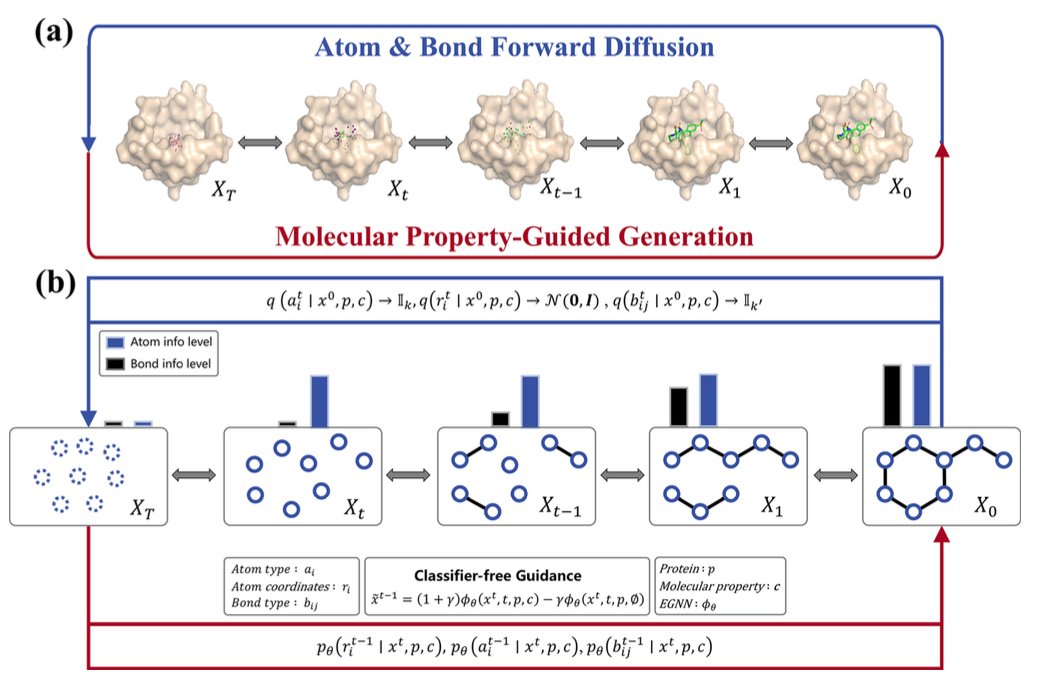
DiffGui: Building Molecules Like an Architect, Drawing the Skeleton Before Adding the Flesh
AI Drug Discovery
Bioinformatics
Large Language Models
Generative AI
Multimodal
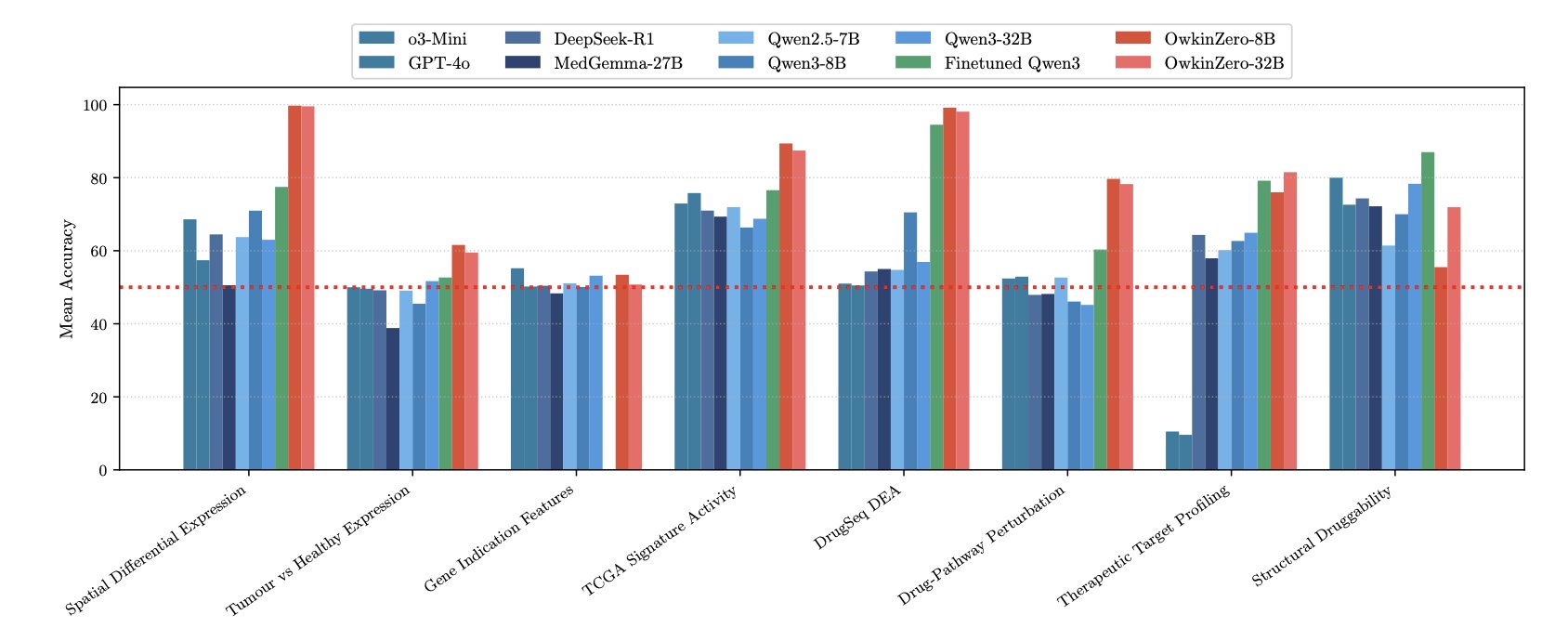
AI for Biological Reasoning: Small Models Beat Big Models
AI Drug Discovery
Deep Learning
Large Language Models
Molecular Dynamics
ADME Prediction
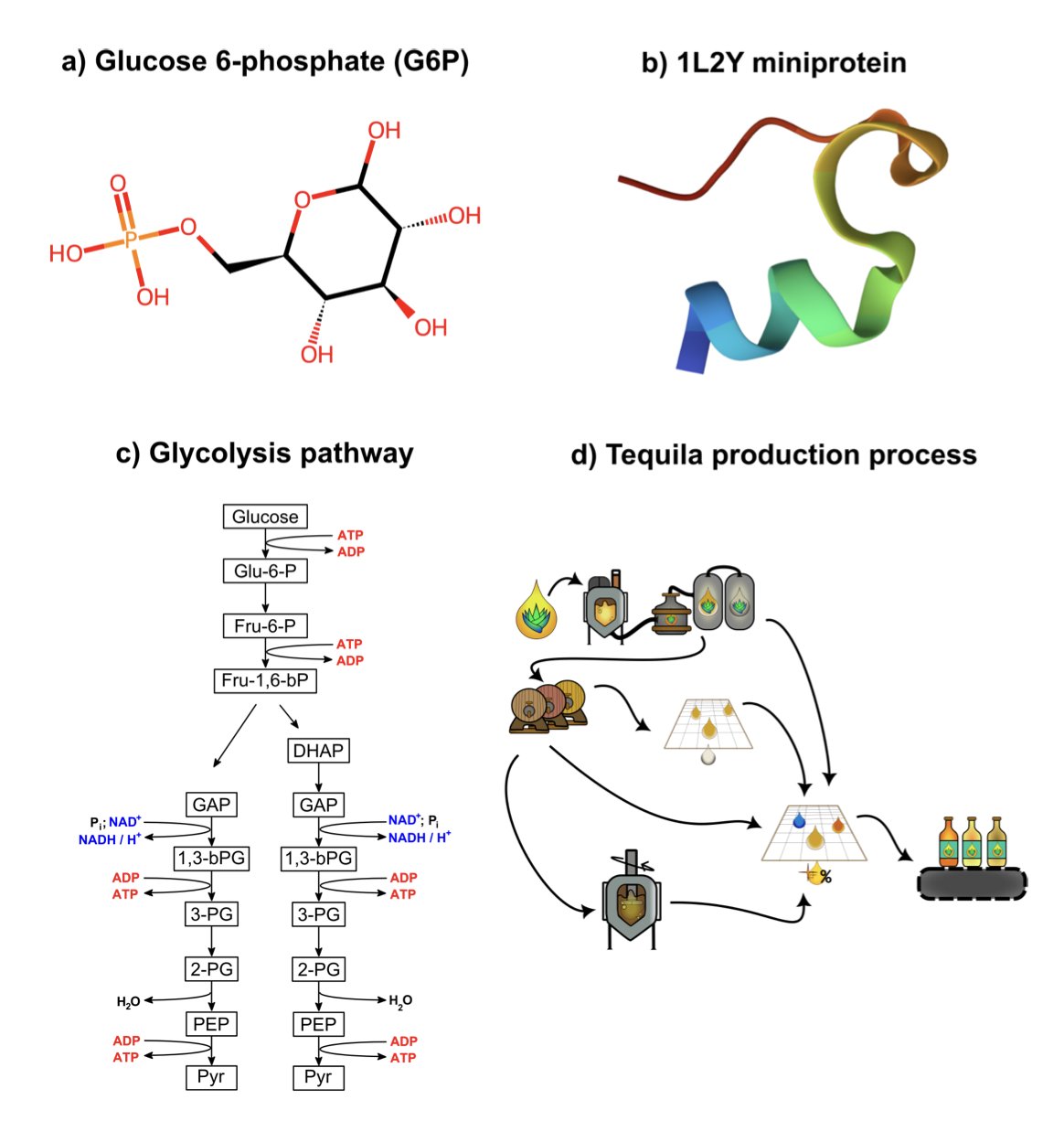
Graph Neural Networks: The Universal Language of Chemistry
AI Drug Discovery
Graph Neural Networks
Molecule Generation
AI Agents
Physics-Based Energy Models
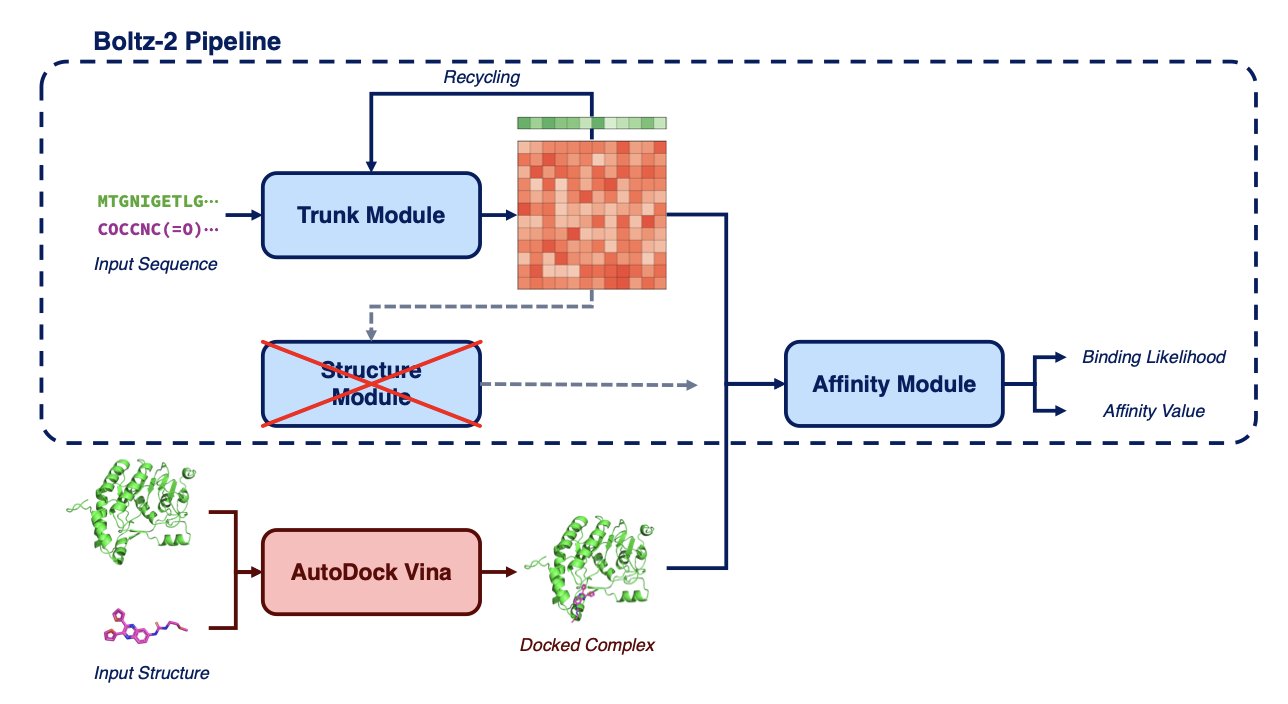
Boltzina: Making AI Drug Screening Both Fast and Accurate
AI Drug Discovery
Virtual Screening
Protein Function Prediction
Oncology
Multimodal AI
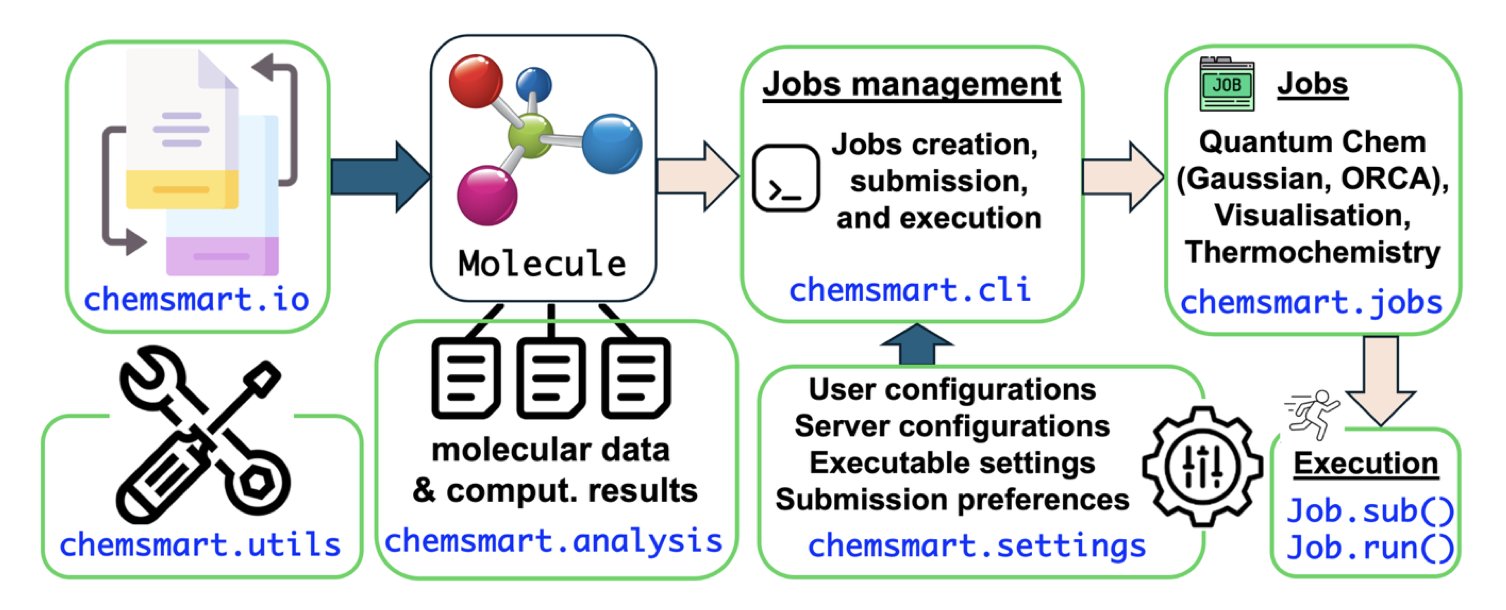
Chemsmart: Saying Goodbye to the ‘Manual Workshop’ of Computational Chemistry
AI Drug Discovery
Computational Chemistry
Generative Models
Reinforcement Learning
Molecular Docking
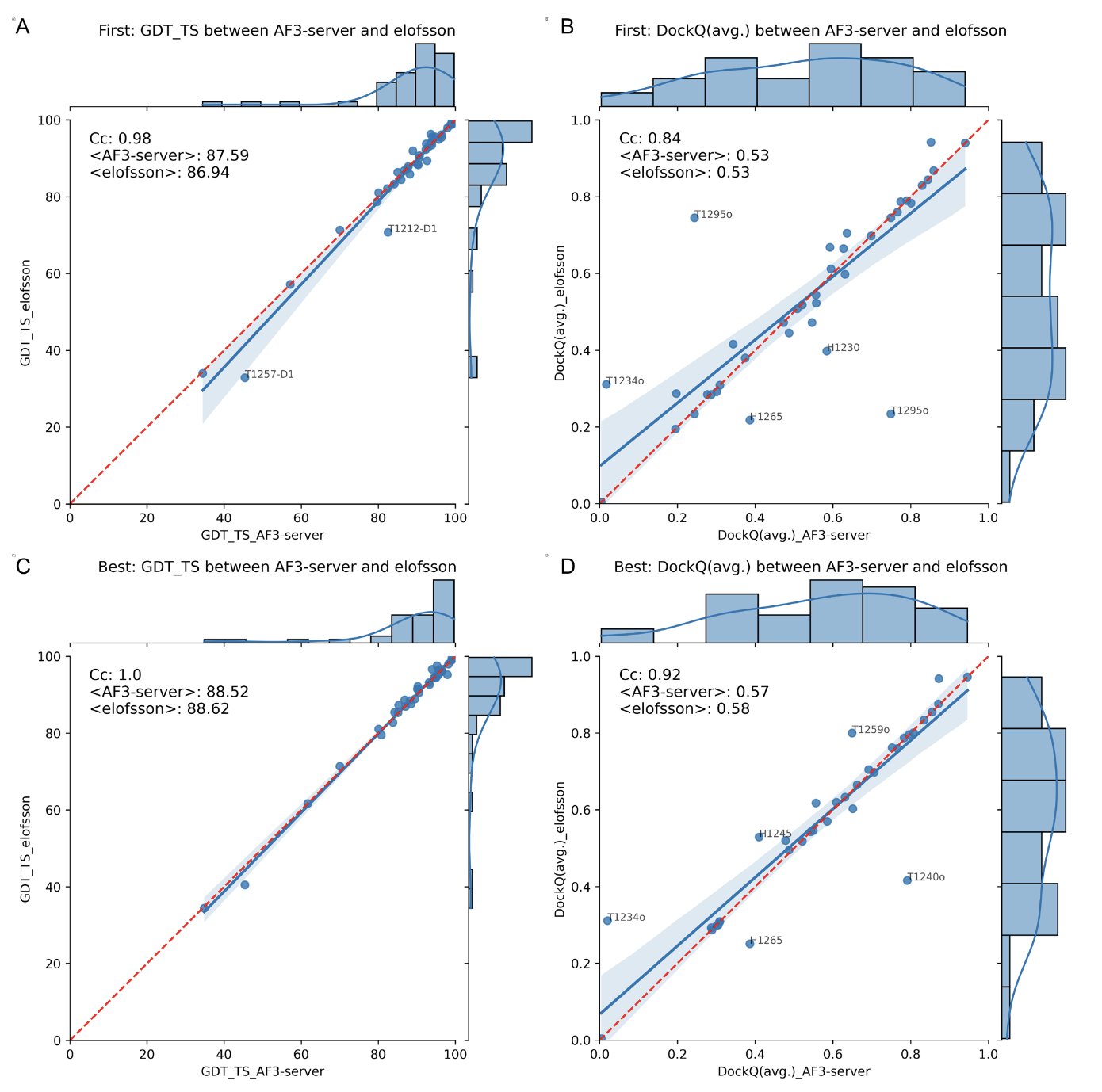
AlphaFold3 at CASP16: Evolved, but Not Yet a God
AI Drug Discovery
Protein Structure Prediction
AlphaFold3
Molecular Generation
Diffusion Models
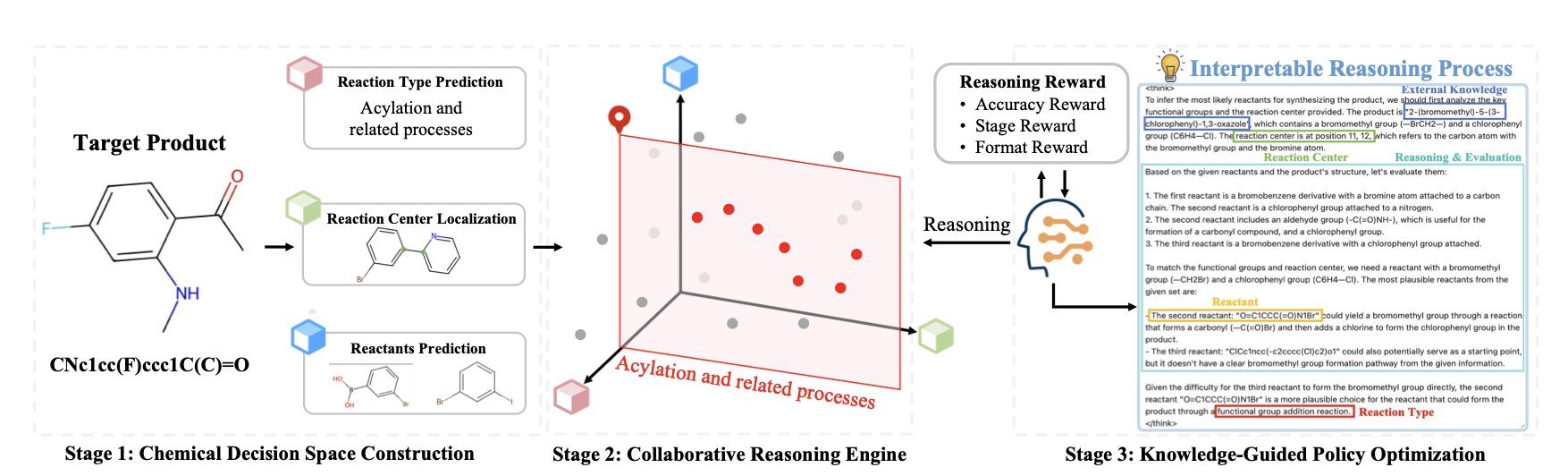
A New Way for AI Chemists: Retro-Expert Makes Retrosynthesis Explainable
AI Drug Discovery
Computational Chemistry
Retrosynthesis
VAE
Drug Design
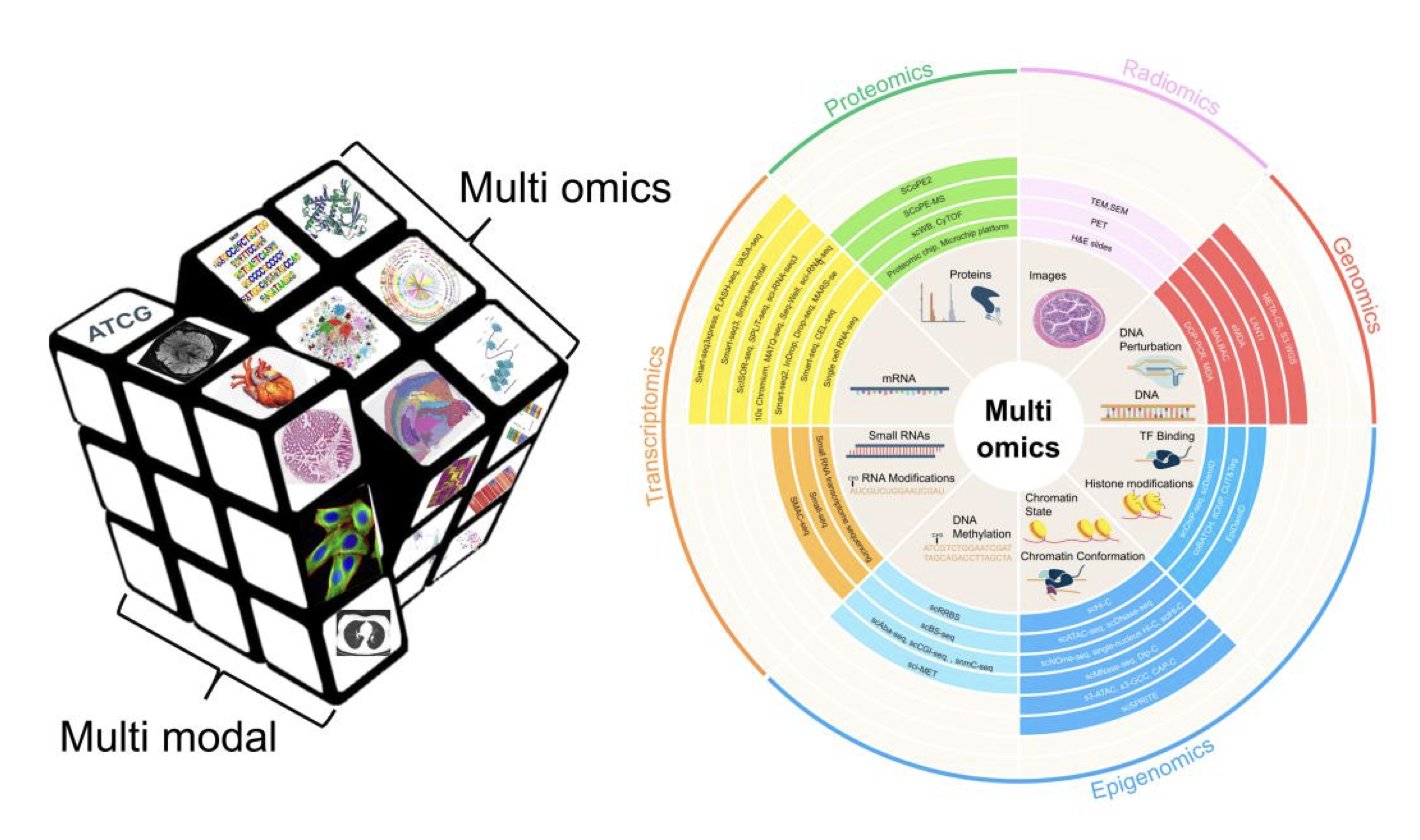
The AI Virtual Human: Drug Discovery’s Ultimate Flight Simulator
AI in Pharma
Drug Discovery
Machine Learning
Computational Chemistry
Large Language Models
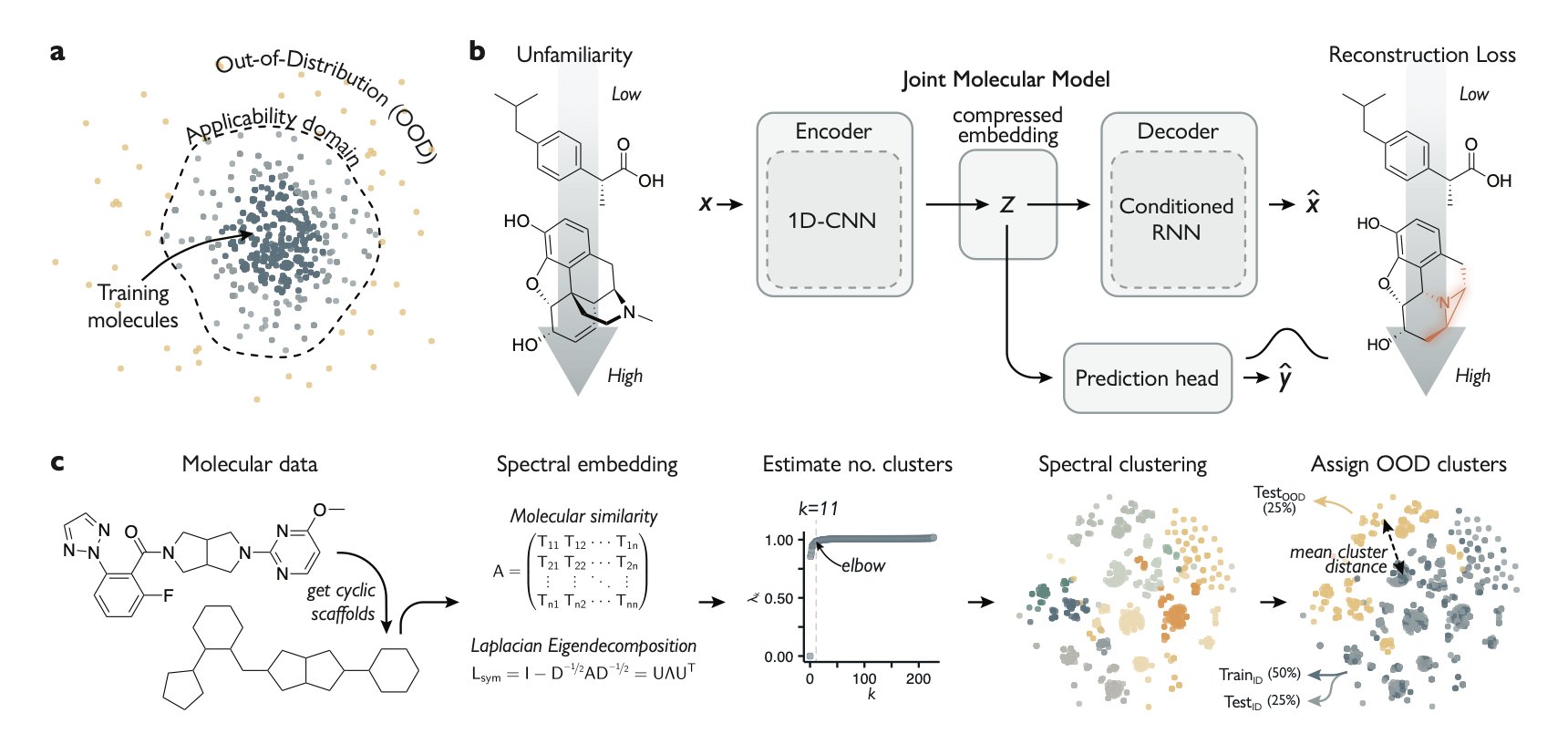
When AI Learns to Say ‘I Don’t Know’
AI Drug Discovery
Generative AI
Large Language Models
Protein Structure
Bioinformatics
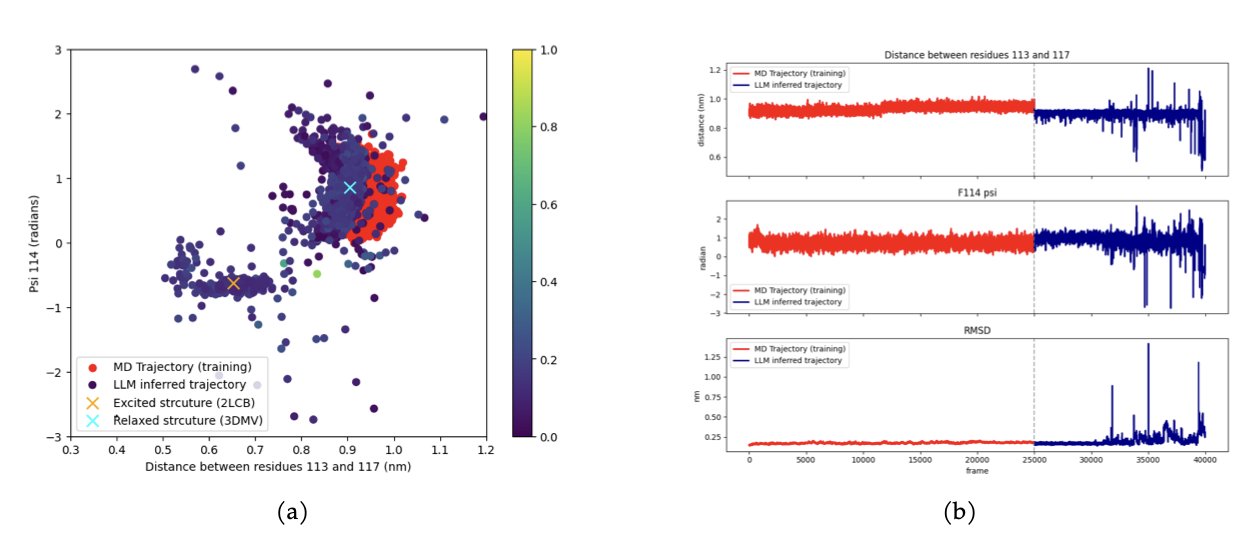
AI Tackles Molecular Dynamics: Predicting the Other Side of Proteins
AI Drug Discovery
Machine Learning
Molecular Dynamics
Binding Free Energy
Molecular Glues
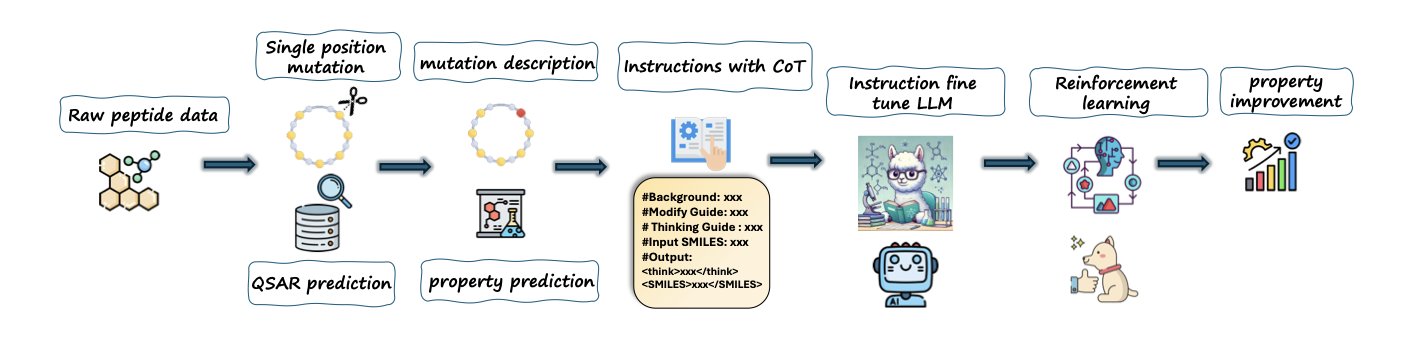
PepThink-R1: A Cyclic Peptide Optimization AI That Can ‘Think’
AI Drug Discovery
Generative Models
Large Language Models
Graph Neural Networks
Bioinformatics
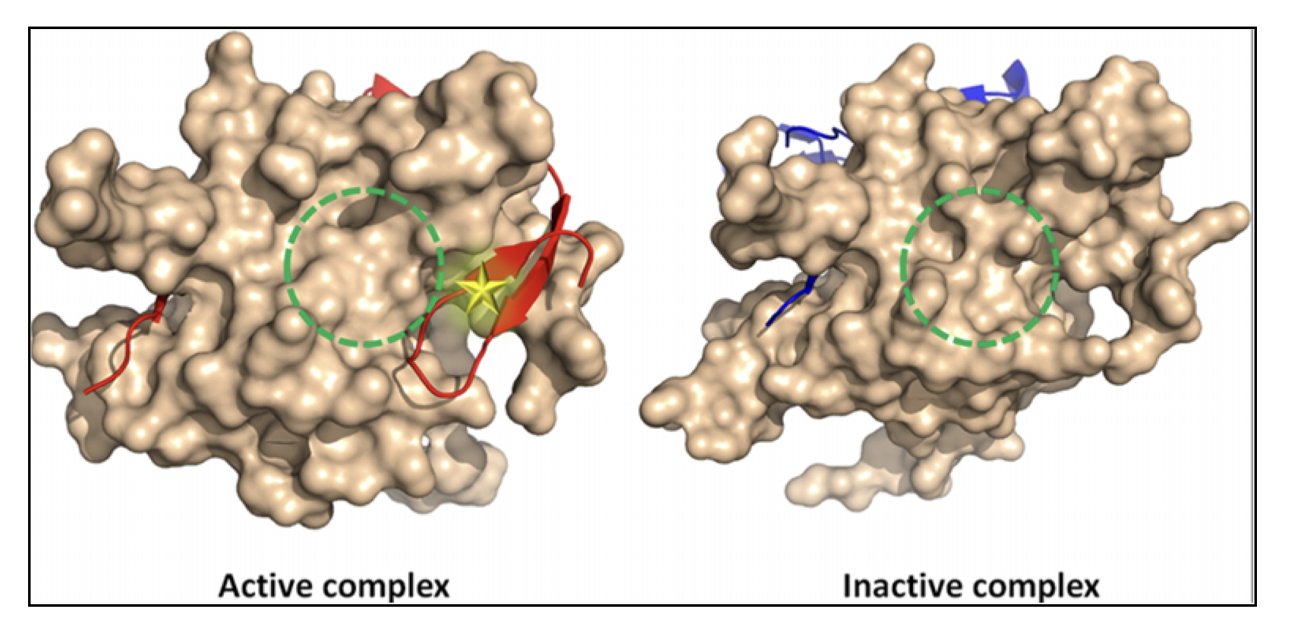
Q-MOL: Mapping Protein ‘Terrains’ to Find Drugs
AI Drug Discovery
Protein Structure
Computational Drug Design
Bioinformatics
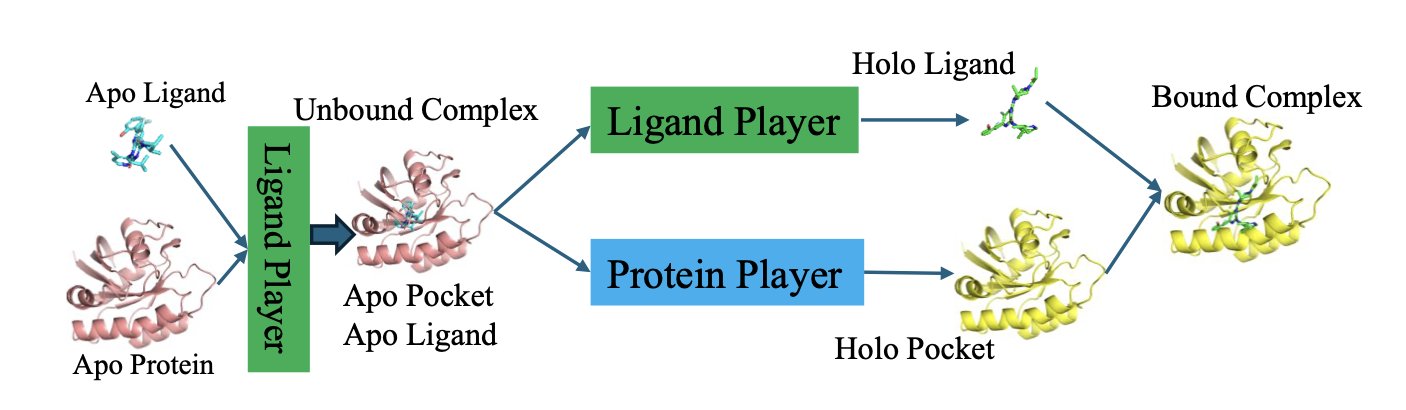
A New Game in Molecular Docking: Let the Protein and Ligand Play Against Each Other
AI Drug Discovery
Molecular Docking
Medical NLP
Chemical Reaction Prediction
AI for Science
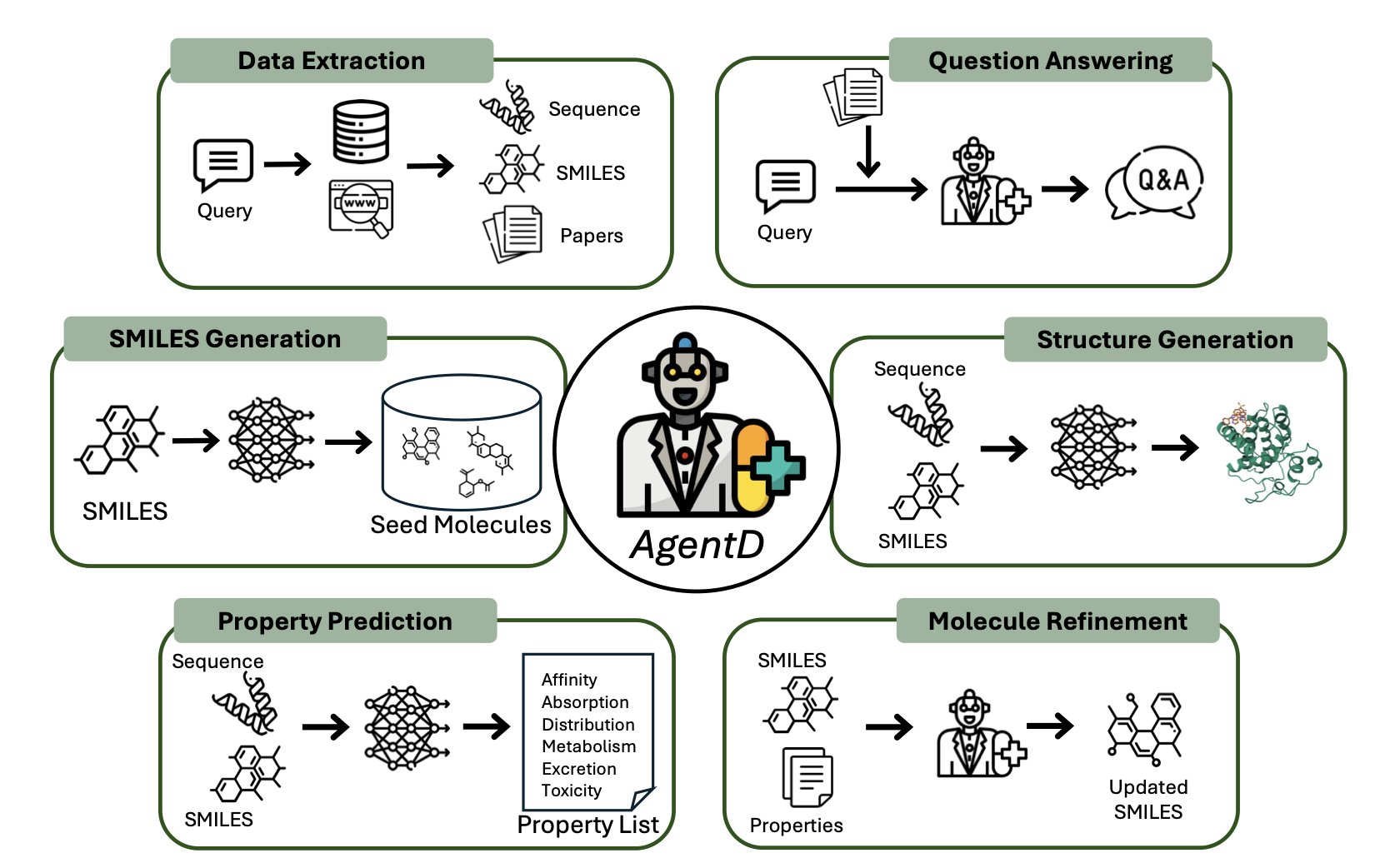
AgentD: An AI Drug Discovery Pipeline. Can It Really Do It All with One Click?
AI Drug Discovery
Molecule Generation
Large Language Models
Binding Site Prediction
Computational Chemistry
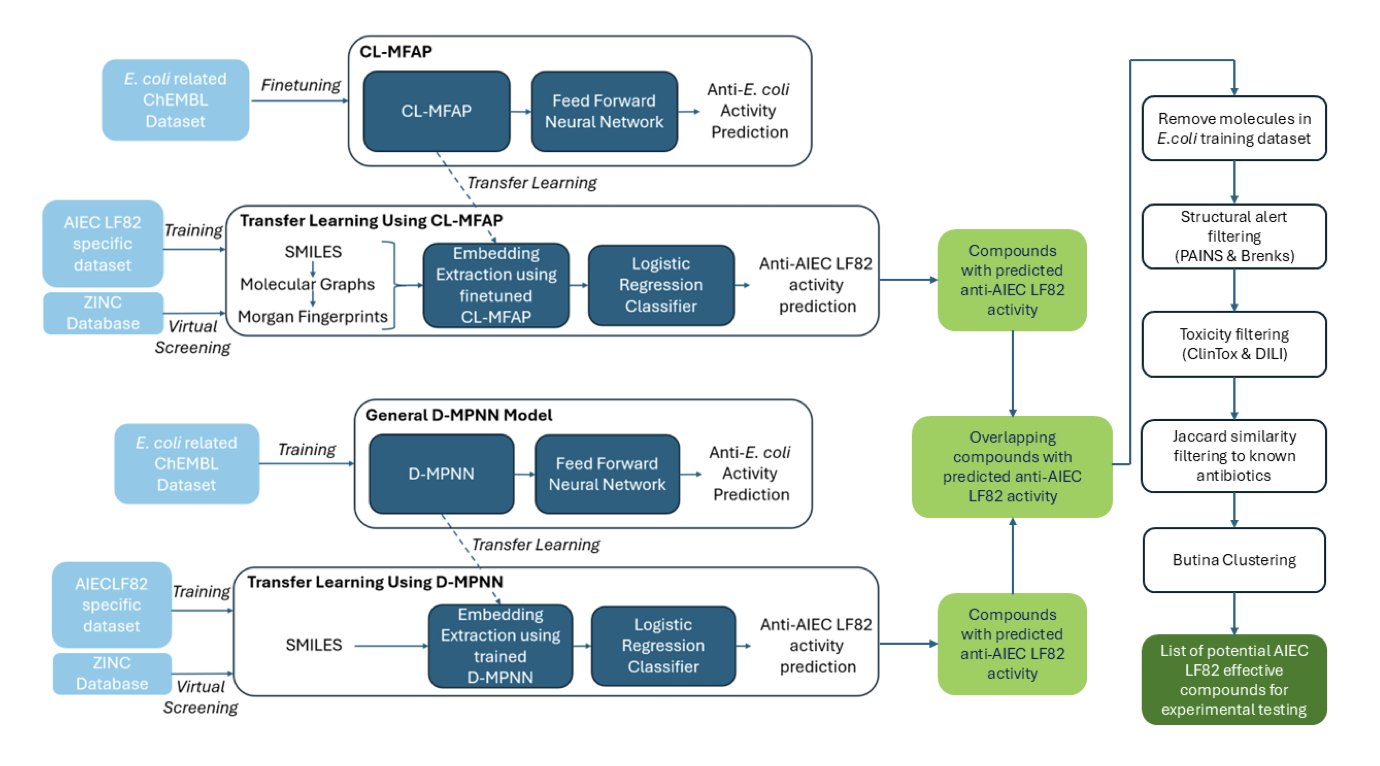
The Frontier of AI Drug Discovery: Uncovering Protein Dynamics, Fighting Superbugs, and Solving Activity Cliffs
AI Drug Discovery
AlphaFold2
Transfer Learning
Hyperbolic Space
Protein Conformation
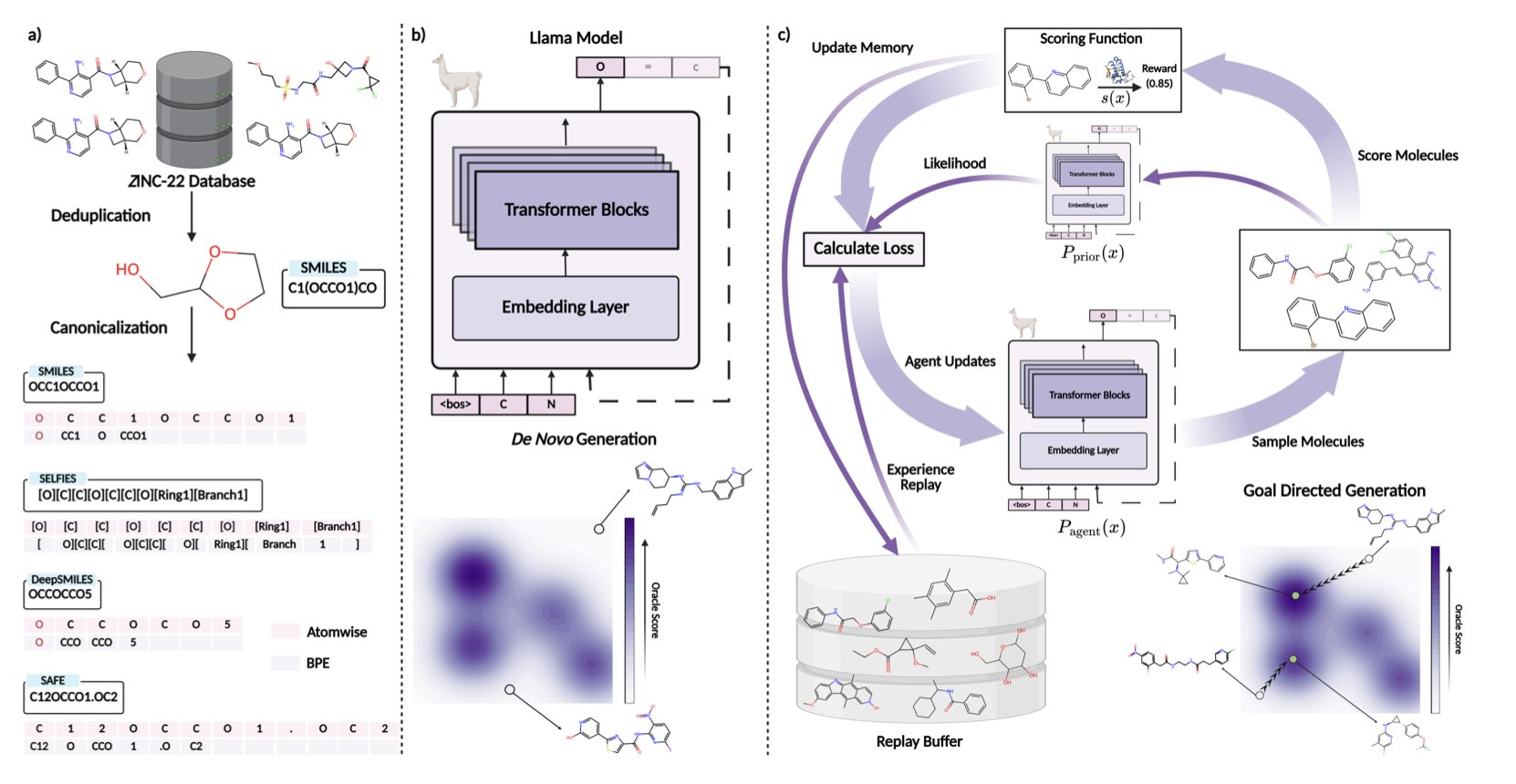
AI in Drug Discovery: A Deep Dive into Five Recent Papers
AI Drug Discovery
Molecular Language Model
Multimodal Learning
Property Prediction
Knowledge Graph
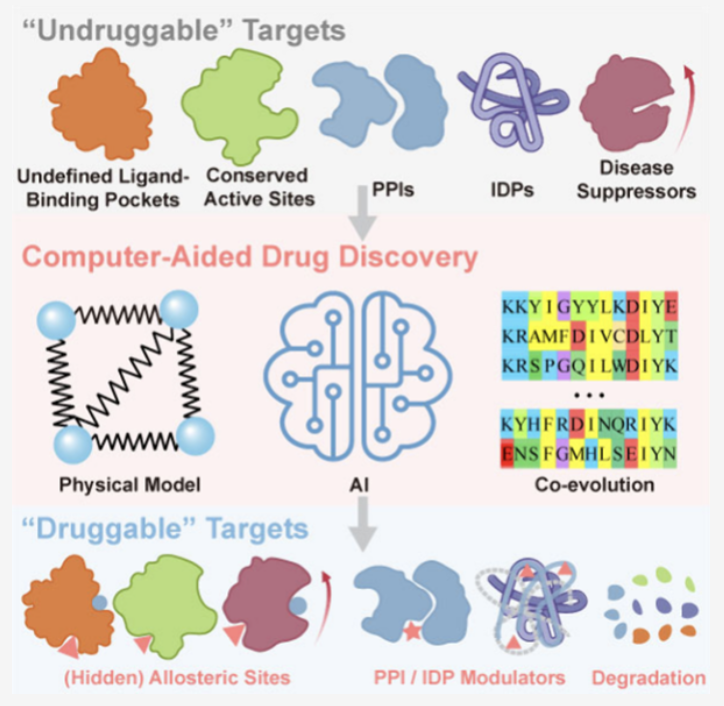
AI in Drug Discovery: From Repurposing Old Drugs to Tackling ‘Undruggable’ Targets
AI Drug Discovery
Drug Repurposing
Graph Neural Network
Contrastive Learning
Undruggable Targets
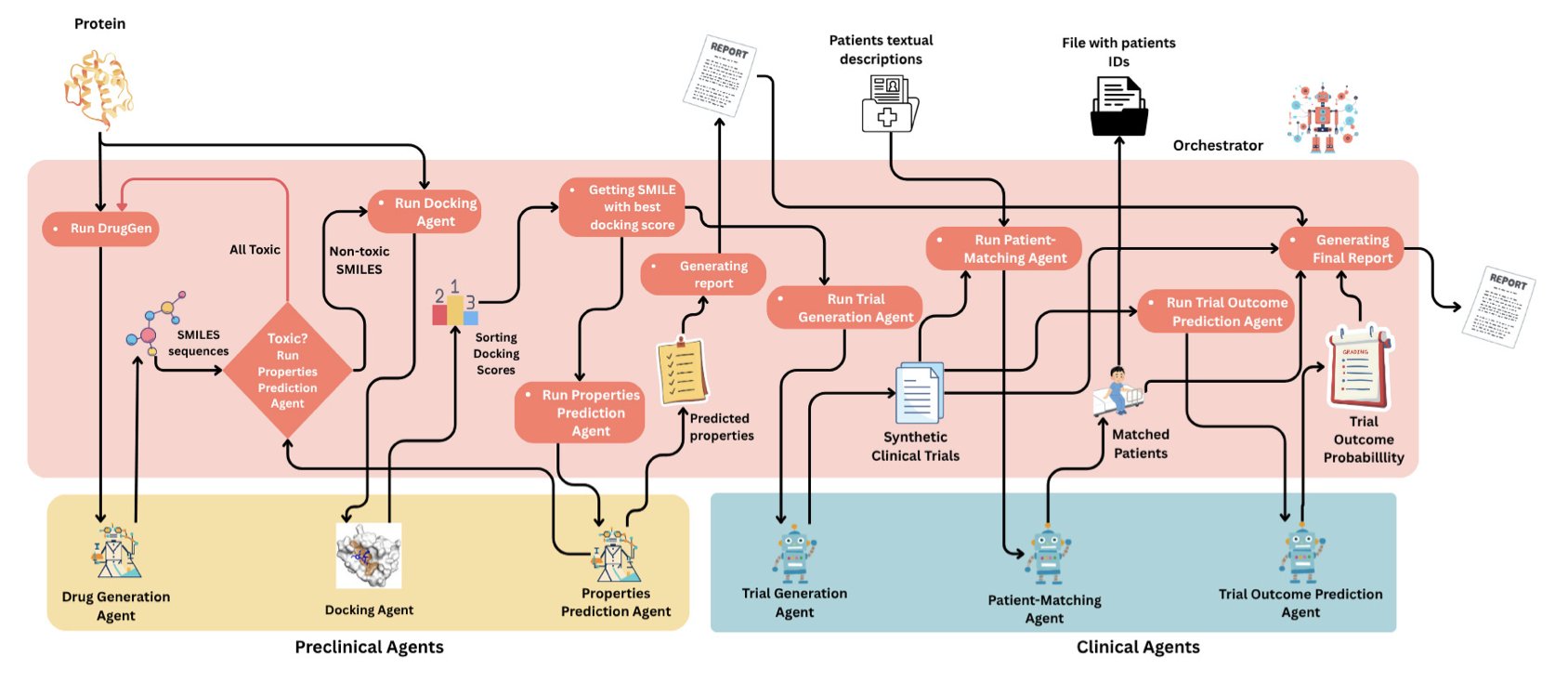
From Automated Literature Extraction and Full-Process Agents to Real-World Physical Validation
AI Drug Discovery
Large Language Models
AI Agents
Computational Chemistry
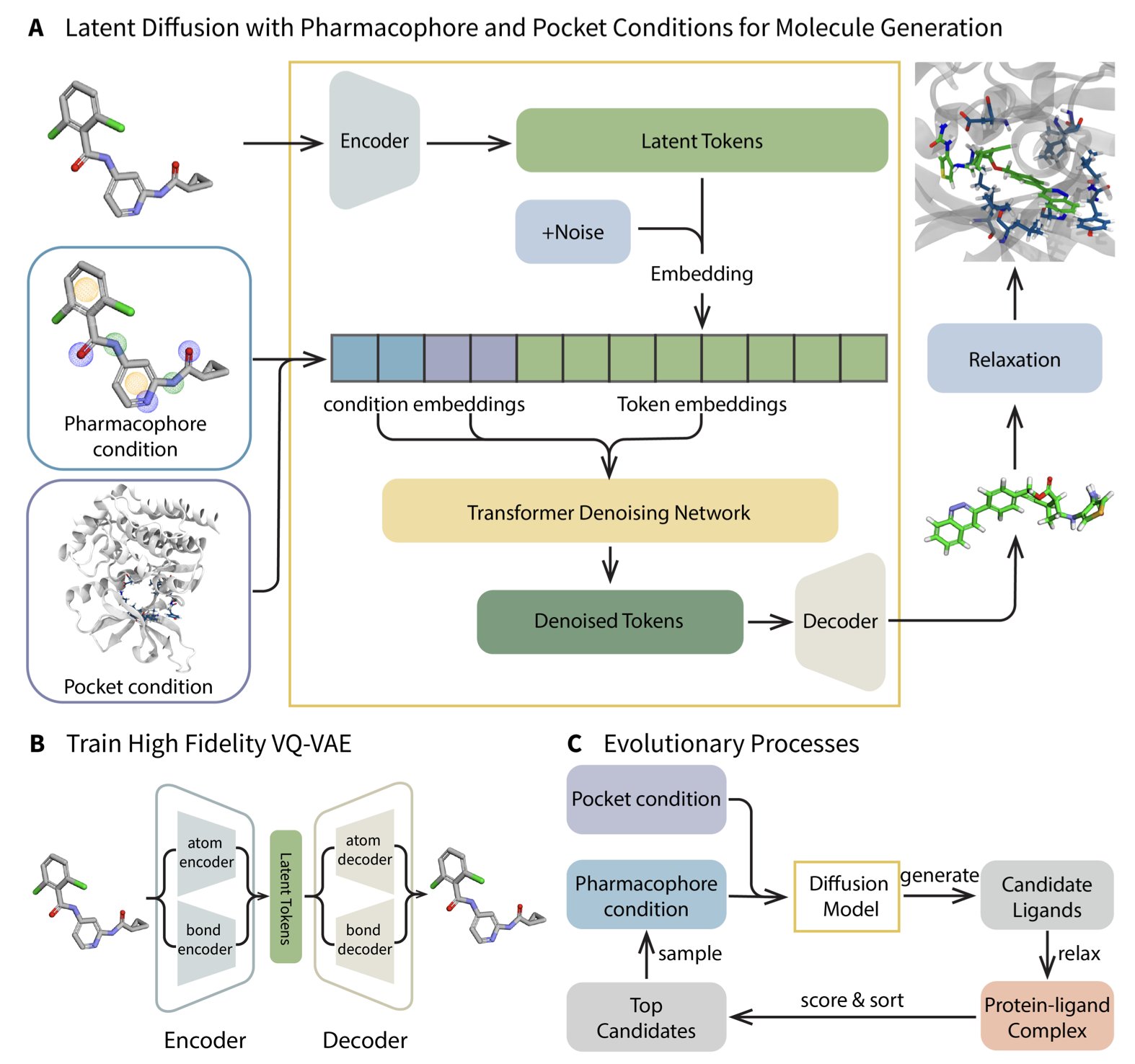
Frontiers in AIDD: From Water Molecules in Docking to the Language of Chemists
AI Drug Discovery
Molecular Docking
Computational Chemistry
Explainable AI
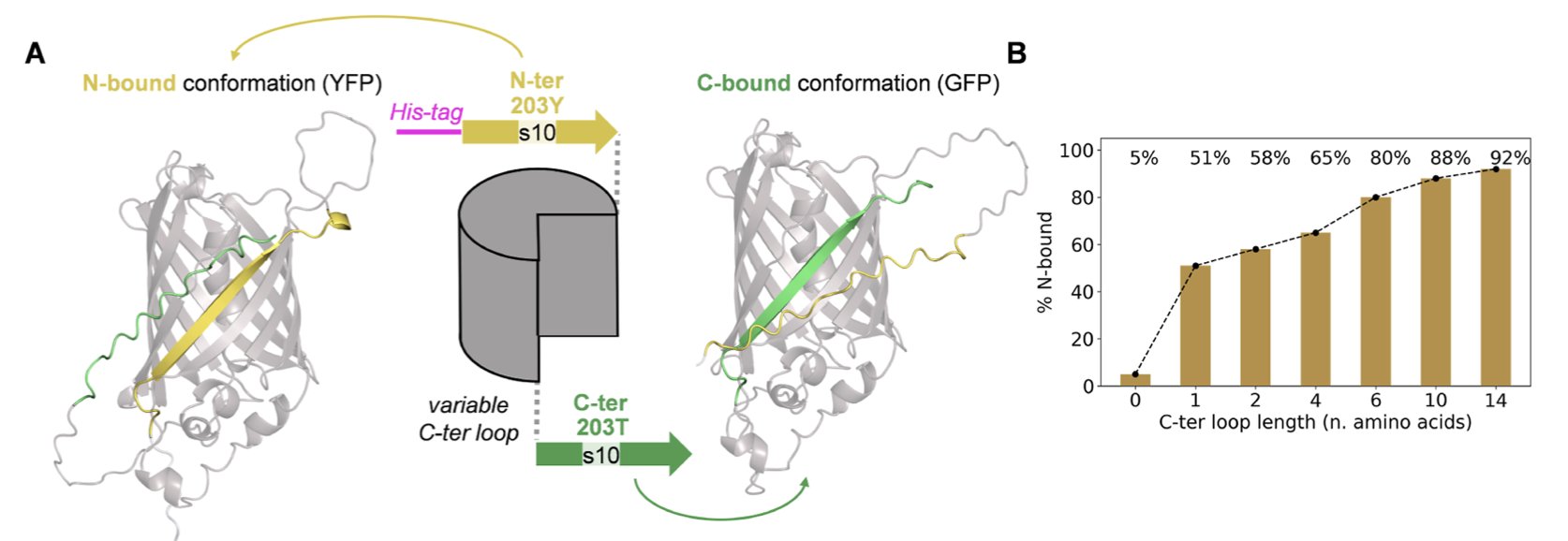
From Molecular Language and Virtual Labs to AlphaFold3’s Stumble
AI Drug Discovery
Large Language Models
Protein Engineering
Research Tools
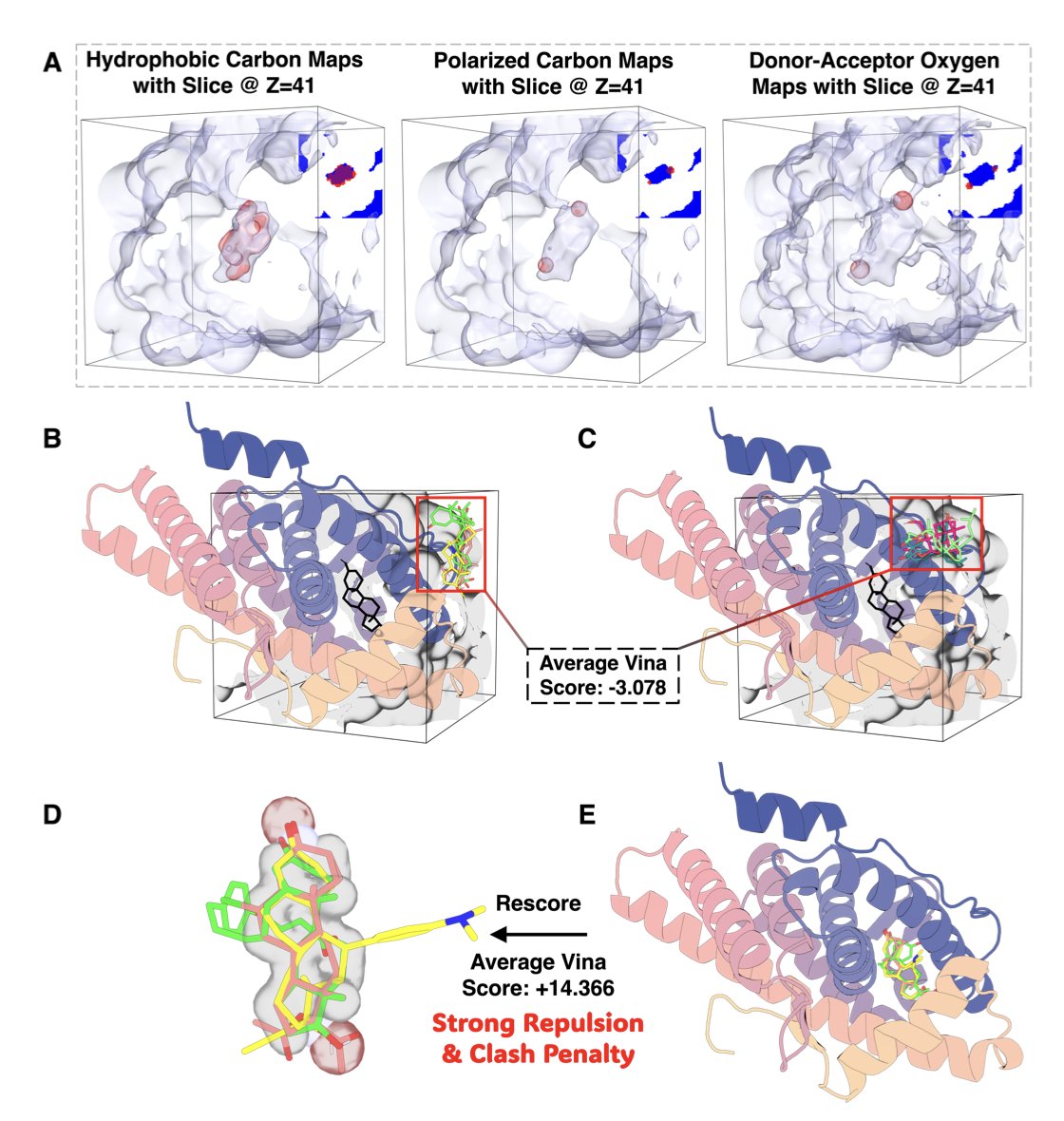
GPU-Accelerated Virtual Screening, AlphaFold3 for Preclinical Research, and an AI Force Field for Classical Simulations
AI Drug Discovery
Virtual Screening
Protein Structure Prediction
Molecular Dynamics
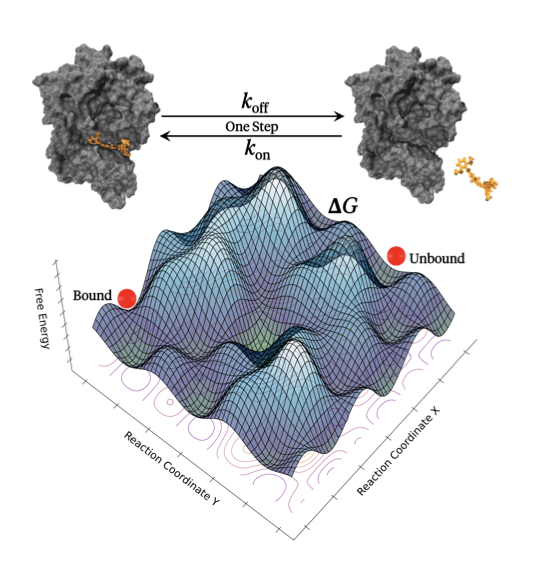
From Topological Vision and Dynamics Prediction to a Corporate AI Architecture
AI Drug Discovery
Computational Chemistry
Graph Neural Networks
Molecular Dynamics
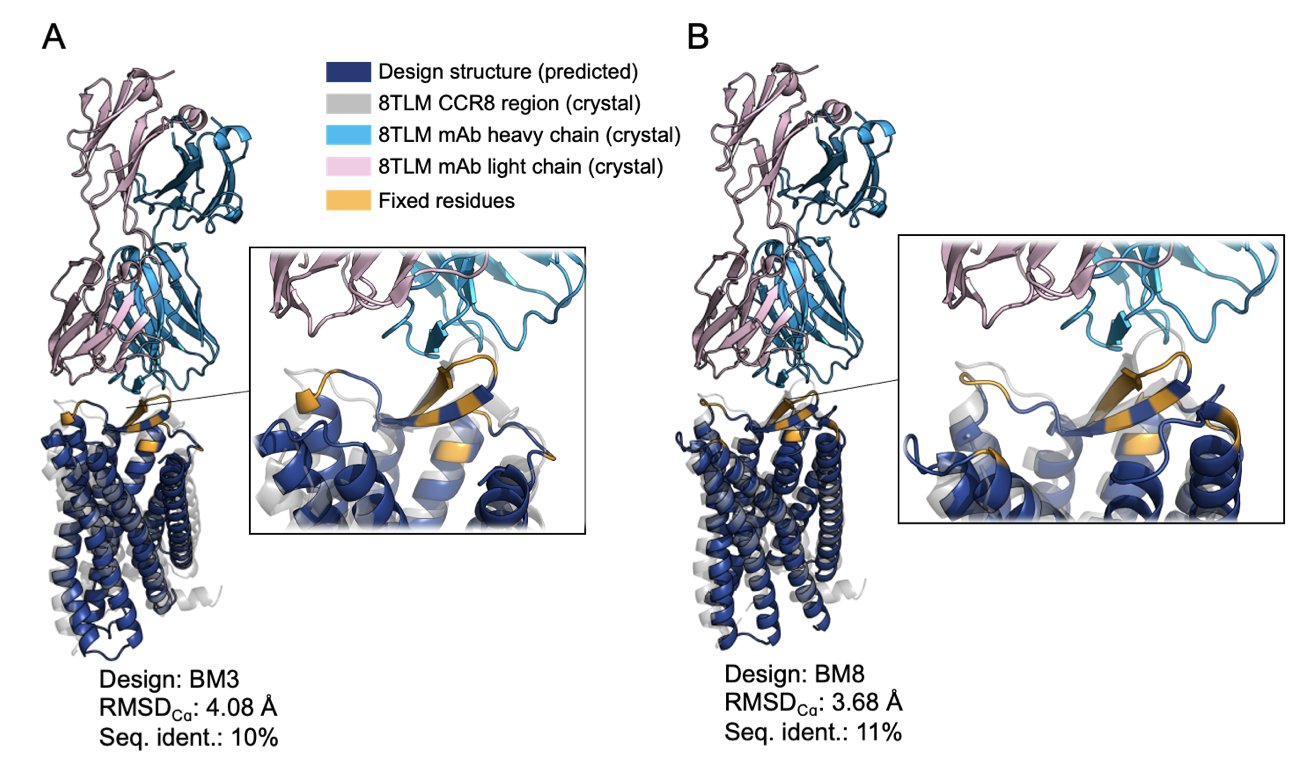
The Frontier of AI Drug Discovery: Soluble GPCRs, Explainable GNNs, and Precise Molecular Generation
AI Drug Discovery
Protein Engineering
Explainable AI
Molecular Generation
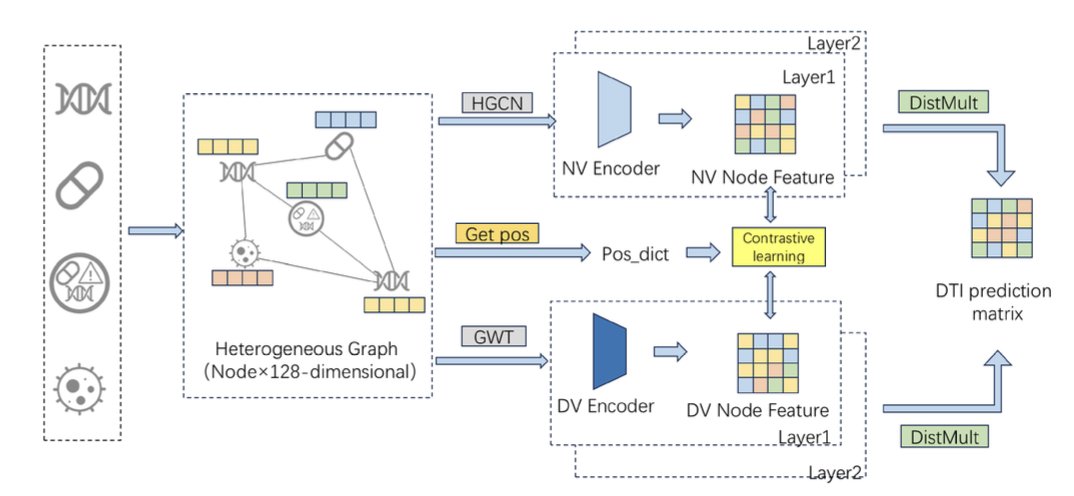
Three Papers in AI Drug Discovery: Liver Injury, Target Prediction, and ADME
AI Drug Discovery
Graph Neural Networks
Computational Chemistry
ADME Prediction
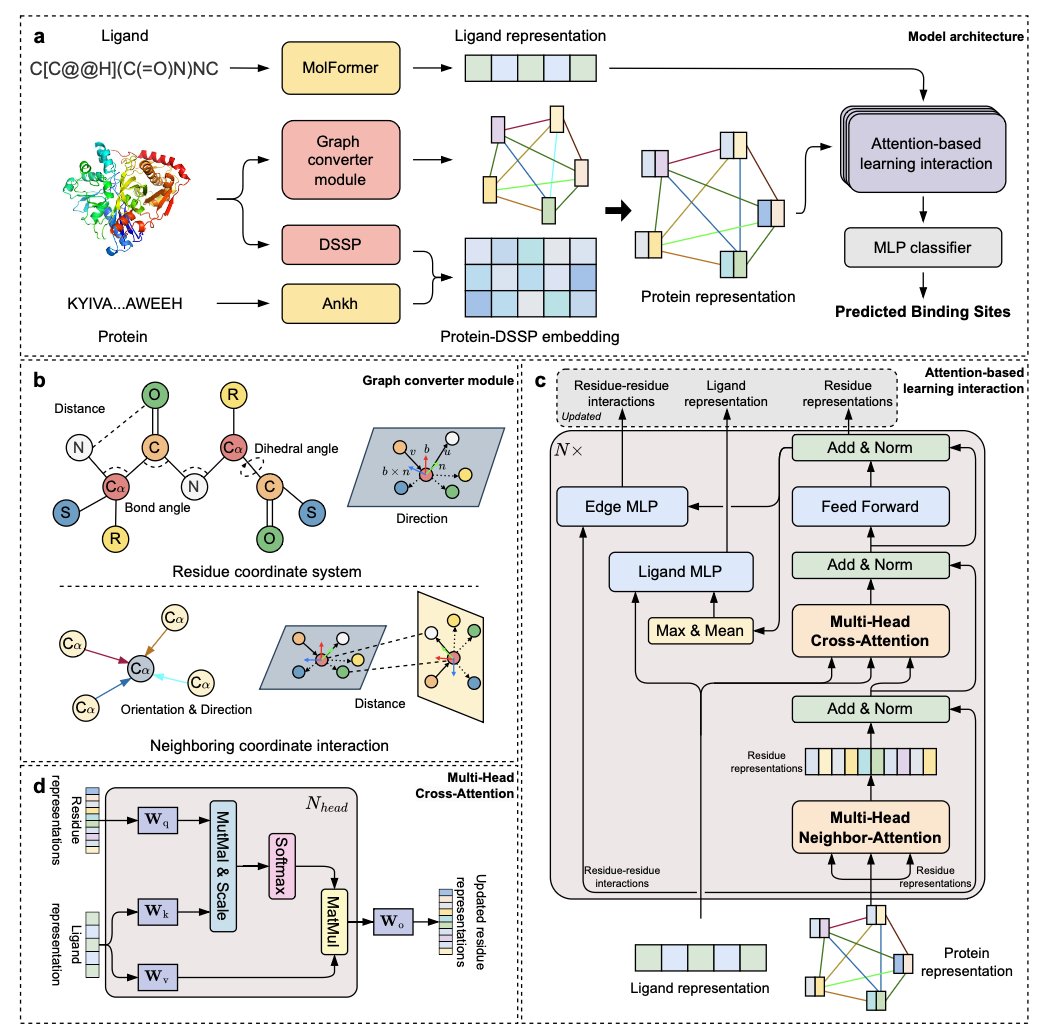
Three New AI Tools for Medicinal Chemistry: GP-MOBO, LABind, and B3clf
Multi-Objective Bayesian Optimization
Tanimoto Kernel
Cross-Attention
Resampling Techniques
Blood-Brain Barrier Prediction
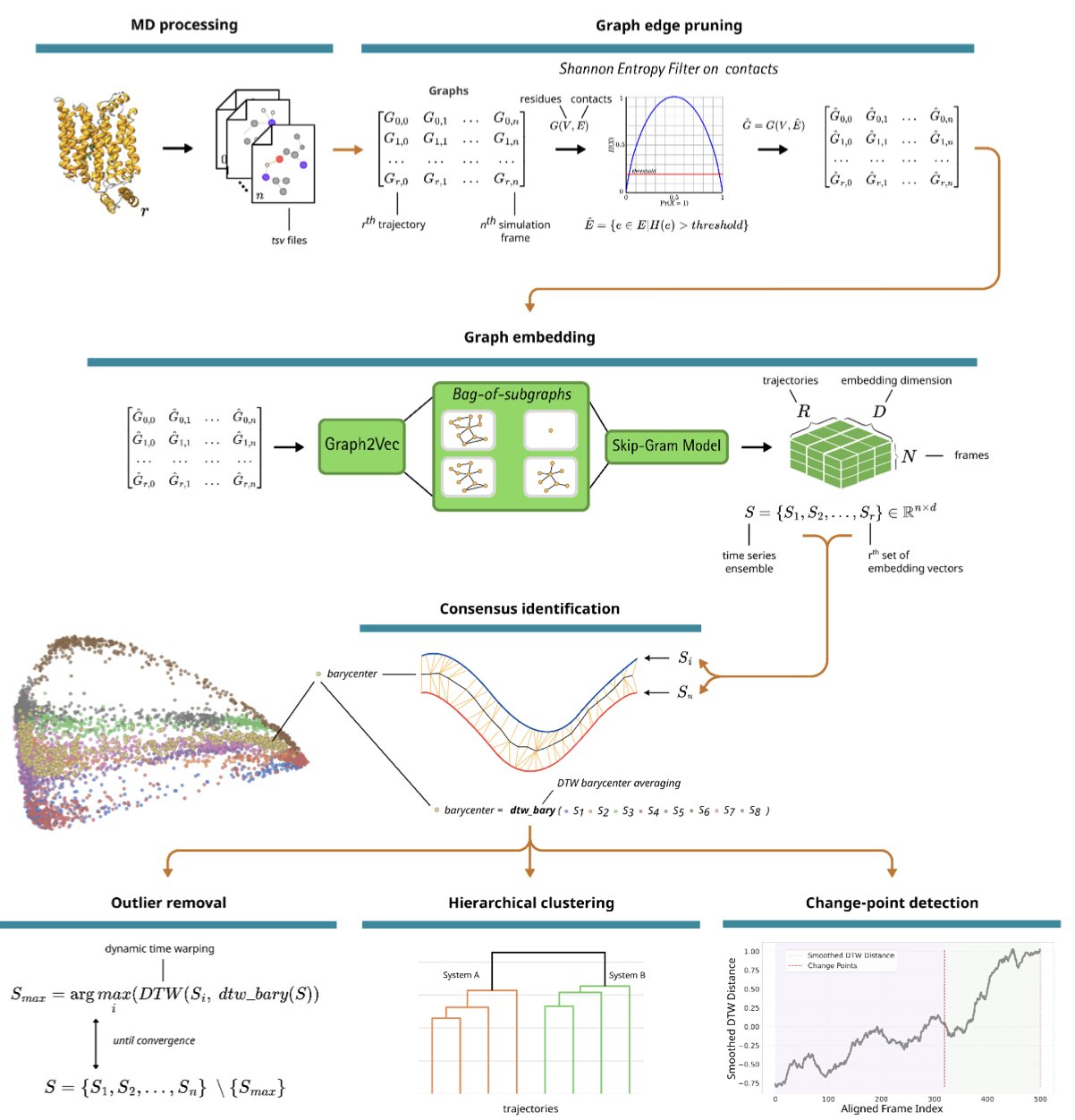
Automated agents, multi-ancestry target discovery, and a new way to look at molecular dynamics
AI Drug Discovery
AI Agents
Computational Biology
Molecular Dynamics
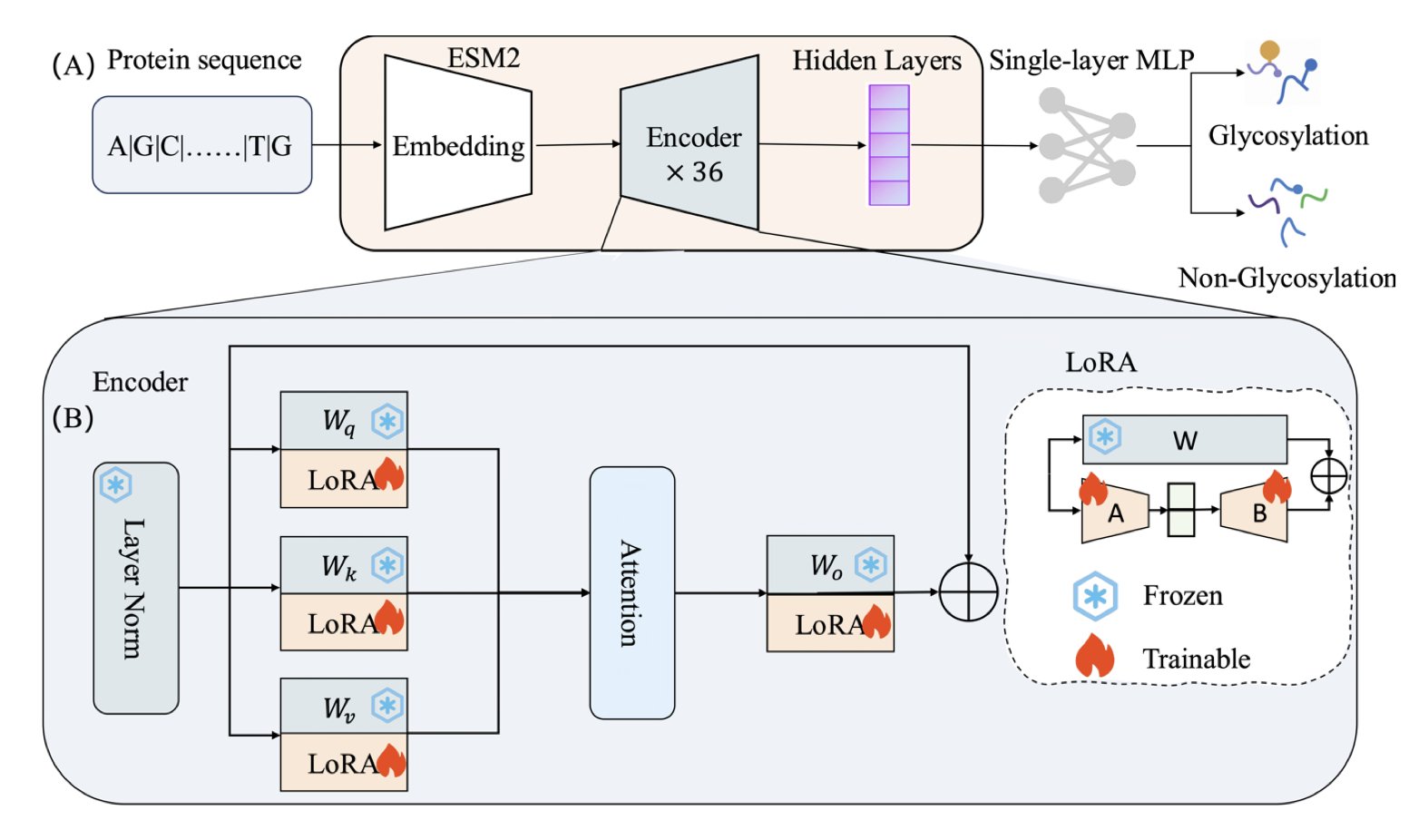
Large Language Models’ Blind Spots, Lightweight Fine-Tuning, and Designing Antibiotics from Scratch
AI Drug Discovery
Large Language Models
Generative AI
Protein Engineering
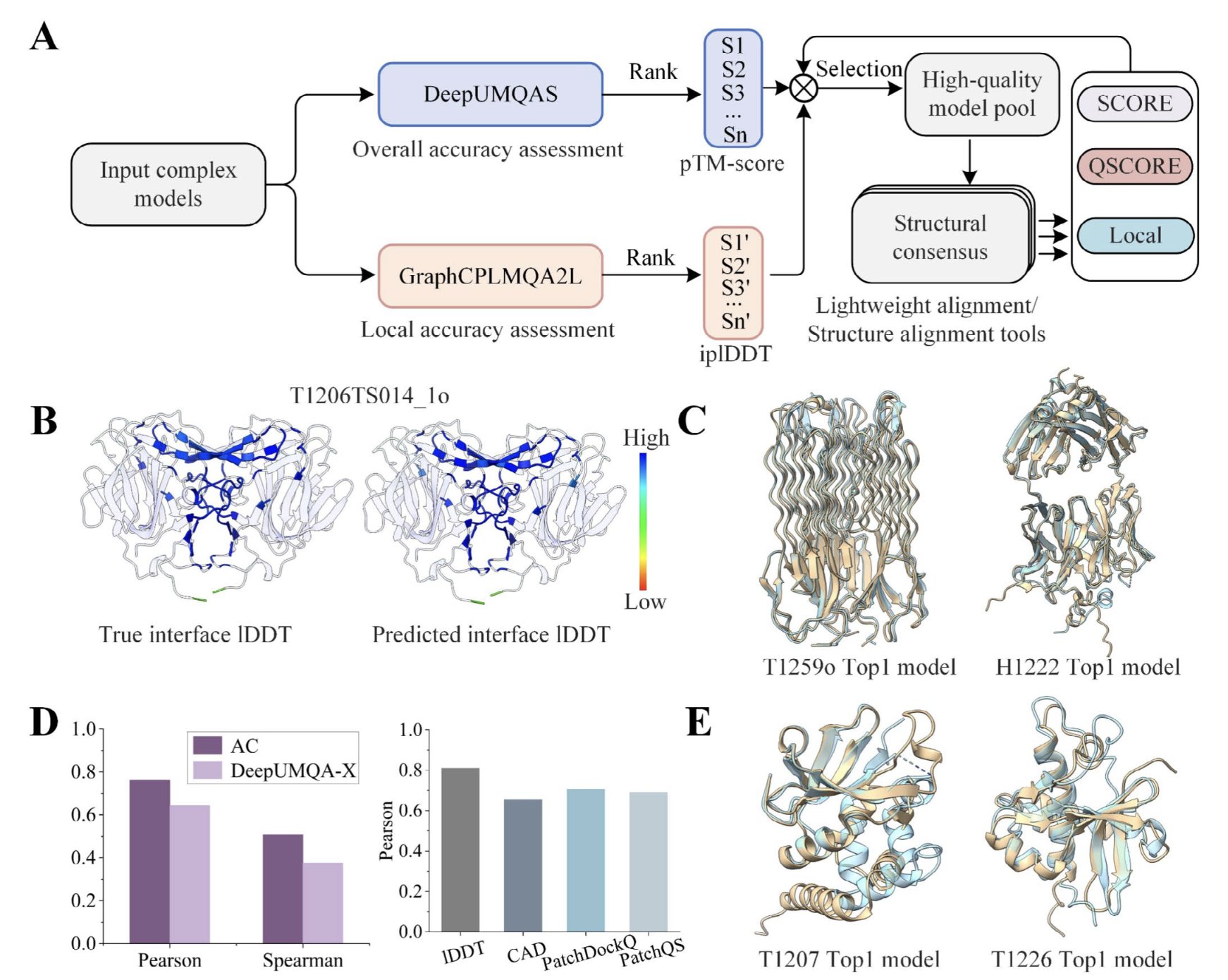
From Structure Selection and Virtual Docking to Small-Data Molecule Generation
AI Drug Discovery
Protein Structure Prediction
Virtual Screening
Molecule Generation
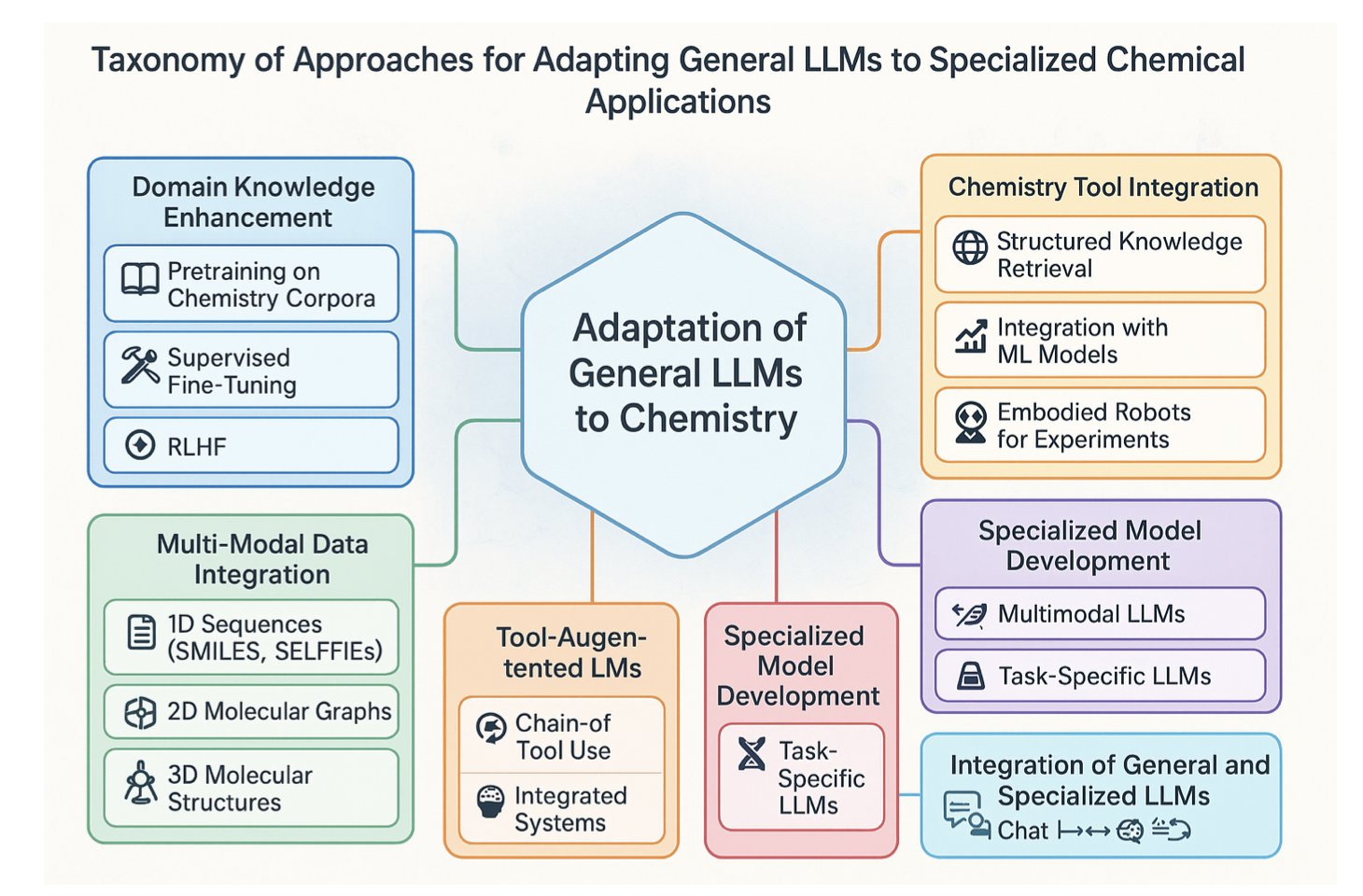
Autonomous Synthesis, Open-Source Structure Prediction, and a 69-Billion-Molecule Screen
AI Drug Discovery
Autonomous Synthesis
Protein Structure Prediction
Virtual Screening
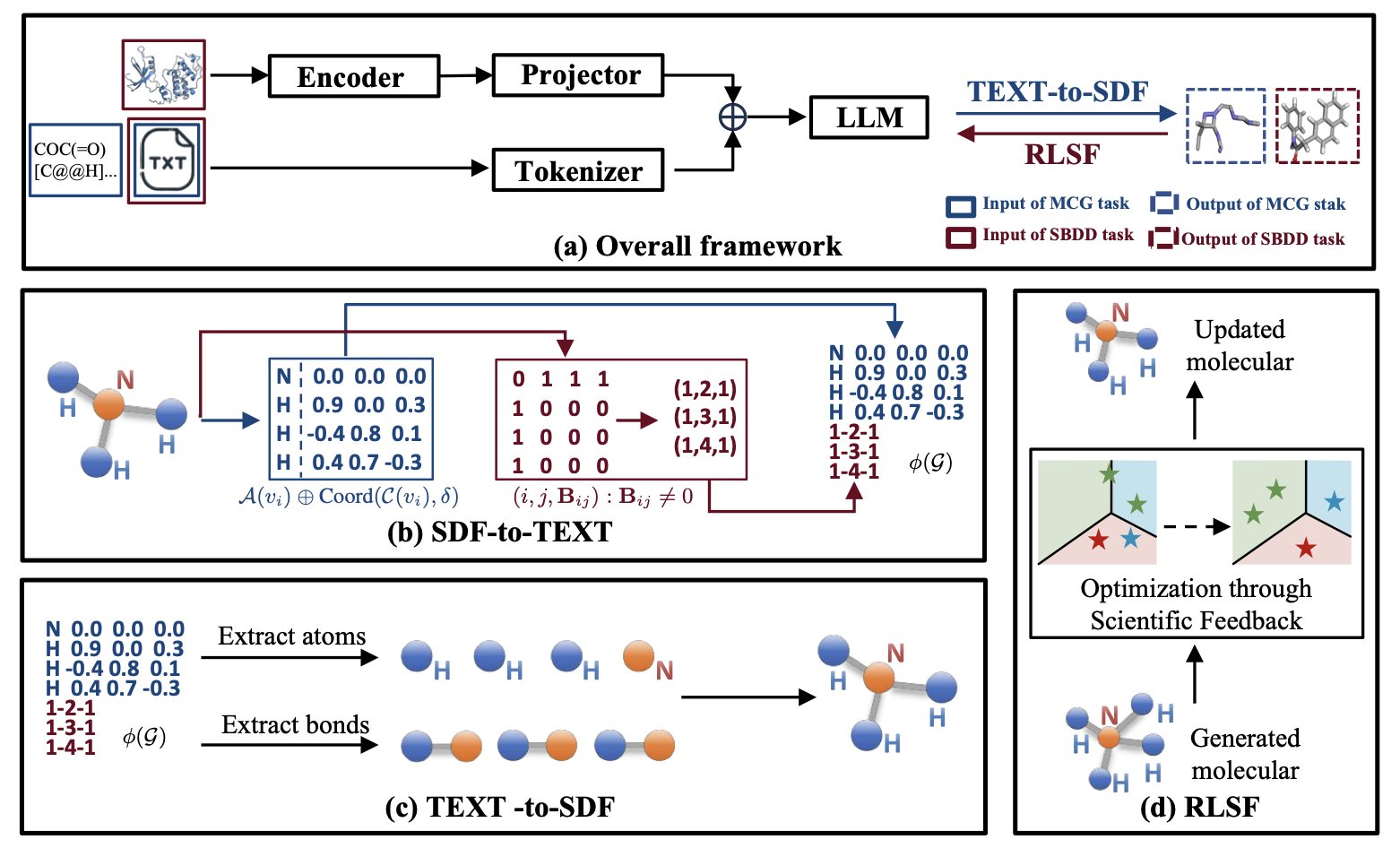
Interactive Genomics, 3D Molecular LLMs, and High-Efficiency Virtual Screening
AI Drug Discovery
Large Language Models
Virtual Screening
Computational Chemistry
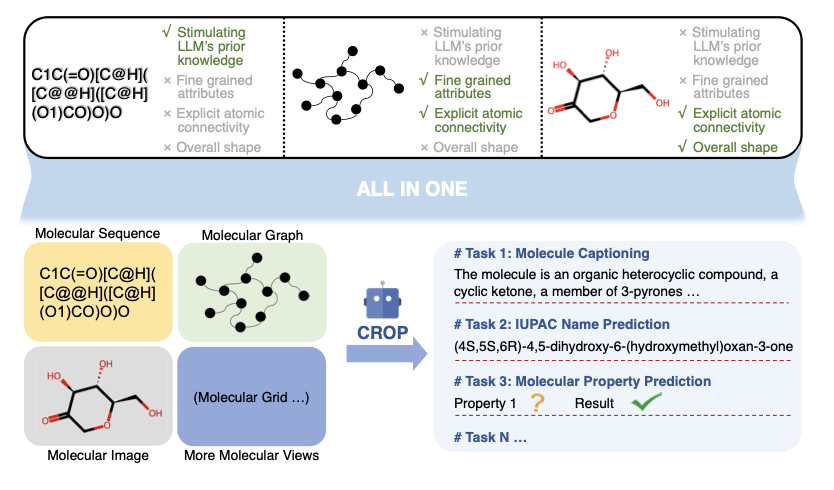
3D Generation, Data Ratios, and a Reality Check for AlphaFold 3
AI Drug Discovery
Computational Chemistry
Large Language Models
Protein Structure Prediction
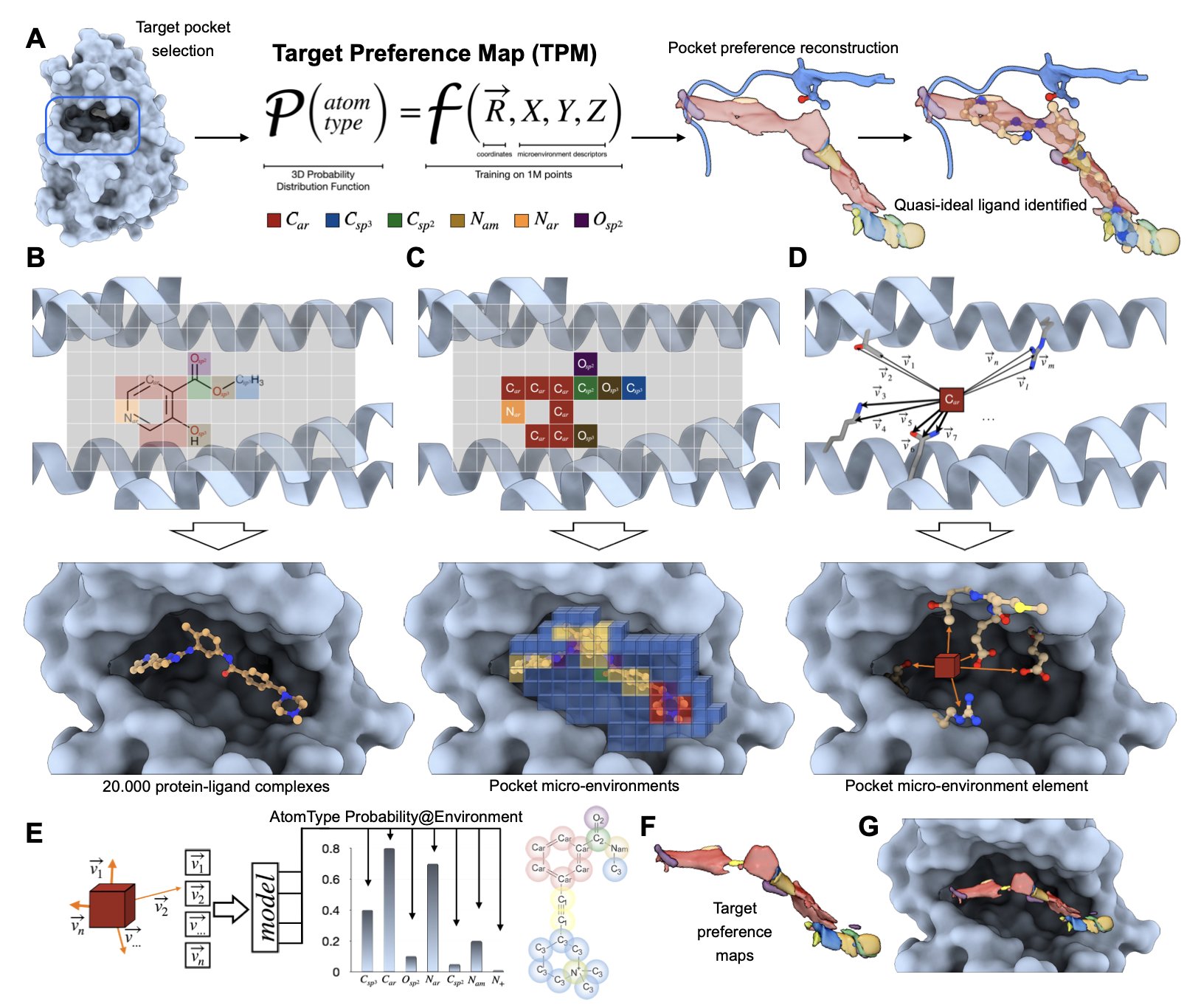
Automated Virtual Cells, Target Preference Maps, and Modeling Solvent Effects
AI Drug Discovery
Computational Biology
Drug Design
Molecular Docking
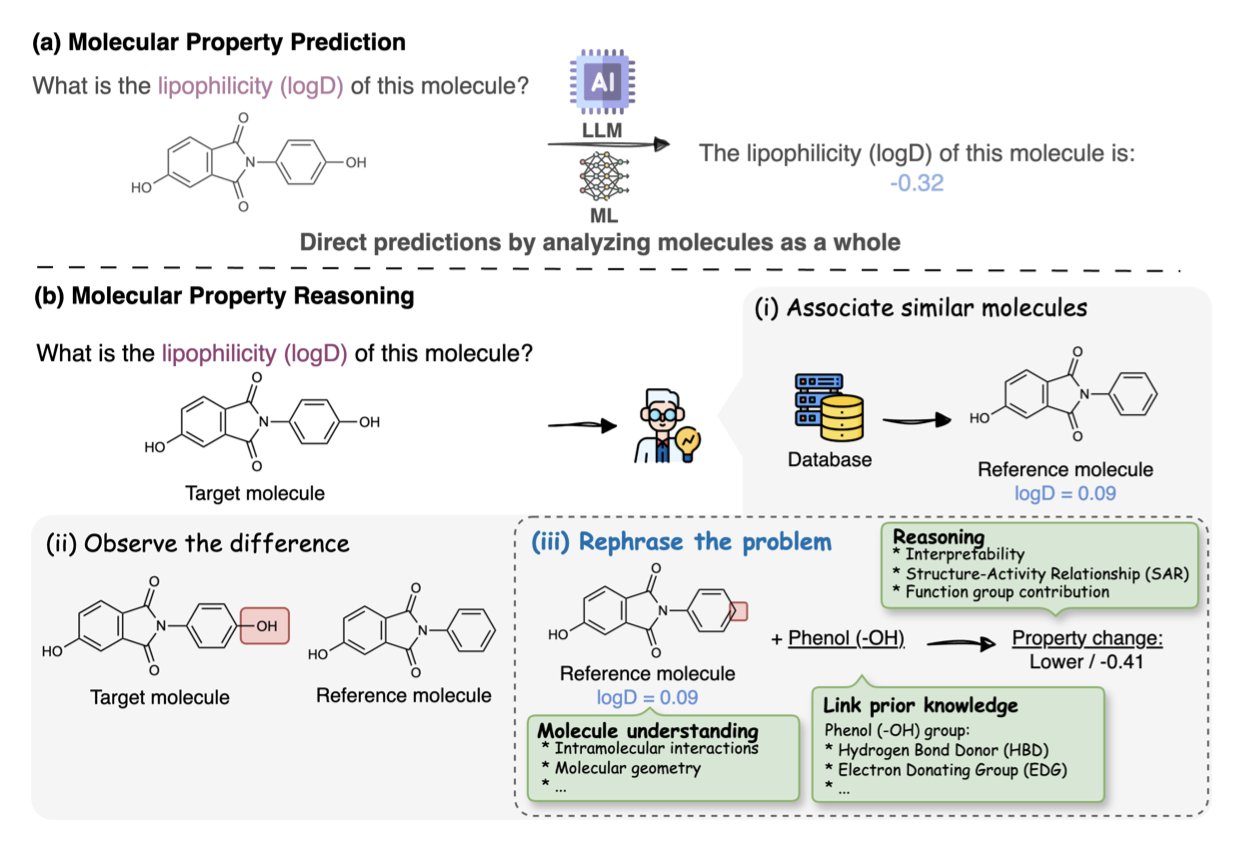
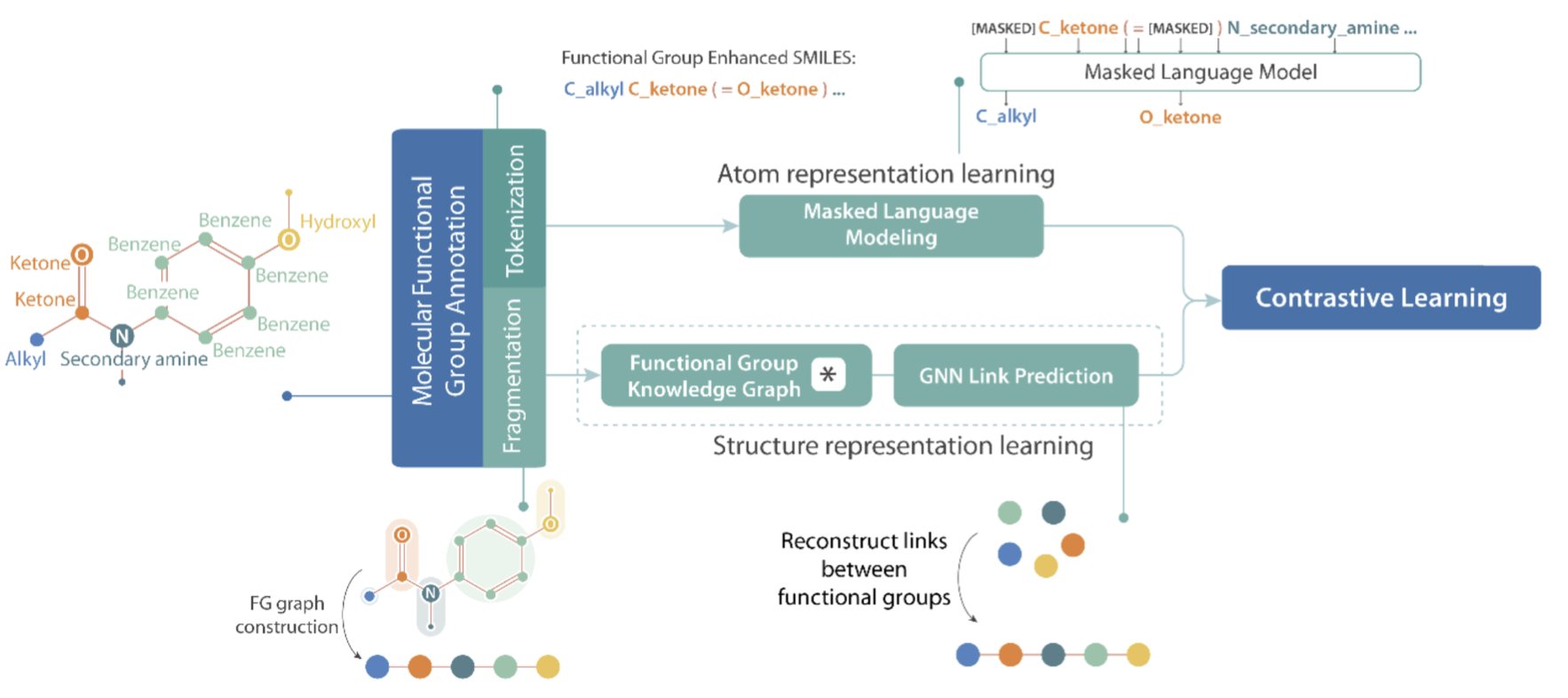
Genomic Embeddings, Functional Group Reasoning, and an All-in-One Drug Discovery Platform
AI Drug Discovery
Genomics
Cheminformatics
Explainable AI
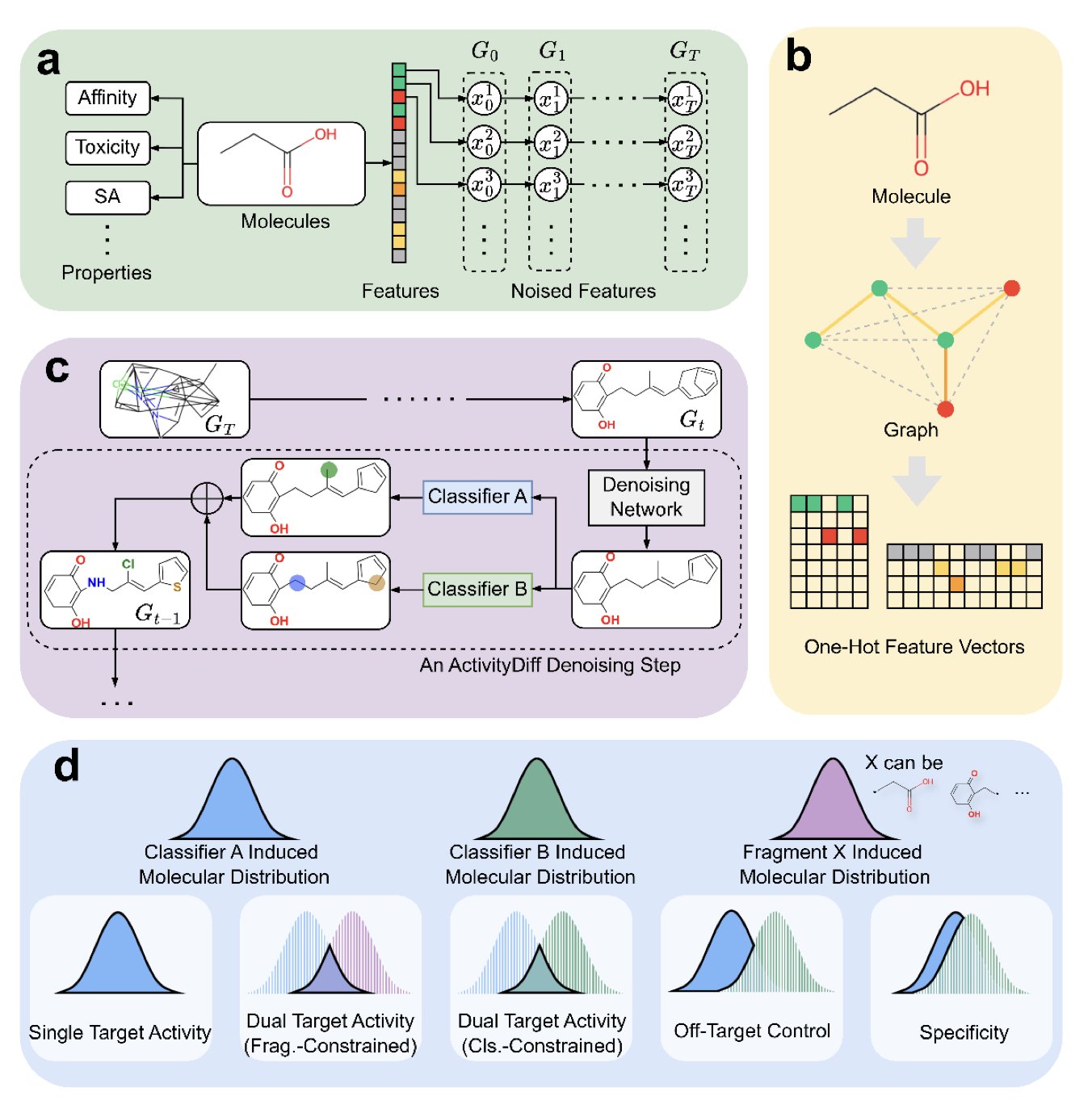
Precise Molecular Control, Epilepsy Drug Prediction, and the Real-World Challenges of Deep Learning
AI Drug Discovery
Molecular Generation
Precision Medicine
Cheminformatics
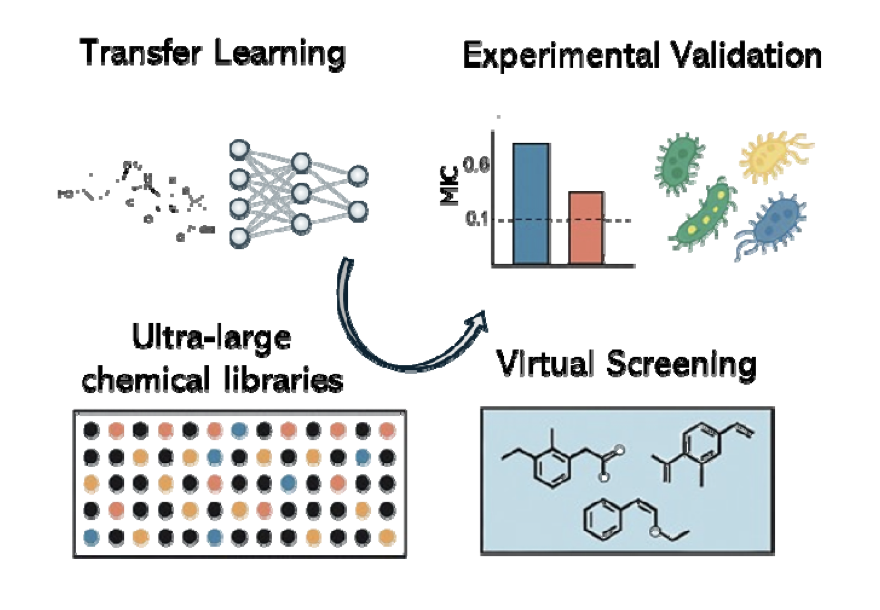
Explaining Activity Cliffs, Discovering Antibiotics with Transfer Learning, and Tackling Data Imbalance
AI Drug Discovery
Explainable AI
Transfer Learning
Cheminformatics
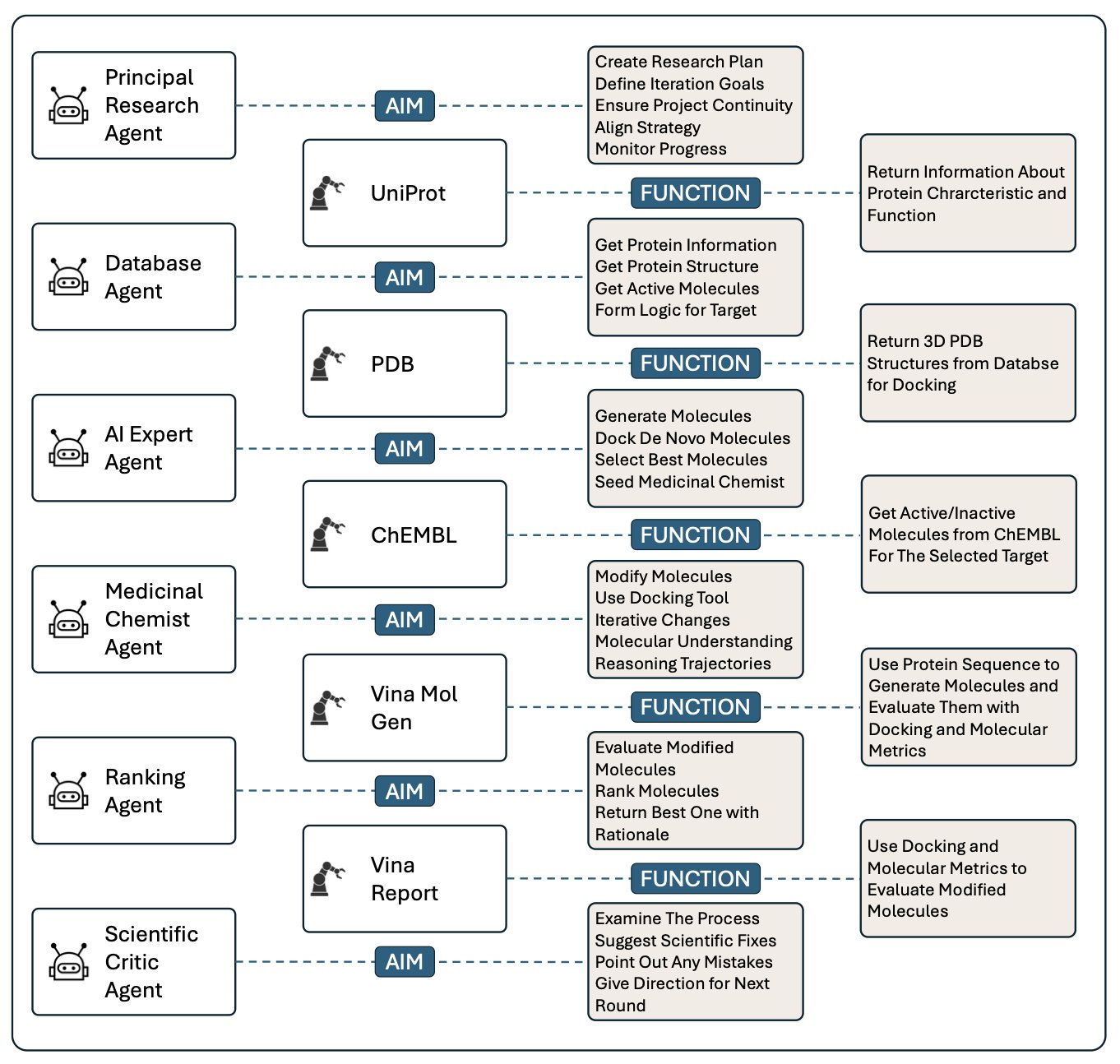
Decoding GPCR Mutations, Explainable Predictions, and the Challenges of AI Teamwork
AI Drug Discovery
GPCR
Explainable AI
Multi-Agent Systems
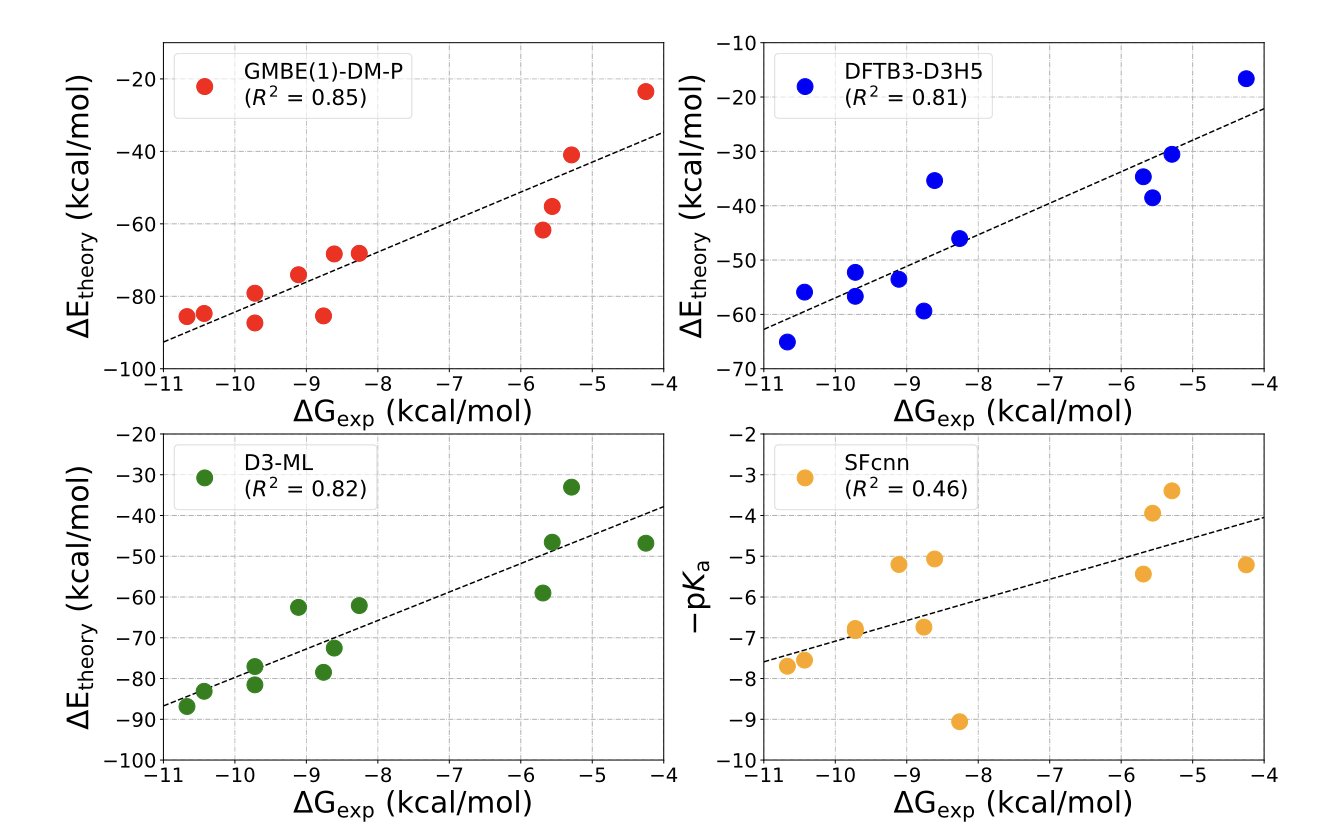
Speeding Up Molecular Simulations, Cracking Solubility, and Ranking Binding Affinity with Precision
Computational Chemistry
Molecular Dynamics
Machine Learning
Drug Screening
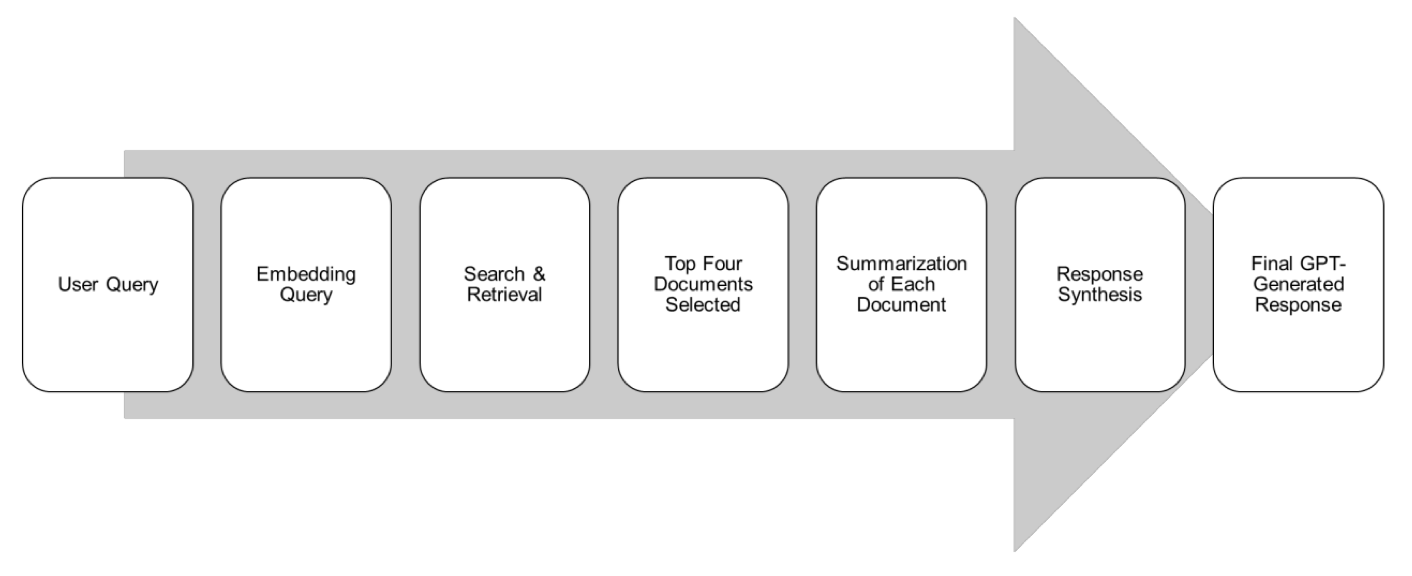
From Protein Puzzles to Topological Networks and RAG-Powered Pharmacy
AI Drug Discovery
Computational Chemistry
Large Language Models
Cheminformatics
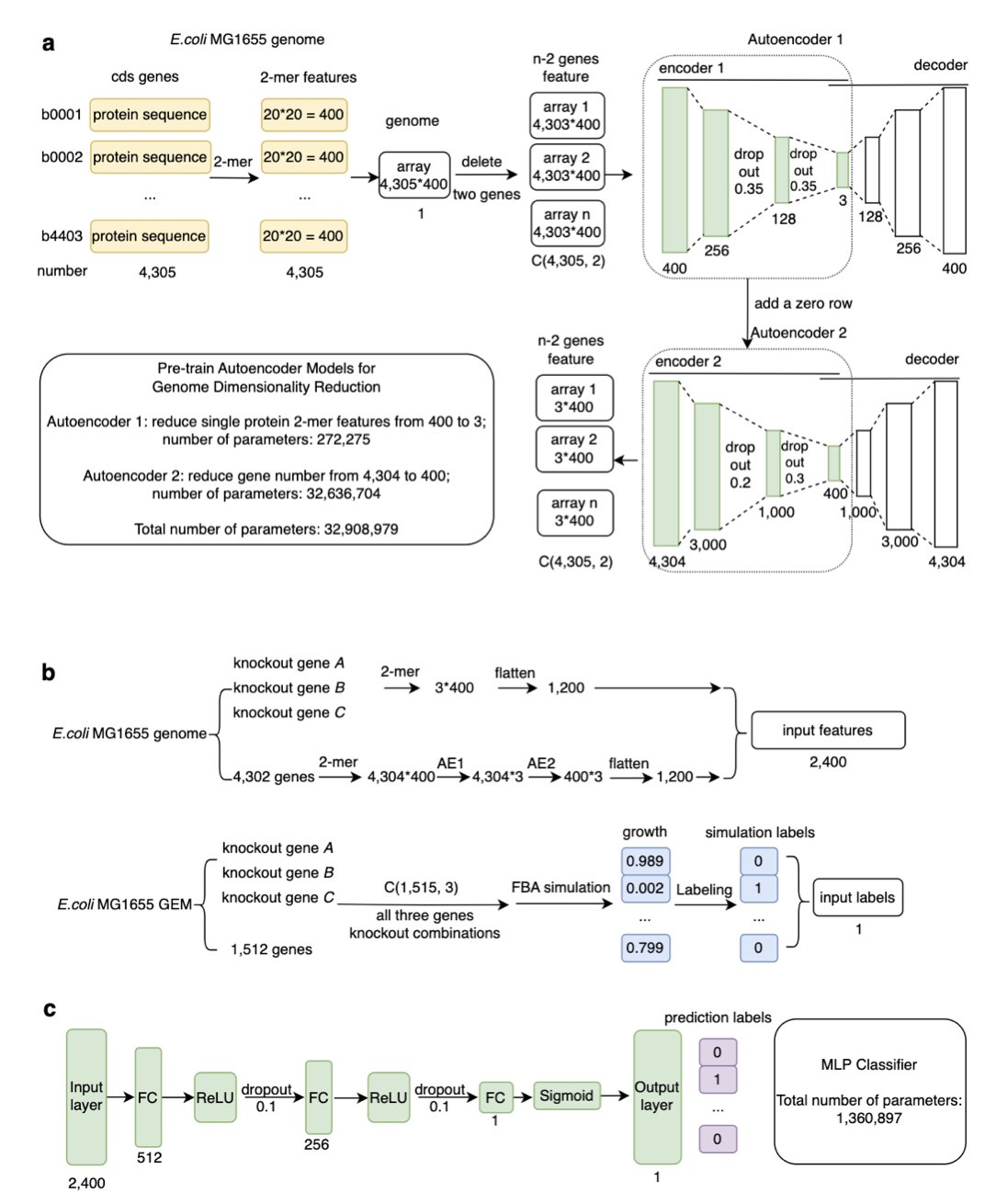
From 3D Molecular Sculpting to a Virtual Human Simulator
AI Drug Discovery
Diffusion Models
Computational Biology
Large Language Models
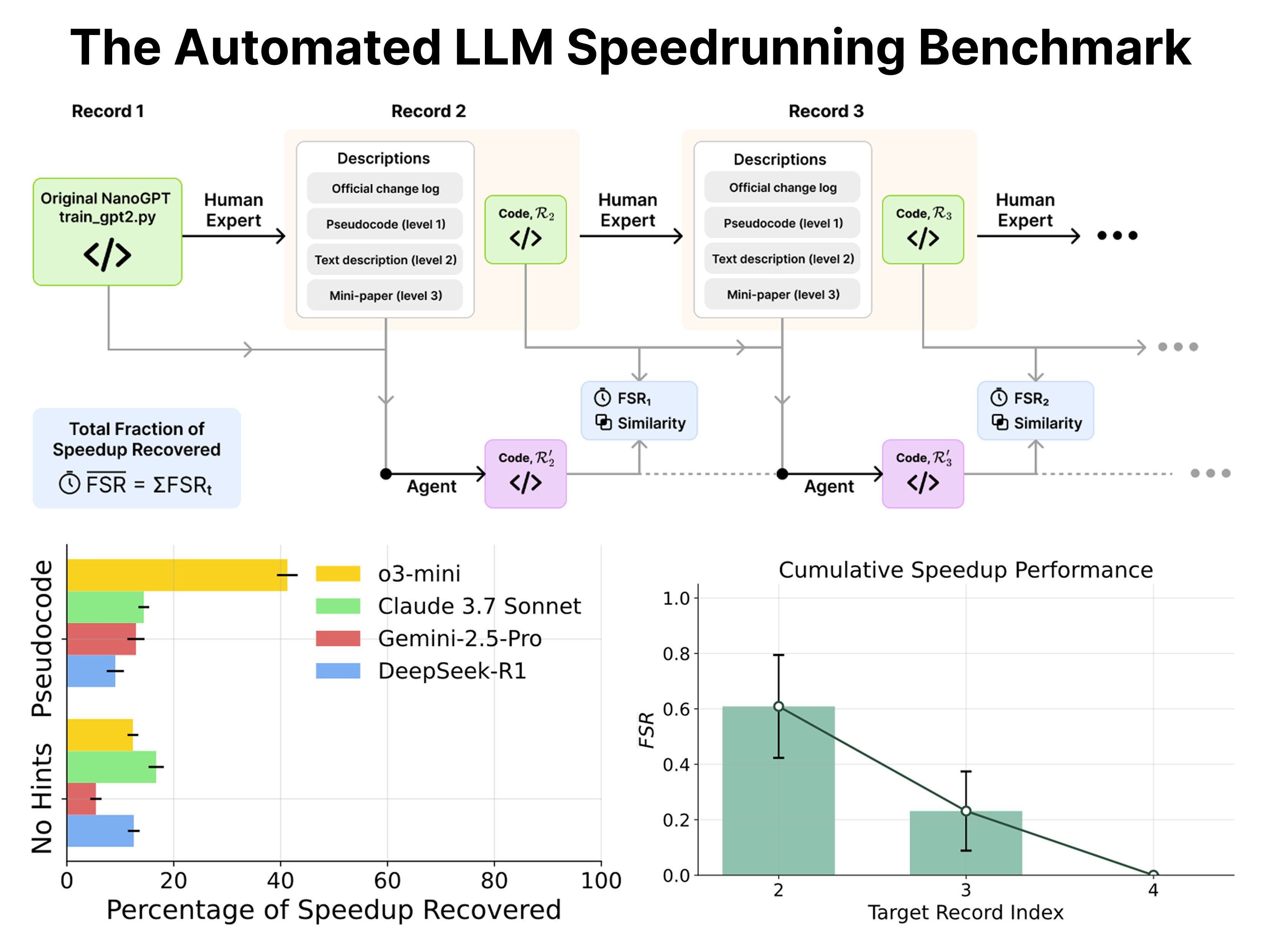
Frontiers in AI Research: From Code Optimization and Literature Reviews to Molecular Dynamics Data Compression
AI in Science
Large Language Models
Computational Chemistry
Research Tools
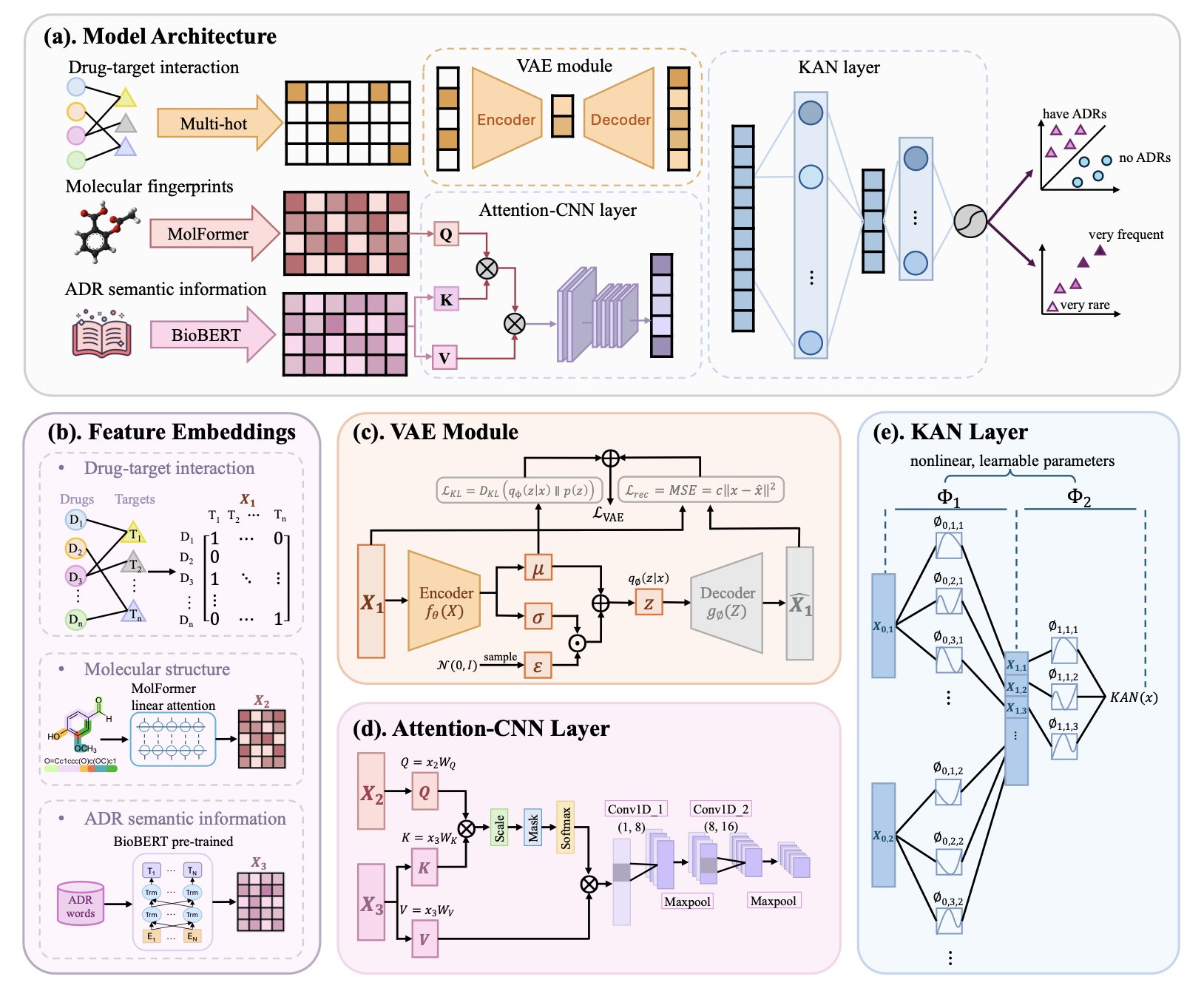
Frontiers in AIDD: From KANs for Side Effect Prediction to Automated Gene Analysis
AI Drug Discovery
Computational Chemistry
Explainable AI
Multi-omics
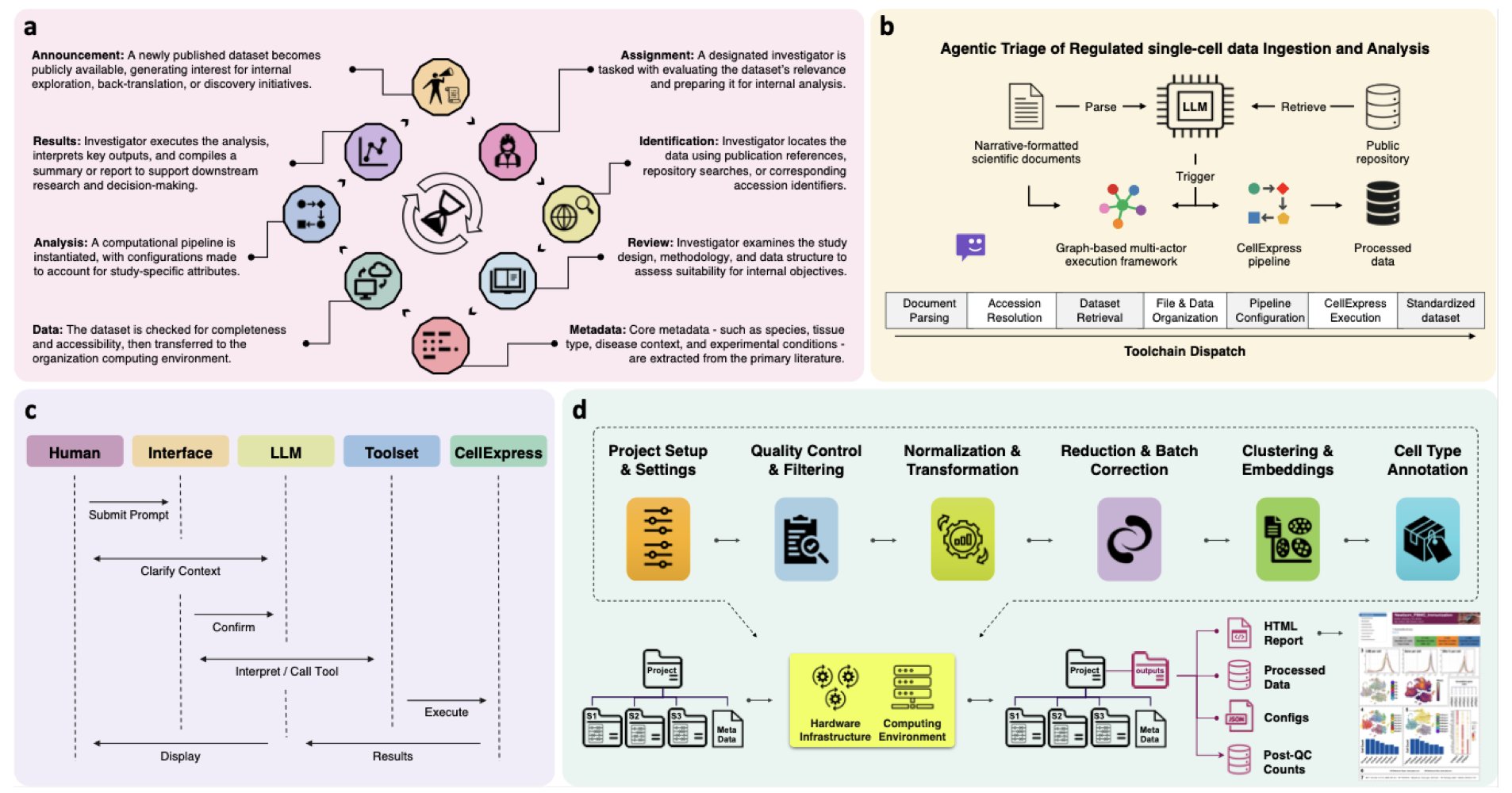
Three New AI Tools: Precise Metabolism Prediction, Multiscale Bio-Networks, and a Single-Cell Analysis Agent
AI Drug Discovery
Computational Chemistry
Bioinformatics
Single-Cell Analysis
No matching items