Table of Contents
- By replacing parts of a molecule with chemically sound fragments, a new method makes AI’s predictive explanations useful and actionable for medicinal chemists.
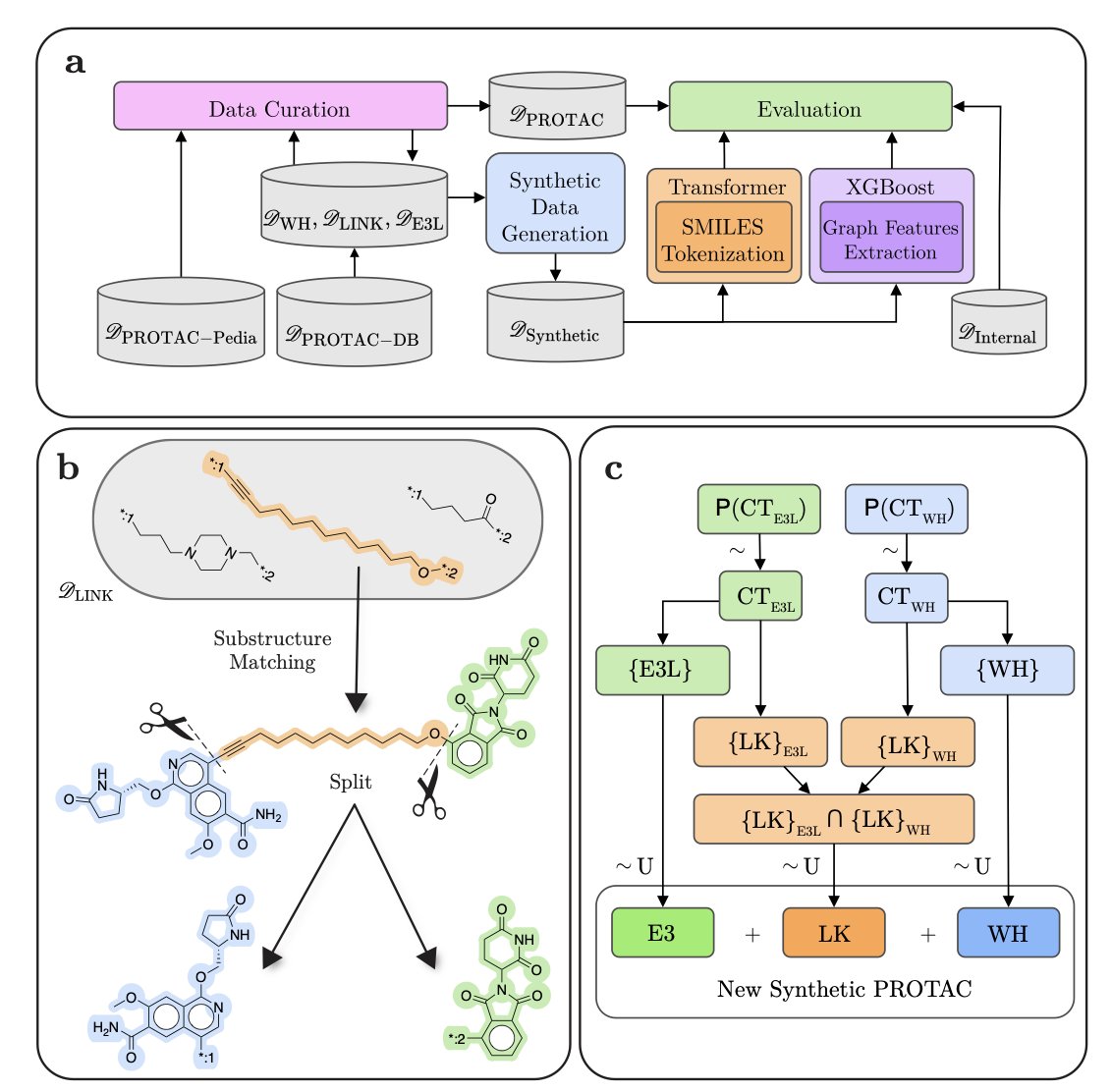
- PROTAC-Splitter uses a dual-model hybrid strategy to reliably and automatically deconstruct PROTAC molecules, paving the way for large-scale data analysis and molecular design.
- The breakthrough of AI in chemistry is a slow evolution where new and old tools coexist, with the core change being a shift from hand-crafting features to letting AI learn on its own.
1. AI Explanations Finally Learn to Do Chemistry
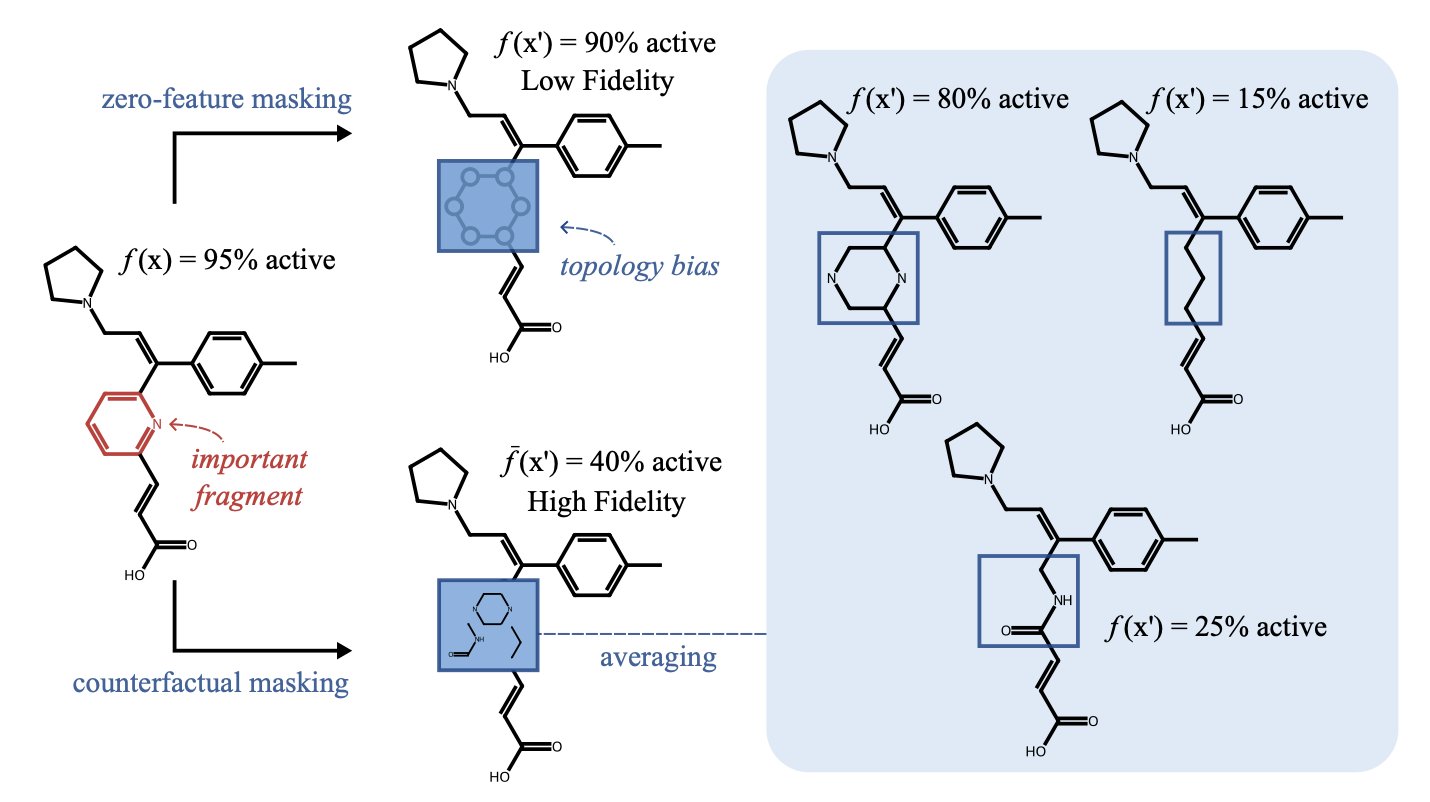
Past AI explanation methods would delete atoms to judge their importance, creating molecules that don’t exist in chemistry. Their explanations were not practically useful for chemists. A new method doesn’t delete; it replaces. It swaps out a part of a molecule with a chemically sound fragment and then asks the AI for its judgment again. This process mimics how medicinal chemists actually think.
Medicinal chemists on the front lines have mixed feelings about AI models. You give an AI a molecule, and it can quickly predict its solubility, toxicity, or activity. But when you ask why, the explanation it gives is clumsy.
It uses a method called “feature ablation,” which just erases a part of the molecule. For instance, it might remove a benzene ring and then say, “After removing the benzene ring, the solubility improved, so the benzene ring is bad.”
This is like an auto engineer removing the engine from a car to explain its importance, then pointing at the motionless hunk of metal and saying, “See? It doesn’t work without an engine.” This kind of explanation doesn’t help someone trying to improve the engine. A chemist can’t work with a molecular fragment that has a benzene ring just deleted from it.
Learning to Ask a Better Question
A new paper teaches AI to ask the questions chemists care about. The new method is called Counterfactual Masking.
Its thinking shifts from “What if we delete this group?” to “What if we replace this group?”
Here’s how it works:
When you want to know why a methyl group on a molecule is important, the new method doesn’t just erase it. It uses a generative AI model to come up with some chemically sound alternatives, like swapping the methyl for an ethyl group, a chlorine atom, or a hydroxyl group.
Then, it takes these newly “synthesized,” chemically real molecules and asks the predictive model: “How have the properties of these new molecules changed?”
This is exactly how medicinal chemists work in the lab. We don’t just stare at one molecule; we think, “If I swap this methyl for a trifluoromethyl, the lipophilicity will change. Will it create new interactions with the amino acids in the binding pocket?”
This new method aligns the language of AI explanations with the language of chemical design.
An Actionable AI Explanation
AI’s explanations become actionable.
When the AI suggests that swapping group A for group B will increase predicted activity, you get a verifiable and chemically sound next step. It provides a synthetic roadmap that can be tested in the lab, not just a vague discussion.
The researchers validated the method on multiple datasets. They found that the counterfactual molecules it generated were more chemically reasonable and had higher synthetic accessibility.
An AI that can perfectly predict everything is still a long way off. This method is more computationally demanding, and the fragments proposed by the generative AI might not all be easy to synthesize.
📜Title: Enhancing Chemical Explainability Through Counter-flanking Masking
📜Paper: https://arxiv.org/abs/2508.18561
2. AI Precisely Deconstructs PROTACs, Freeing Up Medicinal Chemists